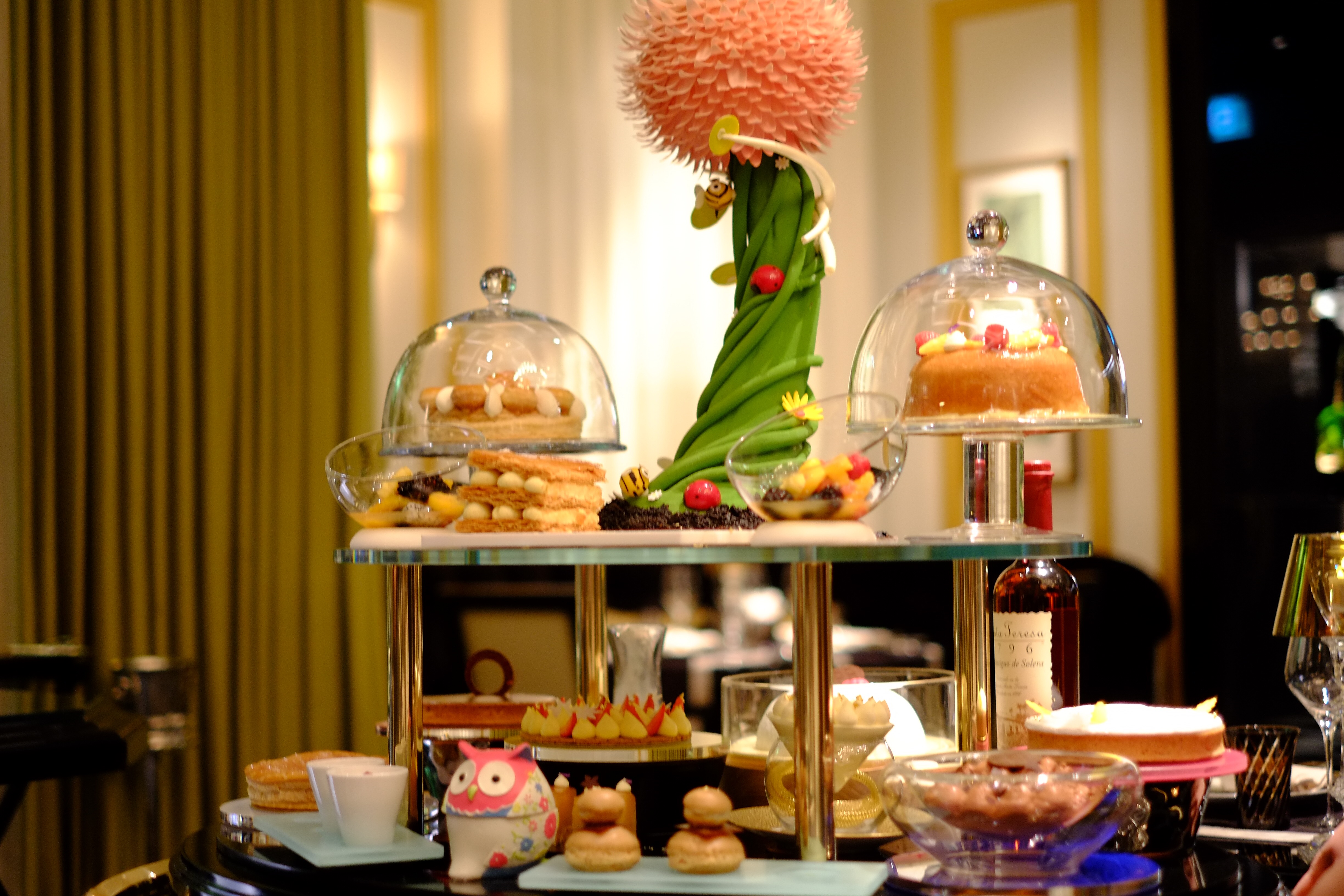
The Pigpen

Who doesn’t want to dine at a place called The Pigpen? I had high hopes but I guess once you call for a reservation on a Sunday evening and the lady on the other line says “it’s ok, you can walk in”, is a sign that not all is great in swine heaven.

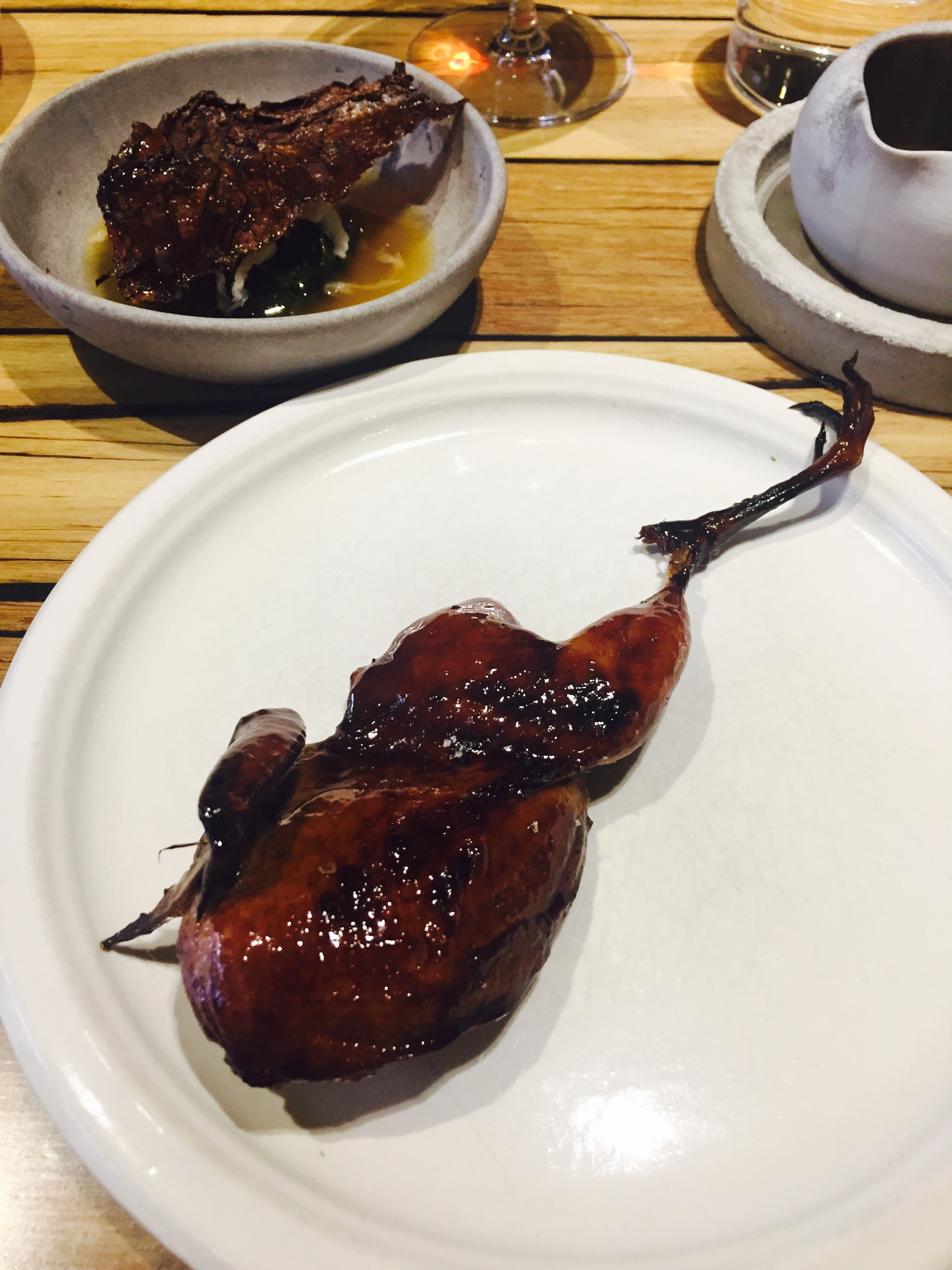
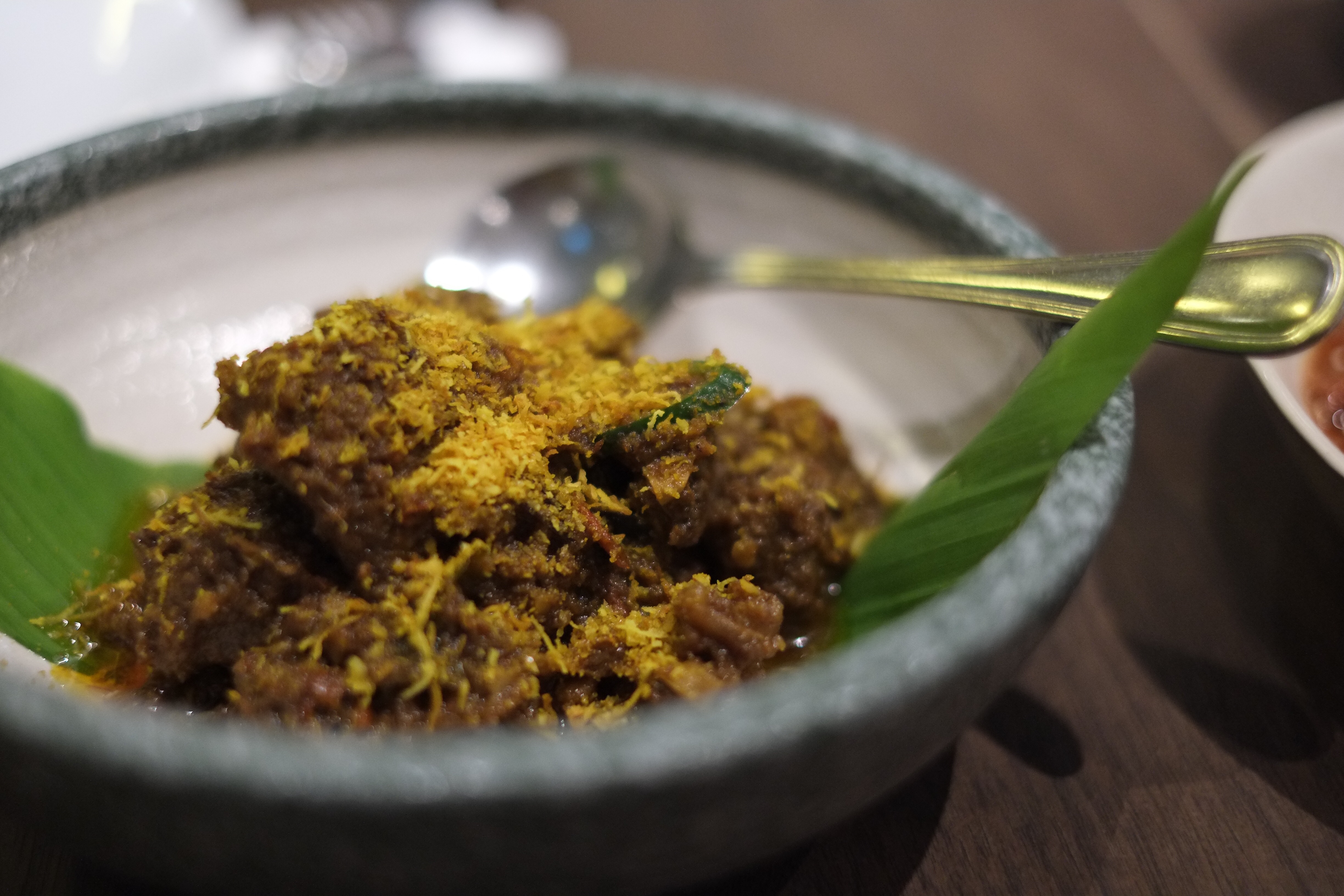
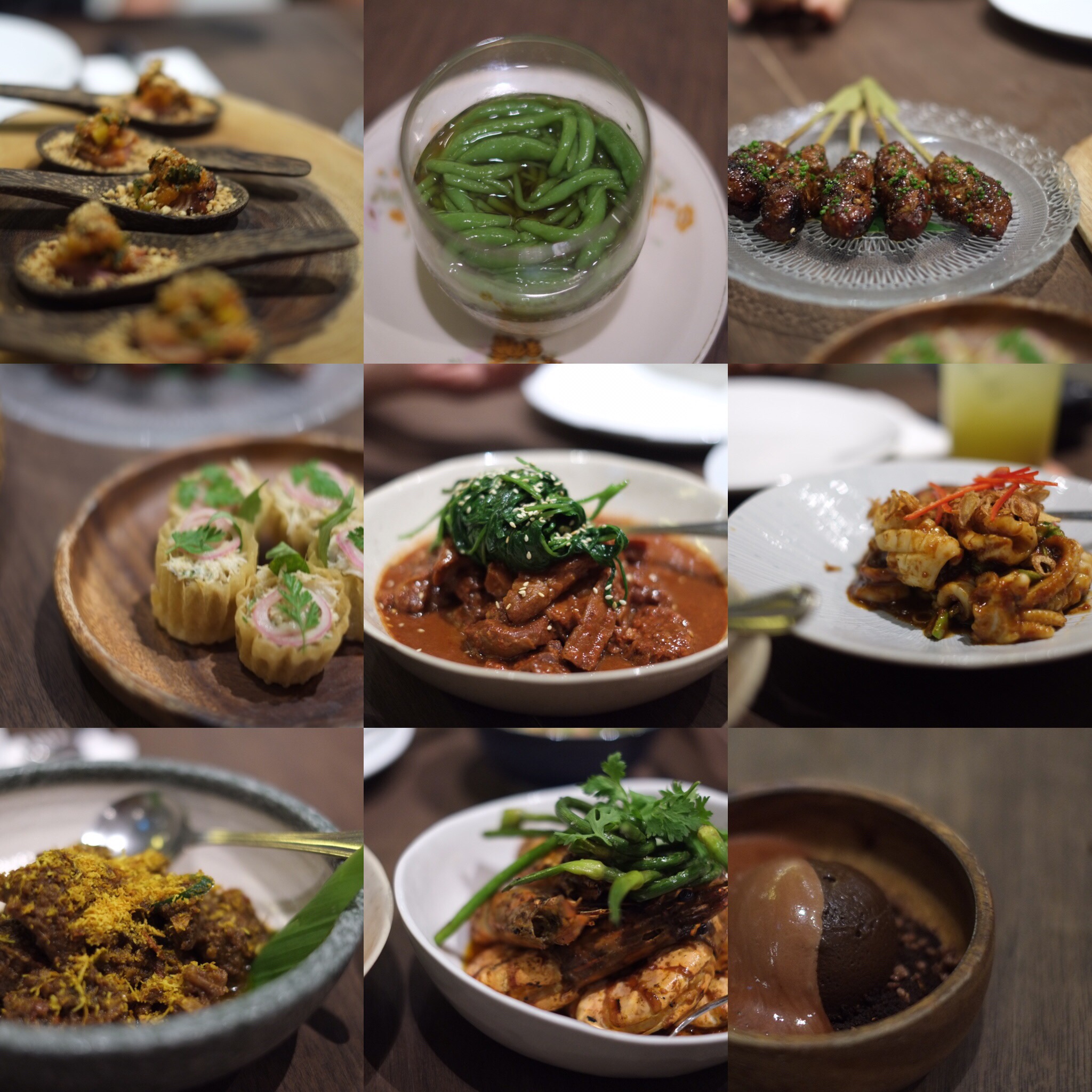
Service, earnest but lacks in knowledge of their food. I ordered what was recommended, grilled tamarind chicken.

There was the chicken, tender and nicely grilled but it ends there. It lacks body, depth and soul. And let’s not forget the salt!


Chicken porn was only skin shallow.

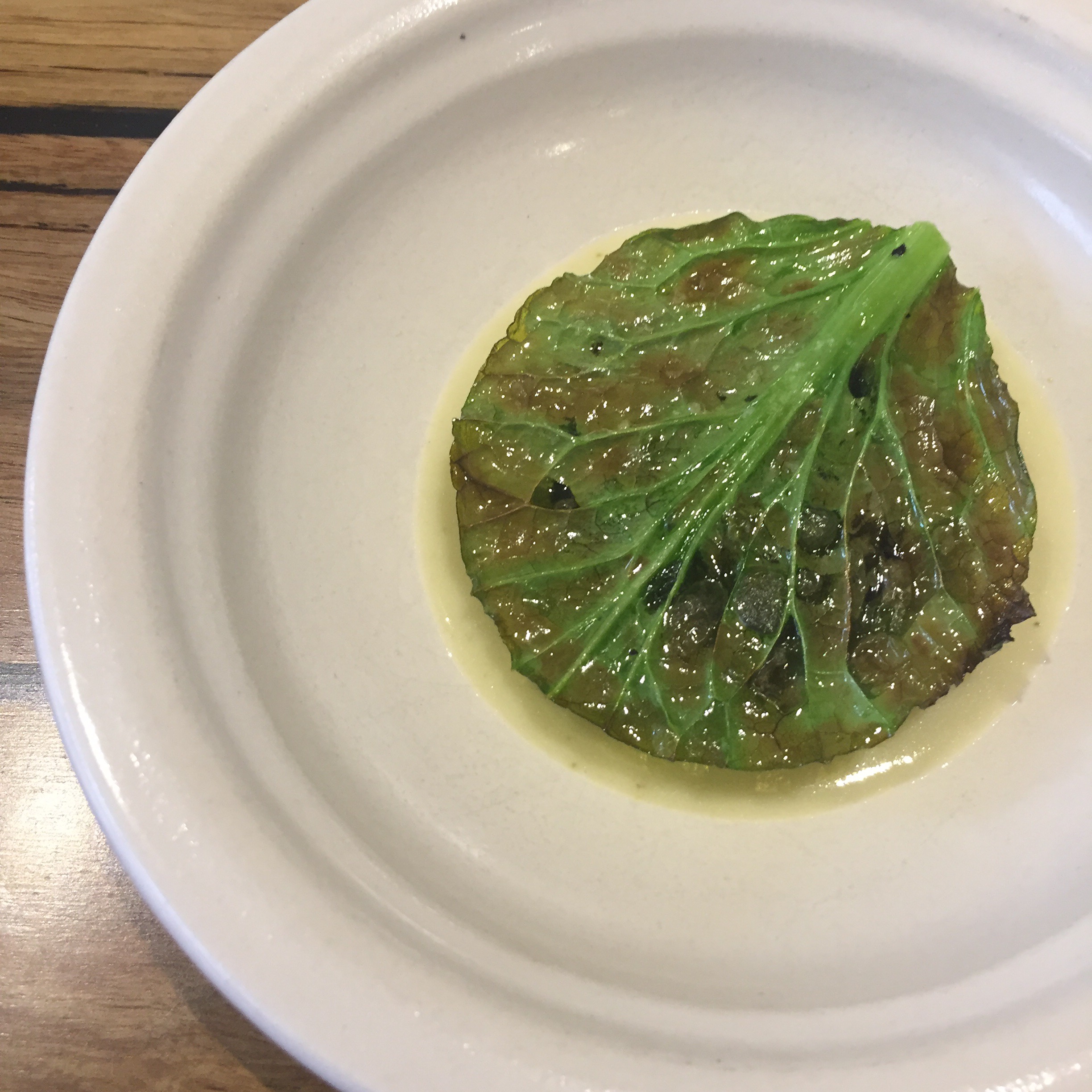
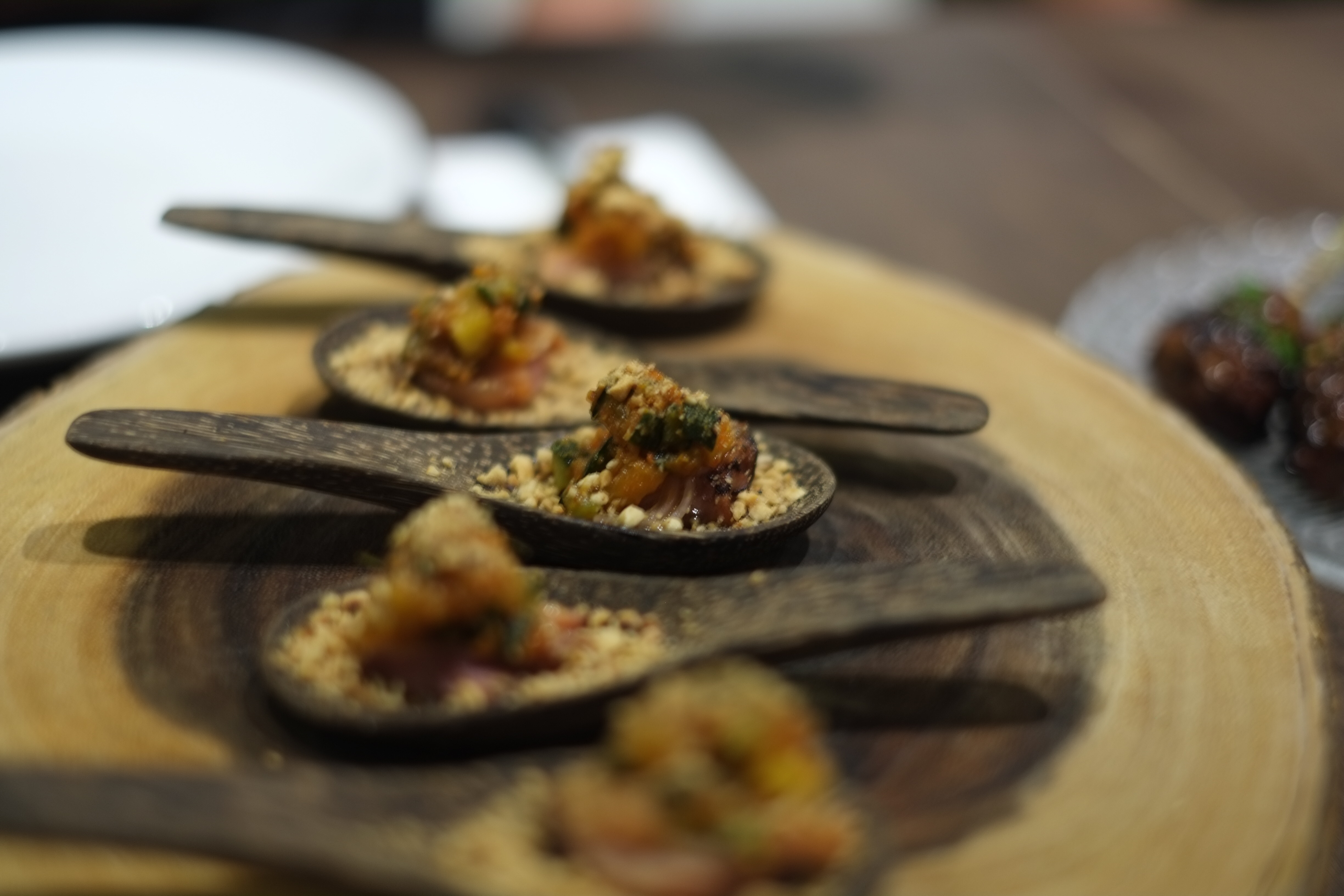
Next was my choice of pork sisig wrapped in noodles(?)

Very tasty! Had the depth and texture of classic sisig but I’m bewildered with serving it with ..hoisin?!? Is sisig! Serve it with lime, chili and soy or maggi! 


Had a cocktail made from sarsi.. actually nice. Lives up to the name.

Now, restaurants and other establishments hire influencers to get people into the door.. but ultimately what you have to offer is what keeps them interested and keeps them coming back.

Debunked!

I should’ve gone to Aristocrat for grilled chicken.

Igni. It’s more than what I thought

Igni was a reservation long shot but as I’ve always said, it’s better to be lucky in life..

Here I am for an hour and a quarter journey to Geelong.


The ride was great and if didn’t feel that long.

Igni is a bit of an enigmatic tale in the food world. Australian Gourmet Traveller summed it well, young chef with street cred from Noma, El Celler de Can Roca opens an Aussie regional restaurant of the year winner, only to close it 4 years later. Drops out of the Aussie food scene and finds himself in Nashville (USA), returns to Australia after nearly two years and proceeds to open up chicken joints before coming full circle- chef Aaron Turner opens Igni with former colleagues Drew Hamilton and Jo Smith.

I don’t want to define Igni’s food, it just reminds me of the best elements of Burnt Ends and Nouri, both in Singapore. However Igni is also more than these two combined. It’s setting blesses it with an abundance of fine produce and amazing local wines with Chef Aaron deftly brining all these into a beautifully cohesive meal.

There is no menu at Igni.  You’re asked for any allergies and preferences and the meal starts.

Book it: https://www.restaurantigni.com/

Read about it: http://m.gourmettraveller.com.au/restaurants/restaurant-reviews/2016/4/igni-melbourne-review/

Anchovy (my only regret is not being able to try the entire menu)

It occurred to me that I needed to post this short review.  I had no intention to and hence no photos to share.

While having dinner with some people at a very fine Italian place in Melbourne, it occured to me that we all possess positive and negative biases towards and against our own culinary heritage and maybe even people.  I asked casually to one diner who was of Vietnamese heritage, “oh, have you tried Anchovy?” “Oh, I’ll never go try these new trendy Vietnamese places. They’re just too expensive and there’s too many in Melbourne!” “But it’s not Vietnamese…” conversation ended.

Anchovy may well be one of the most exciting (asian) flavour combinations I’ve had in recent memories.  I also found some references back to classical Roman and Chinese cuisine on the menu.  Anchovy is also by no means a fusion restaurant, but rather a fusion of flavours and heritage handled with utmost care and respect.

Having just flown in on a red eye flight and catching up with some friends for brunch, and a long power nap later, I reached Anchovy after 8.30pm.  The place was 3/4 full with one service staff who immediately smiled and acknowledged my presence.  “table for one, no reservation. will that be fine?” “Of course!” Within 3 mins, a counter space had been cleared and a fresh table setting laid out, water served and I found hooks to hang my coat and things.  Service never dropped all night. It was solid from start to finish.

I opted for the Chef’s Selection at A$65.00 a head. Come on, A$65.00 a head?! where do you get that these days!!? I only had one request, which is to be served the Vietnamese blood pudding.

Food came in very good progression, after 10-12 mins, the blood sausage pudding came out.   This was delicate, subtle and very very tasty. It was still very warm to the touch on top of a cos lettuce dusted with spices and a hint of ginger. There was delicate balance between a mild mineral taste, small bits of fat and the crispness of the exterior after a quick sear.  No photo. too good to pause for that!

Second course was the Grilled Lamb’s Tongue Tostada with bamboo and mustard.  The lamb was gently grilled on coals until the connective tissue broke down and a beautiful crust was formed on the outside.  The toastada had the right denseness and crunch to hold onto the lengua and the mustard dressing.  Fantastic!

This was followed by Smoked venison tartare dressed in Kachin salsa and served with sweet potato chips.  MMMM! After the first bite, you are pulled in by the bright and spicy flavours, with the heat building and lingering.  You won’t want to stop, you’ll want to carry on until there’s nothing left.  Venison and tartare are almost never in the same description on a menu. I applaud Chef Le for this dish.  The dish is one of many that bridges Asia and Europe together. Bridges, not fuses.

The next dish, Chicory and Mam nem was a perfect example of bridging two cultures together.  In Rome, there’s a dish known as  Puntarelle ala Romana. its a fibrous and pointy tipped vegetable that’s a member of the chicory family. In Rome, this dish is served with an anchovy dressing.  In Anchovy, chicory is tossed with a vinaigrette made from Vietnamese fermented anchovy sauce.  This anchovy sauce is less filtered which adds more pungency and texture versus the normal fish sauce we’re accustomed to.  This dish was intense, spicy, tangy, pungent and a pure joy to eat.

Final dishes were Stir Fried Drop Noodles in red curry spice, betel leaf and duck spare parts. This is a perfect dish for such cold weather, hearty, warm, spicy, earthy. The noodles were accompanied with one of the best versions of stir fried Chinese broccoli.  I know.. how can it be.. In this dish, brocollini is used with garlic chive flower and its wok friend with soy and sweetened with ground chestnut.  It was so good on its own but paired with the spicy noodles, it was harmonious.

Chef Le celebrates her heritage by being the ambassador of both western and eastern cuisines and techniques. I do hope diners would accept that asian food can be elevated to a new level. We are still entrenched in our ethnic biases . When I tell people I got to Japan for French or Italian food, I get very puzzled and simplistic answers like.. “well I go to Japan for Japanese food only”.  Yet we will pay up for non Asian chef’s cooking cusine that’s not necessarily their heritage? Why is that?

In the fine words of Andrew Zimmer, “If it looks good, eat it!”  and I say, it doesn’t matter where the cook came from!

Book It!

http://www.anchovy.net.au

3rd party Photo and review link:

http://www.goodfood.com.au/anchovy-richmond/anchovy-review-20170412-gvjccl

http://www.heraldsun.com.au/lifestyle/delicious-100/delicious100-richmonds-anchovy-is-one-of-melbournes-best-restaurants/news-story/b1a0a6a2e21fa2648c2732bdf8a62dde

Thi Le, GT Best New Talent


Braci

Braci is Beppe De Vito’s new restaurant. And honestly, until the 16 seater was recently awarded its first star, I’ve never heard of the place…maybe in passing or in a review somewhere on the web or social media.   

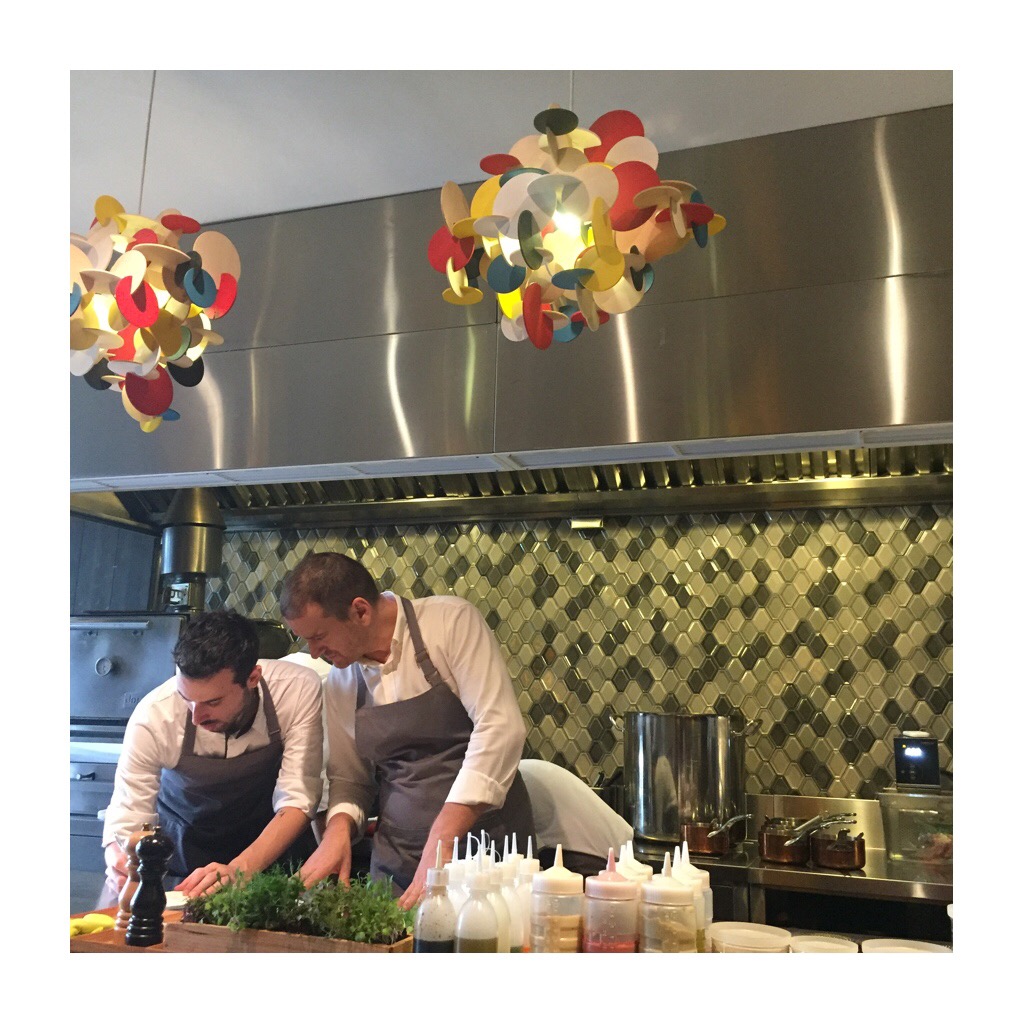
Let’s call this lunch an accidental discovery of something that can evolve beyond its superb settings coupled with great cooking and impeccable service.  I walked out of the place with a sense of excitement from my meal..maybe bec. Beppe himself was behind the stove as well as facilitating the kitchen.  I remember seeing Beppe the first time when Bice was probably the hottest table in town.  He wasn’t in the kitchen but rather in the front of the house, impeccably suited up on the many evenings I’ve dined there.

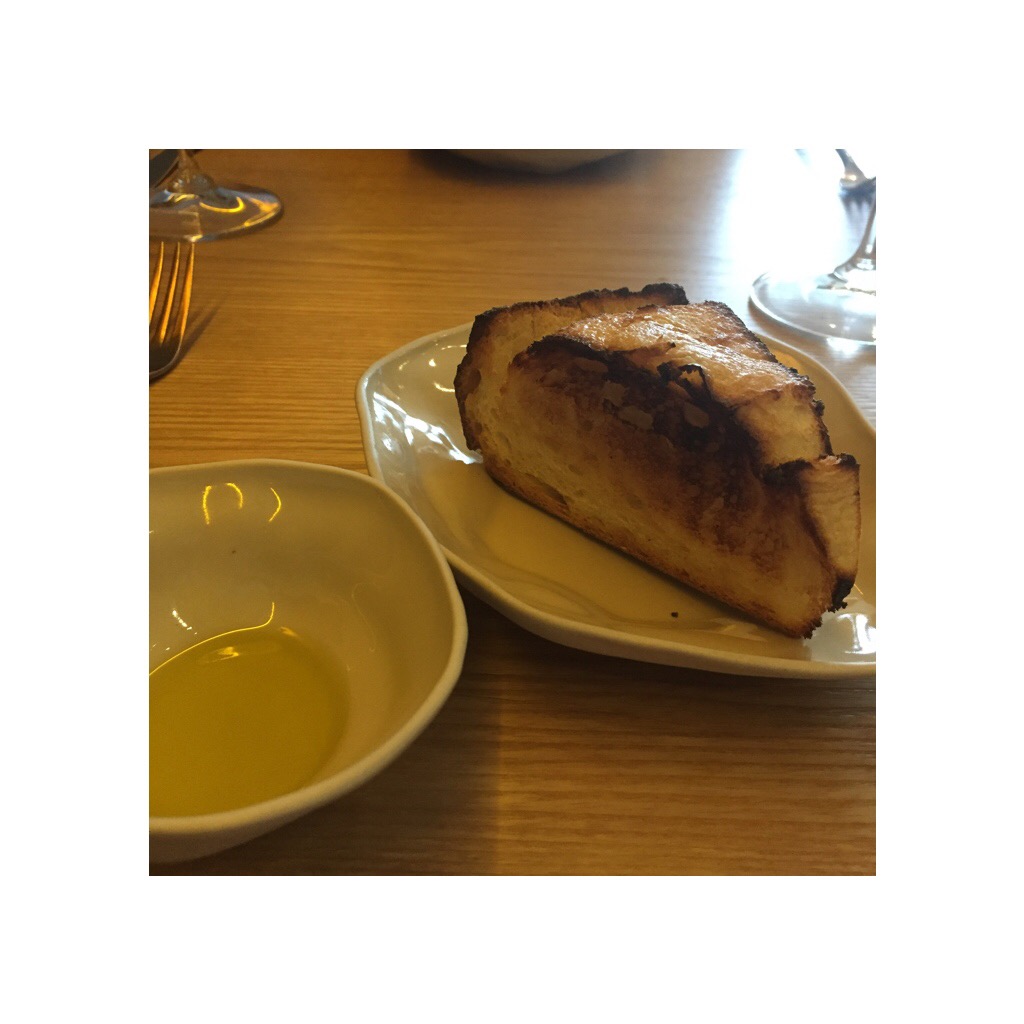
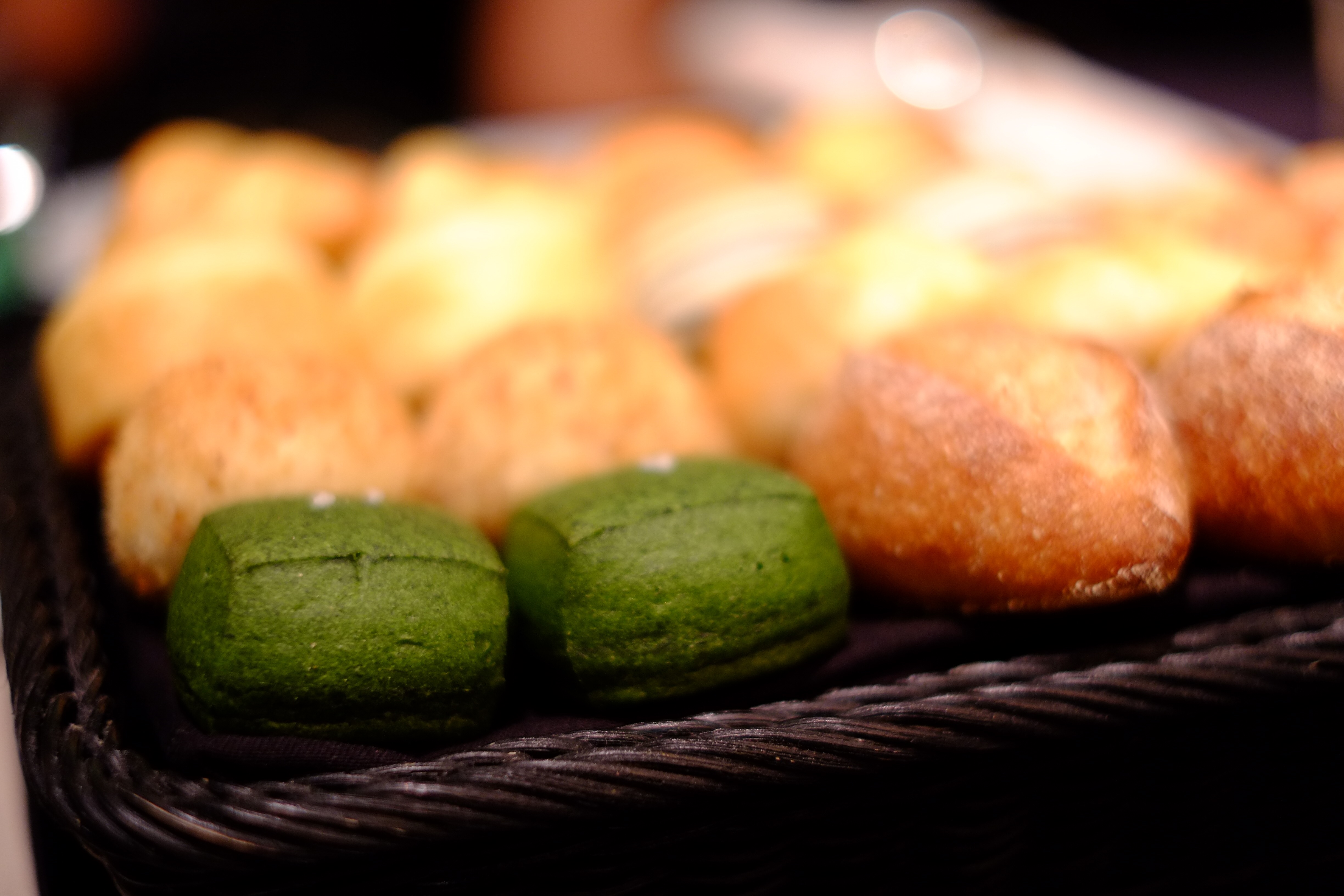
Beppe himself brought over the bread and olive oil. It starts here, the bread is partially baked in Italy and finished in the restaurant’s Josper grill. Braci it turns out, means coal embers and this is used to bake this bread, which i apologize for forgetting the name. The olive oil is from Beppe’s father’s farm.  I must emphasize the connection of the two items, simple as it may be it sets the tone and philosophy of this place.  Unlike his other establishments, Aura and Osteria Art – both gorgeous places and delicious food in their own right, Braci is more personal, intimate and “naked”.  It seems to bring the man back full circle, entertain, cook, serve and interact whereas his other places are more well run institutionalize restauarants.
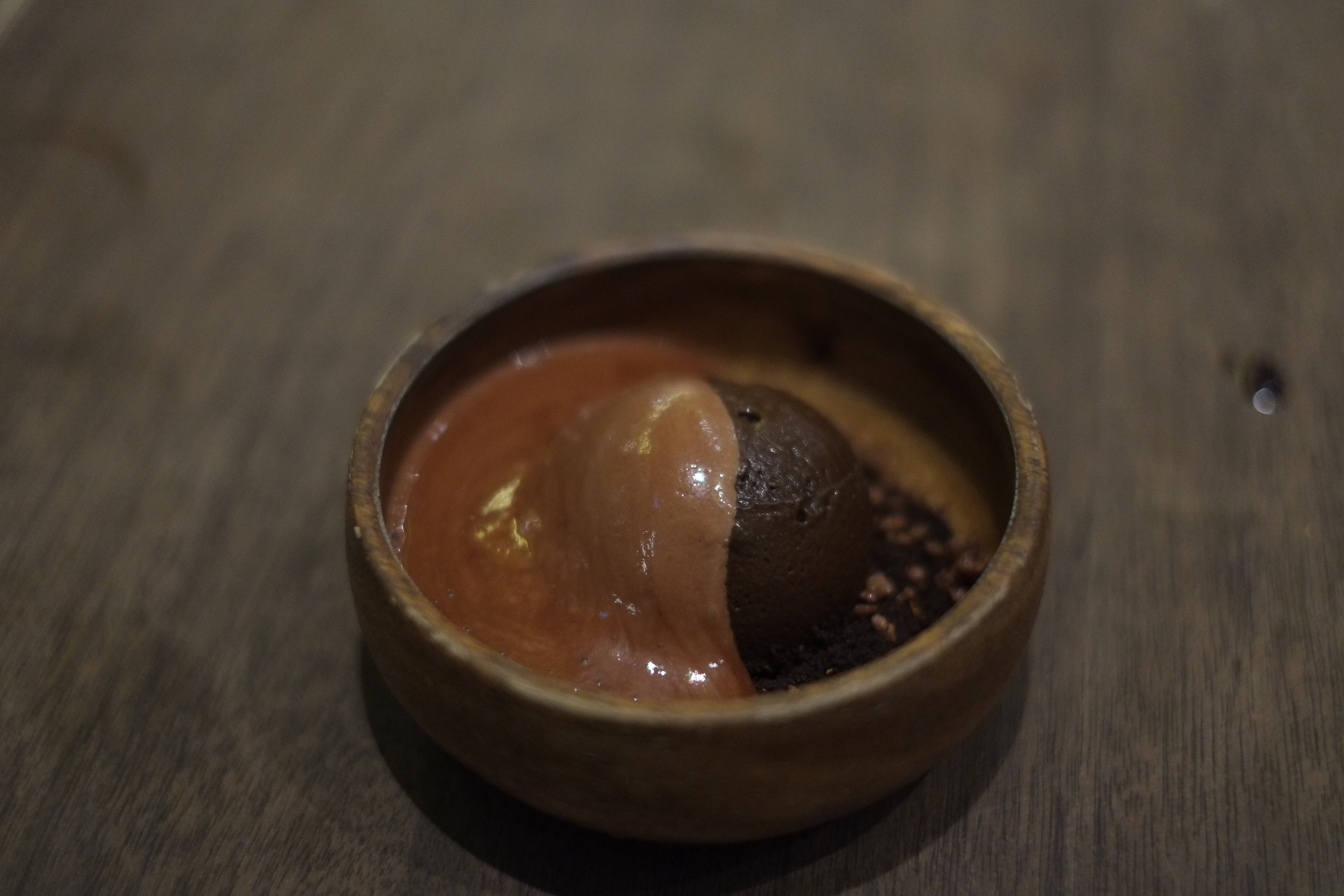
The bread cooked in “embers” with the intentional char marks and an amazingly fresh and citrusy olive oil

Italian cuisine faces the challenge of elevating itself without losing its soul.  Braci has straddled tradition, flavours, and innovation with aplomb.

The stars of the day were the amuse bottarga with wine jelly. Sadly, there is no photo of this as it was devoured without hesitation but with much thought and appreciation.

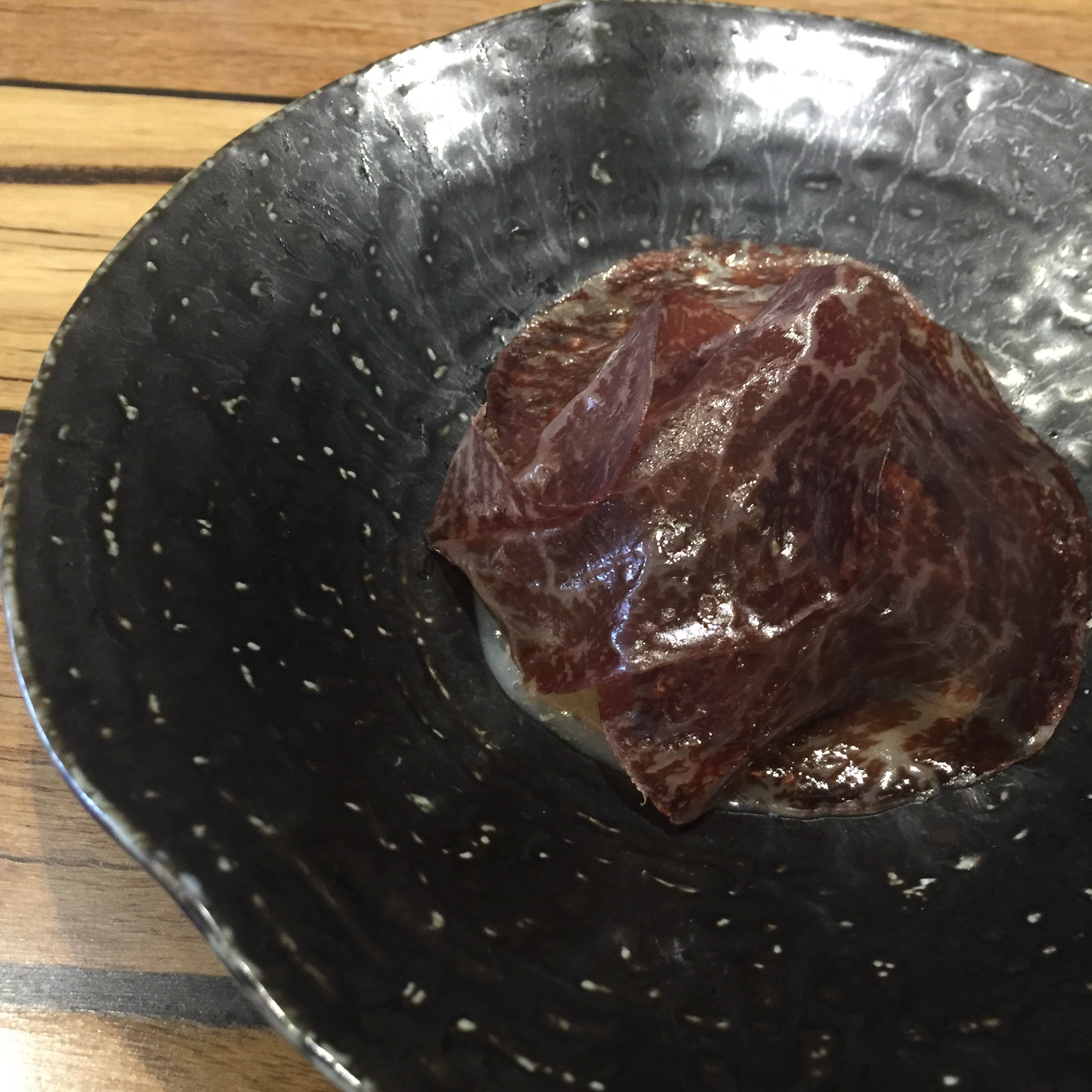
What I do have is a photo of is the superb beef tartare, where it no longer resembles a circular mass of raw meat tossed together with a half attempt to prettify it.  No, Braci serves it in a cleaned out half bone shank where it was dressed with olive oil and salt, topped with capers and bone marrow spheres.  This is the second time in several years where plating beef tartare was an art form in itself, the other being the dining room at Antica Corte Pallavicina Relais.

The cross section of the tartare. Great thought have been put into this dish that lets the diner experience different intensity of flavours by adding the two emulsions onto the tartare.


Another highlight would be the Italian red prawn crudo with fermented strawberry. Delicious but it could’ve done with a small hit of seas salt to give that contrast and highlight the crudo.


The main course was the aged duck where the duck breast is seared in the Josper grill. This was a much more straight forward dish and i appreciate that bec. It was just great classical cooking at its best.  The plate used was a bit of a let down after the previous plating I received in the other dishes. 


We dine out with a level of expectation and skepticism, and in the case of this town, there’s been more misses than hits and worse still, the Michelin star system has raised the bar and expectations for both diner and dining establishments.

Does Braci live up to the star? Yes. Wholeheartedly, I’d dare even state that if Beppe were to be there at full force, he deserves a second one..but that’s for another story..

Jazz in my palate 

Chef Ivan Brehm has returned to the dining scene in Singapore in a much more polished setting. I call this his third evolution. I’d even say he finally has a place that deserves his talent.

I’m a huge fan of Ivan’s cooking. It goes all the way back to the earlier iteration of Bacchanalia. Think borlotti beans, cocoa and scallops.

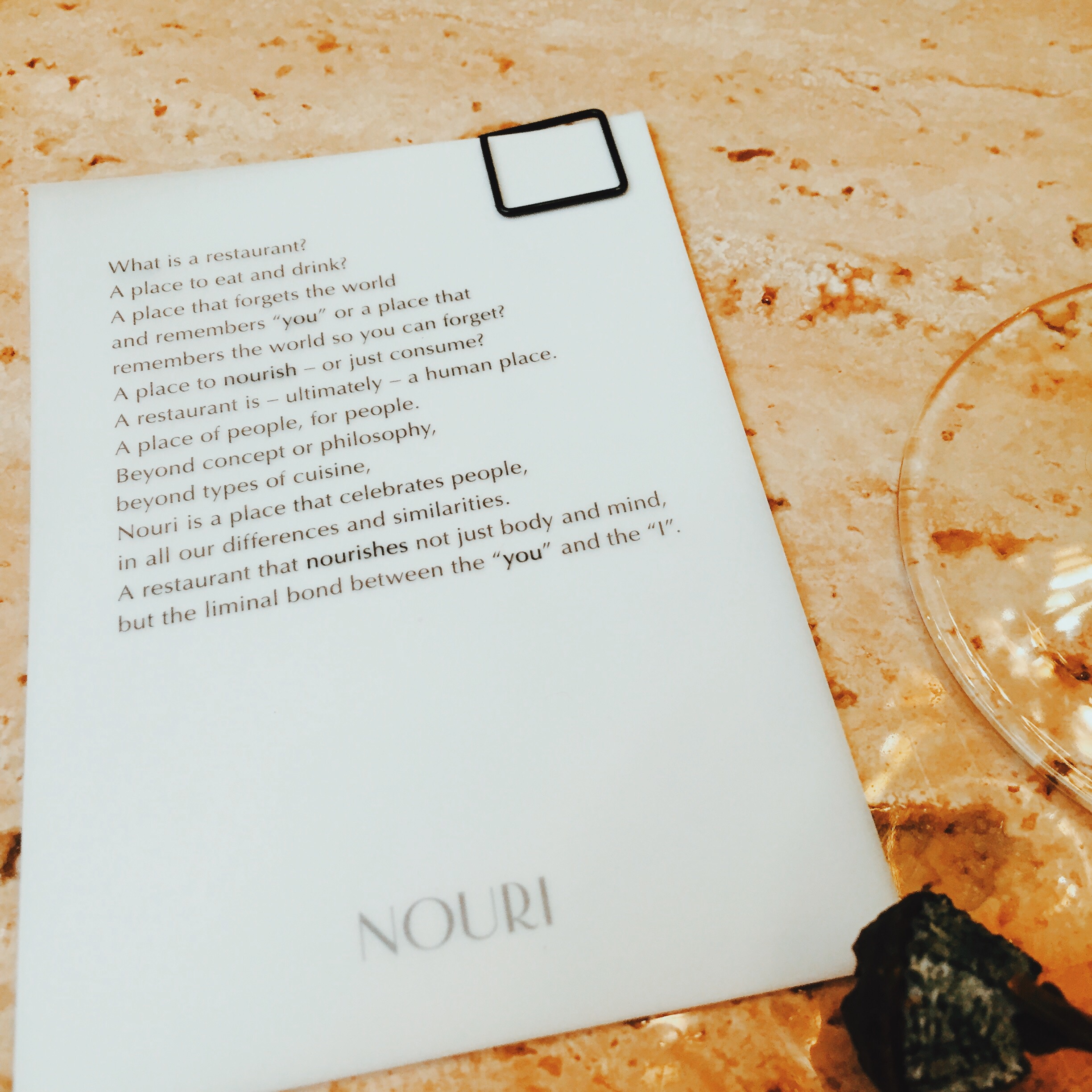
Nouri is a new establishment created by now legendary restaurant and hotelier, Loh Lik Peng and Ivan.


I asked what is (cuisine?) Nouri to chef, he simply smiled and said, “it’s more of me..”

Exactly what I missed when he took some time off before opening Nouri.

Nouri hits the right notes, delivering flavour, wit and excitement.

I had the (lunch) chef’s tasting menu which would give me an idea of the more comprehensive dinner menu.


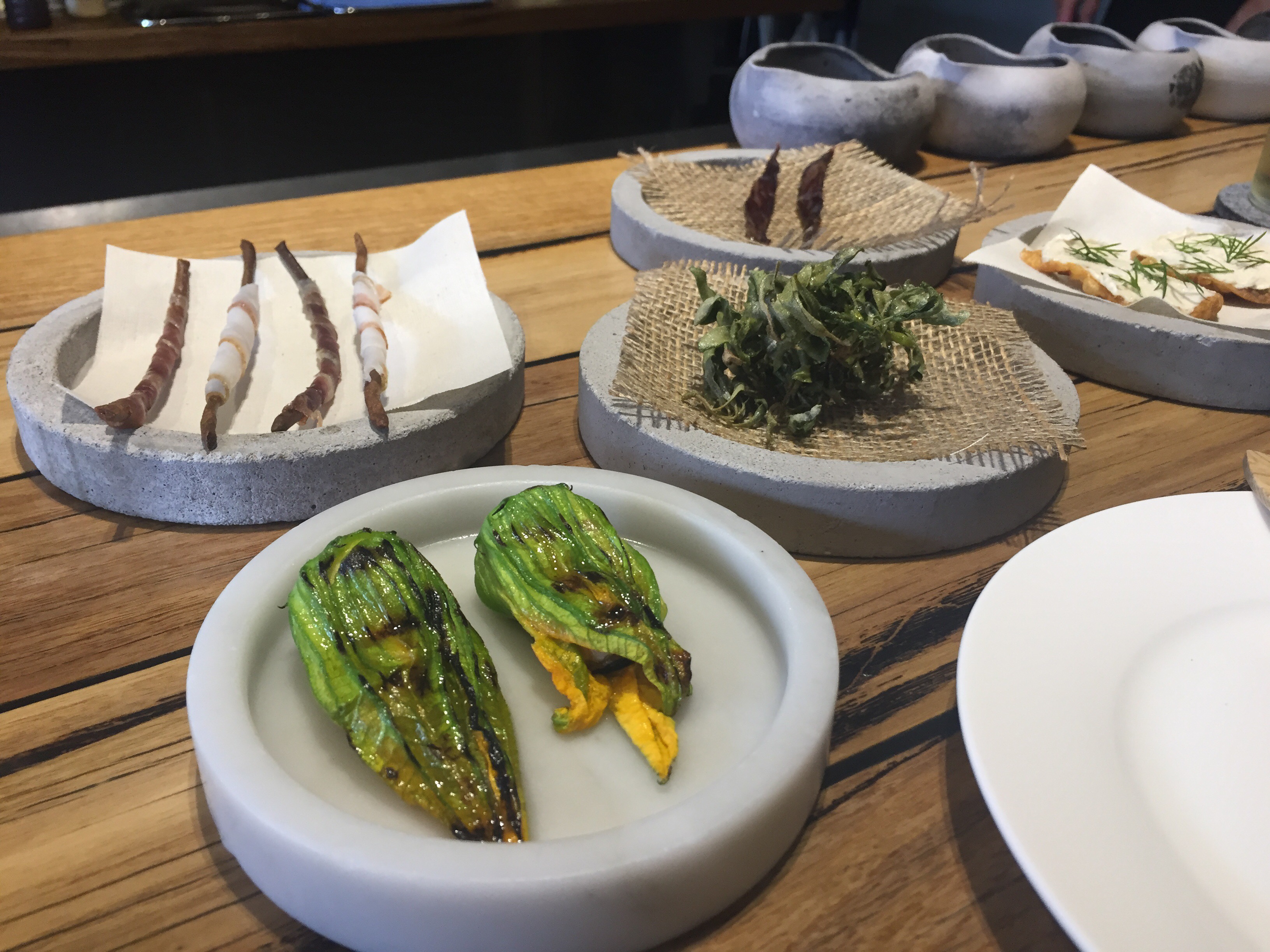
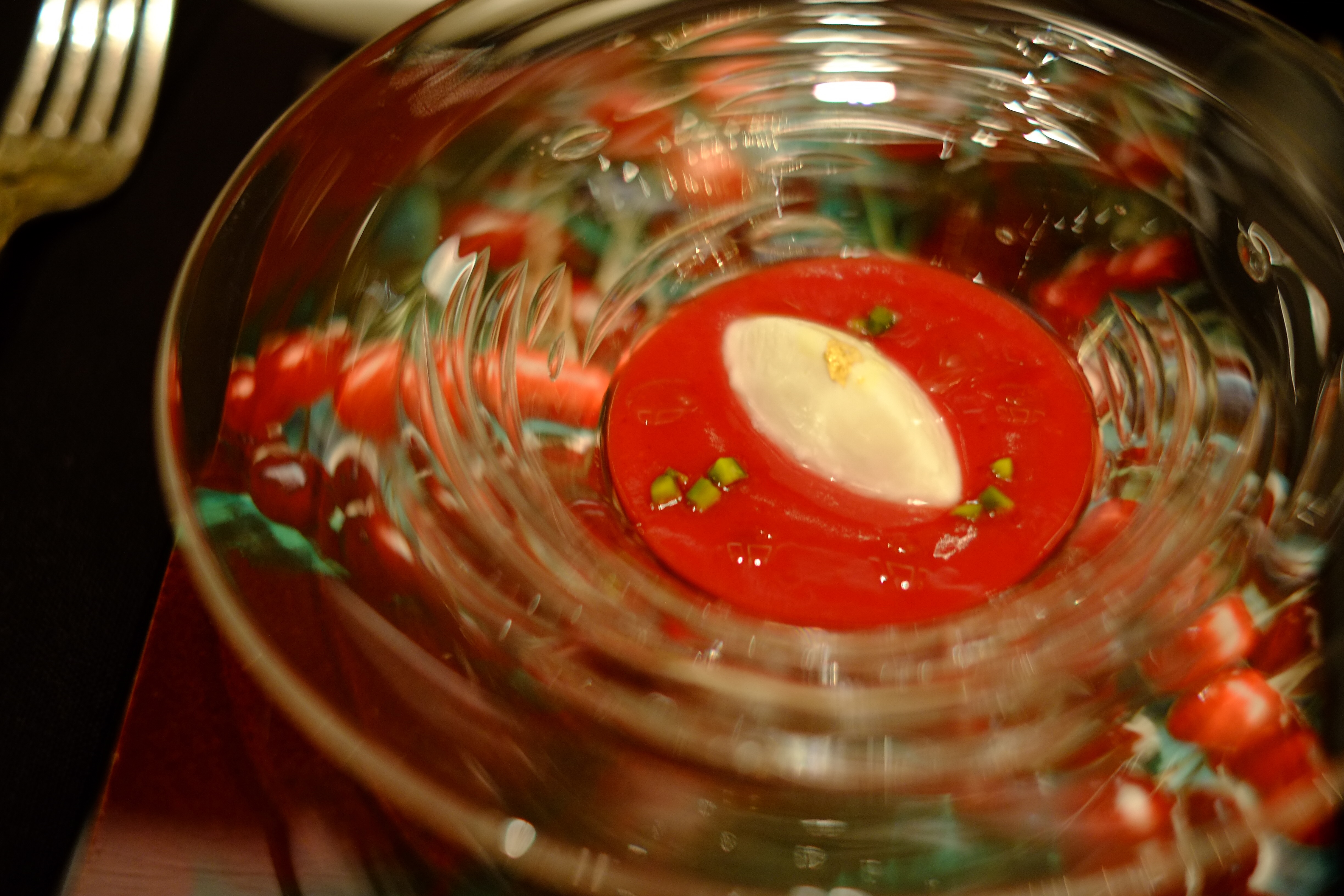
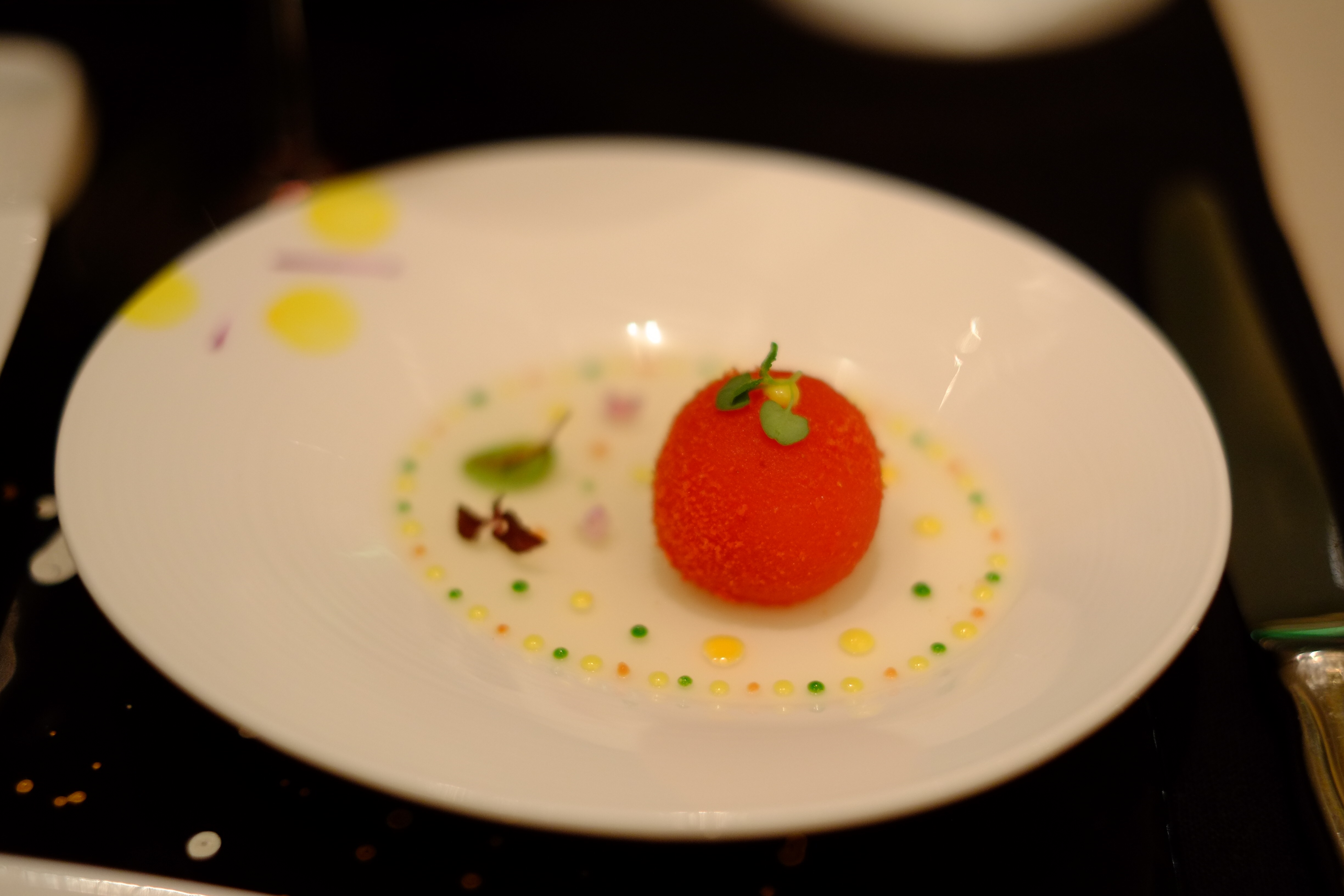
The kitchen sent out a warm buratta salad dressed with oat water and an array of tomatoes. A simple, elegant and superb dish to open up your palette.


It’s great to see Ivan bringing in his Brazilian roots. This is a acaraje – traditional street snack made from black eyed peas. The acaraje was served with two types of “curries”, an homage to his adopted home.  Loved that this is a fresh idea in a dining scene that’s running out of new ideas.


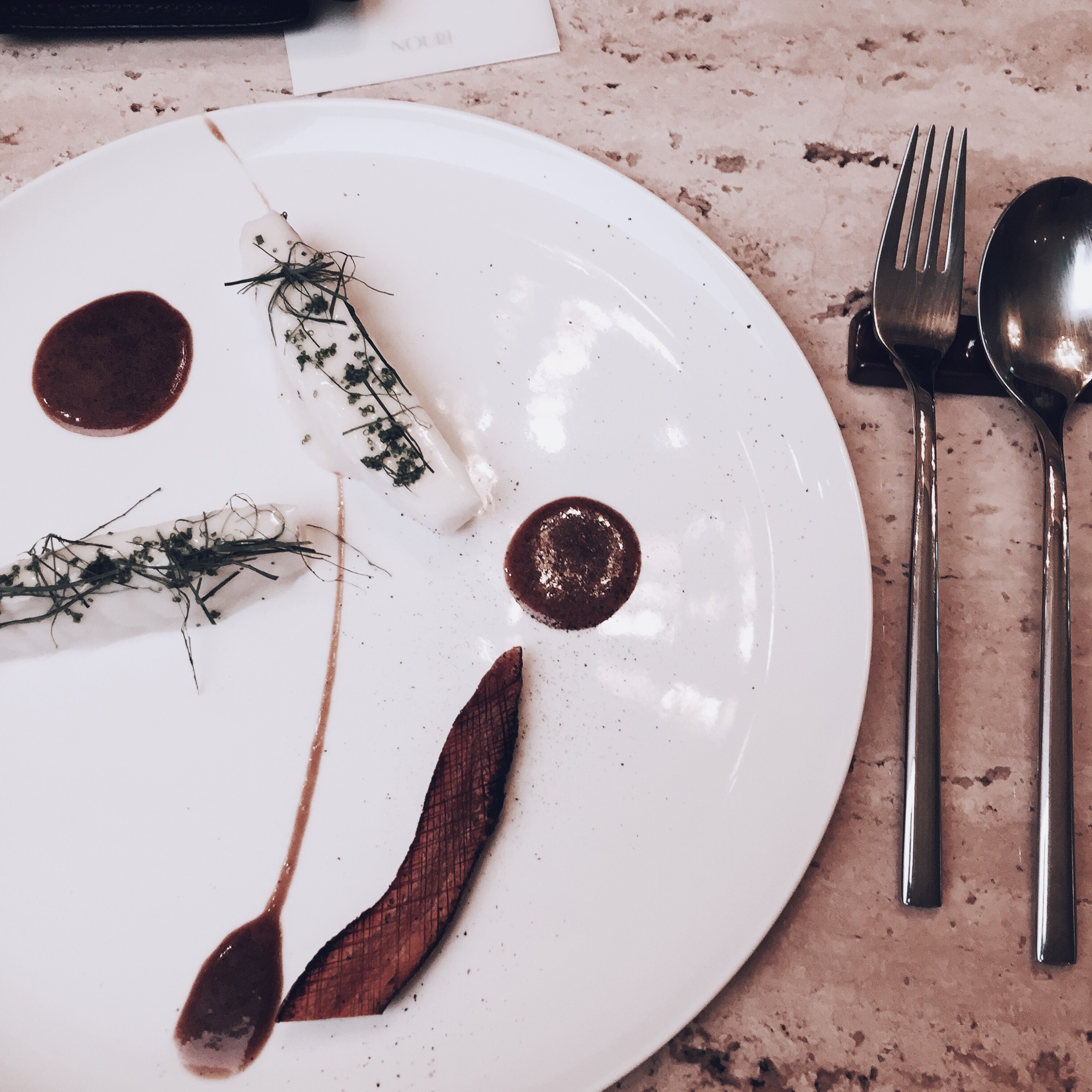
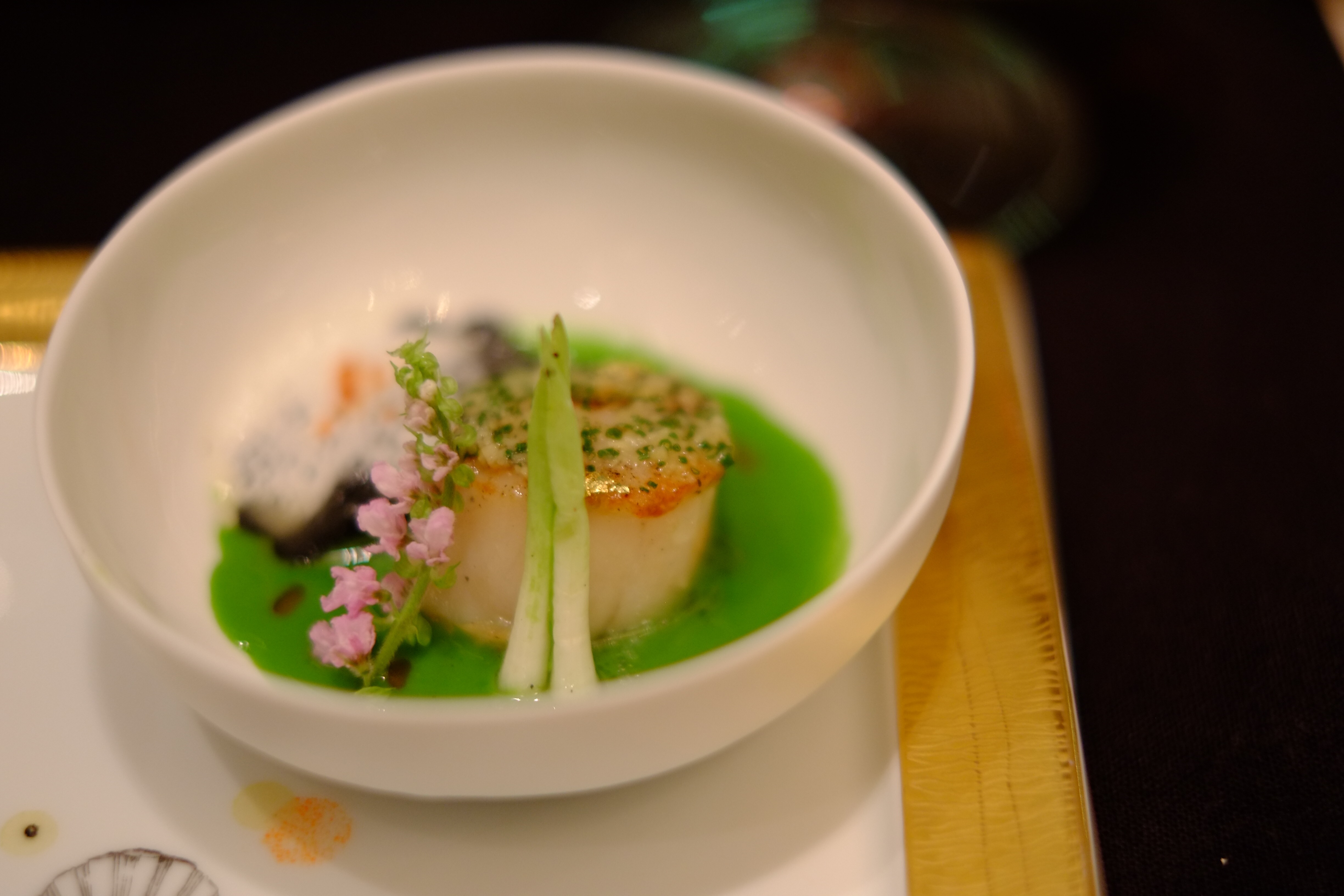
“Black pepper fish” was next. Possibly one of my favourite dishes in Ivan’s entire repertoire of dishes – past and present. This is a perfectly cooked grouper coated in a fish stock emulsion. The pepper sauce was a nuanced and delicate counterpoint to the luscious and buttery texture and flavour of the dish.


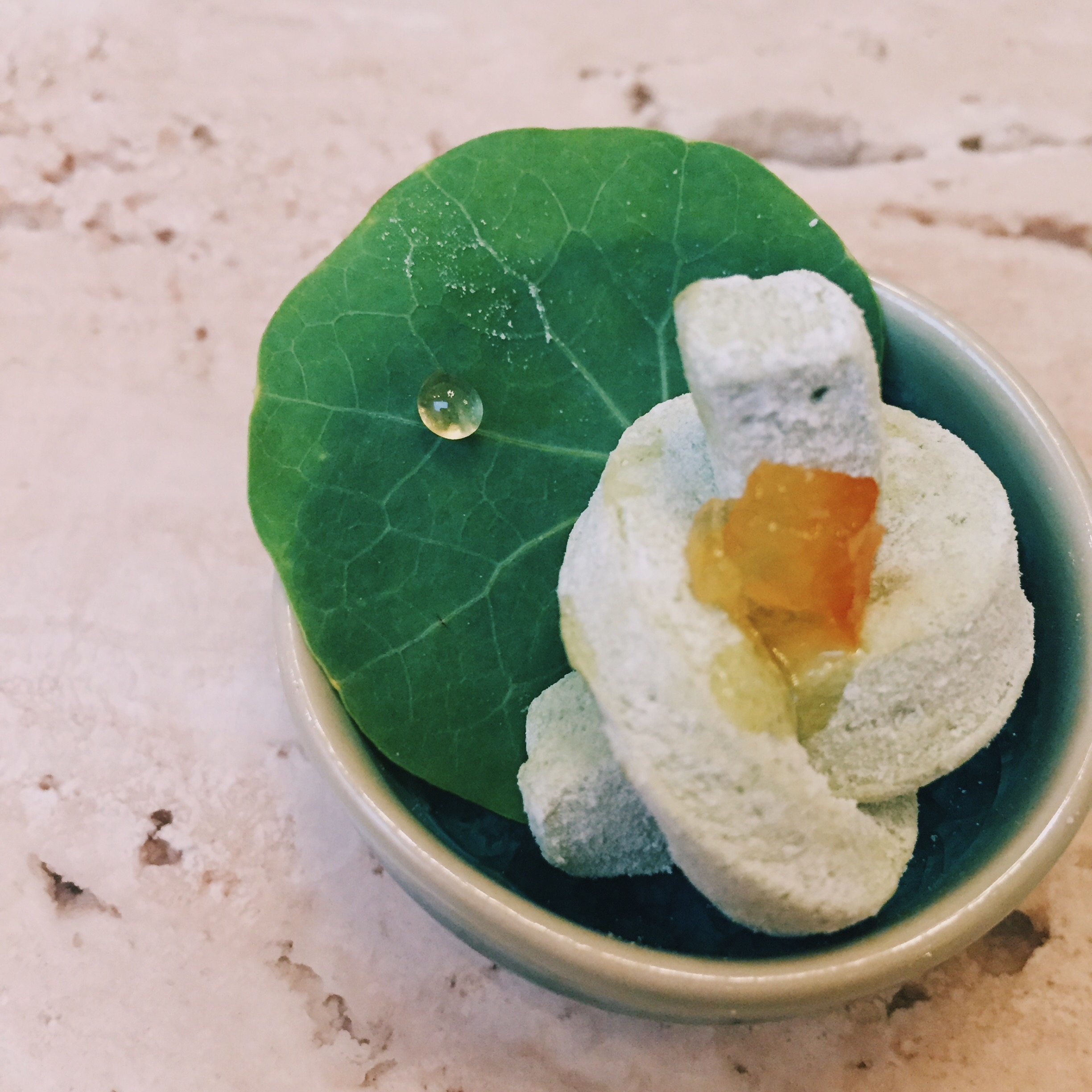
The cleanser! Palate cleanser. Brilliant use of nasturtium.


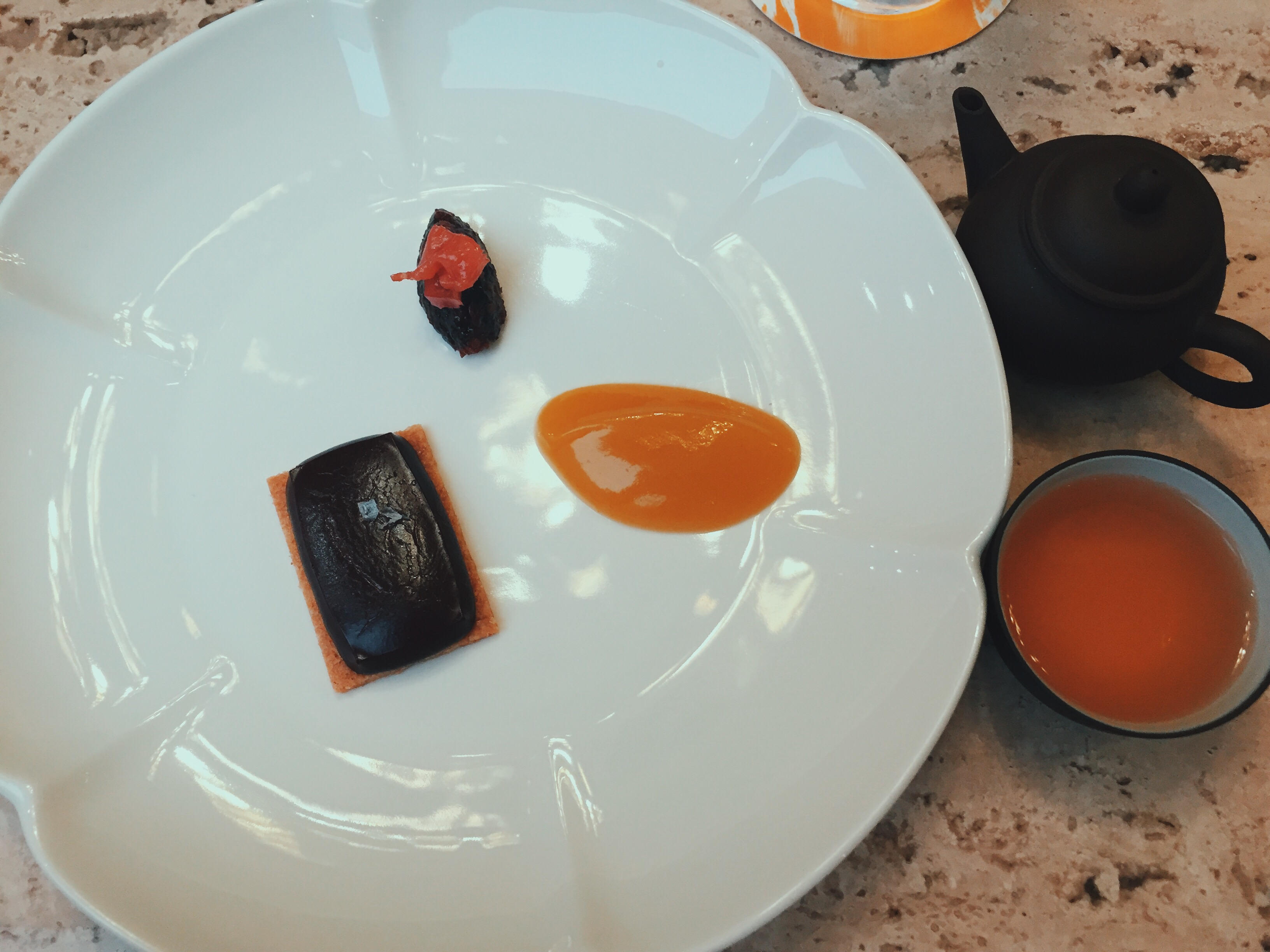
Desert came in two courses, Milli Vanilli (gotta love that name!) which is a rum- banana foam as well as Big Red Robe, a chocolate and plum dish paired with oolong tea.

Ivan’s back! And I’m looking forward to his creations in his third evolution! If my lunch is any indication, he continues to be whimsical and creative with out taking himself too seriously. The only serious thing about Nouri is the food and an amazing service staff. Jazz in my palate. 

Candlenut 

Candlenuts (Aleurites moluccana) are a relative of Macadamia nuts and resemble them in appearance and in texture. They have a hard furrowed shell and the the nuts are yellow, waxy, and brittle, much like their Macadamia cousins. They are so named because they used to be used to make candles. The name is sometimes rendered as two separate words, candle nuts.- Culinarlore

Candlenut also happens to be the first Pernakan restaurant with a Michelin star on the planet. Granted, pernakan is a small subculture in Southeast Asia where the arranged marriage of a princess from China and Malay royalty resulted in a new sub culture, also known as Straits Chinese. The resulting cuisine is known as Pernakan cuisine.

I’ve dined at Candlenut in its early days where chef Malcolm Lee made a mark with his mark on Peranakan cuisine.

The cooking then was more traditional with light flourishes of modernity.

On this visit, at the eve of its move from their existing location to the trendy Dempsey Hill area, I found a refreshed chef’s menu that evoked confidence and a perfect balance between tradition and modern cuisine.

Before the stars came down

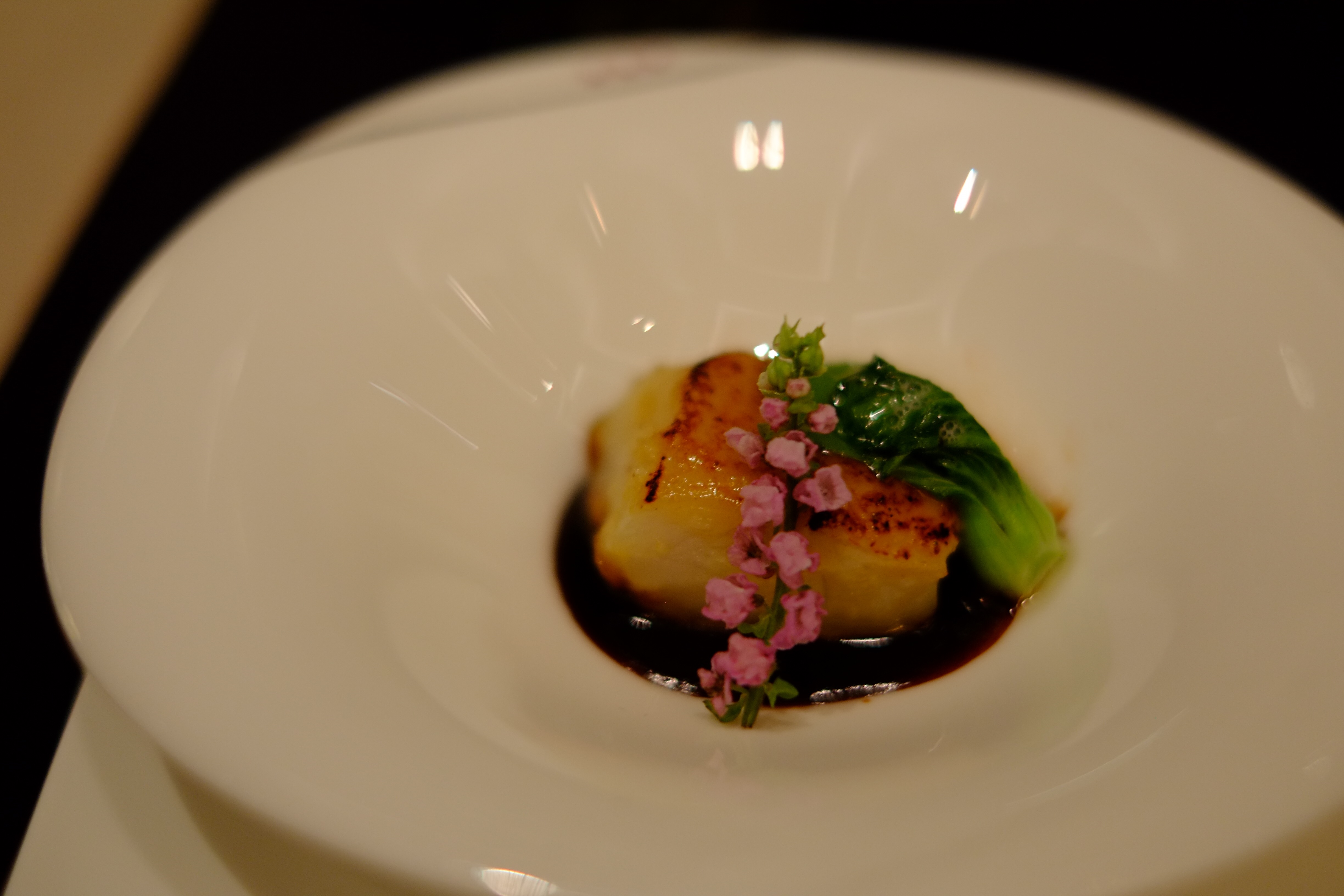
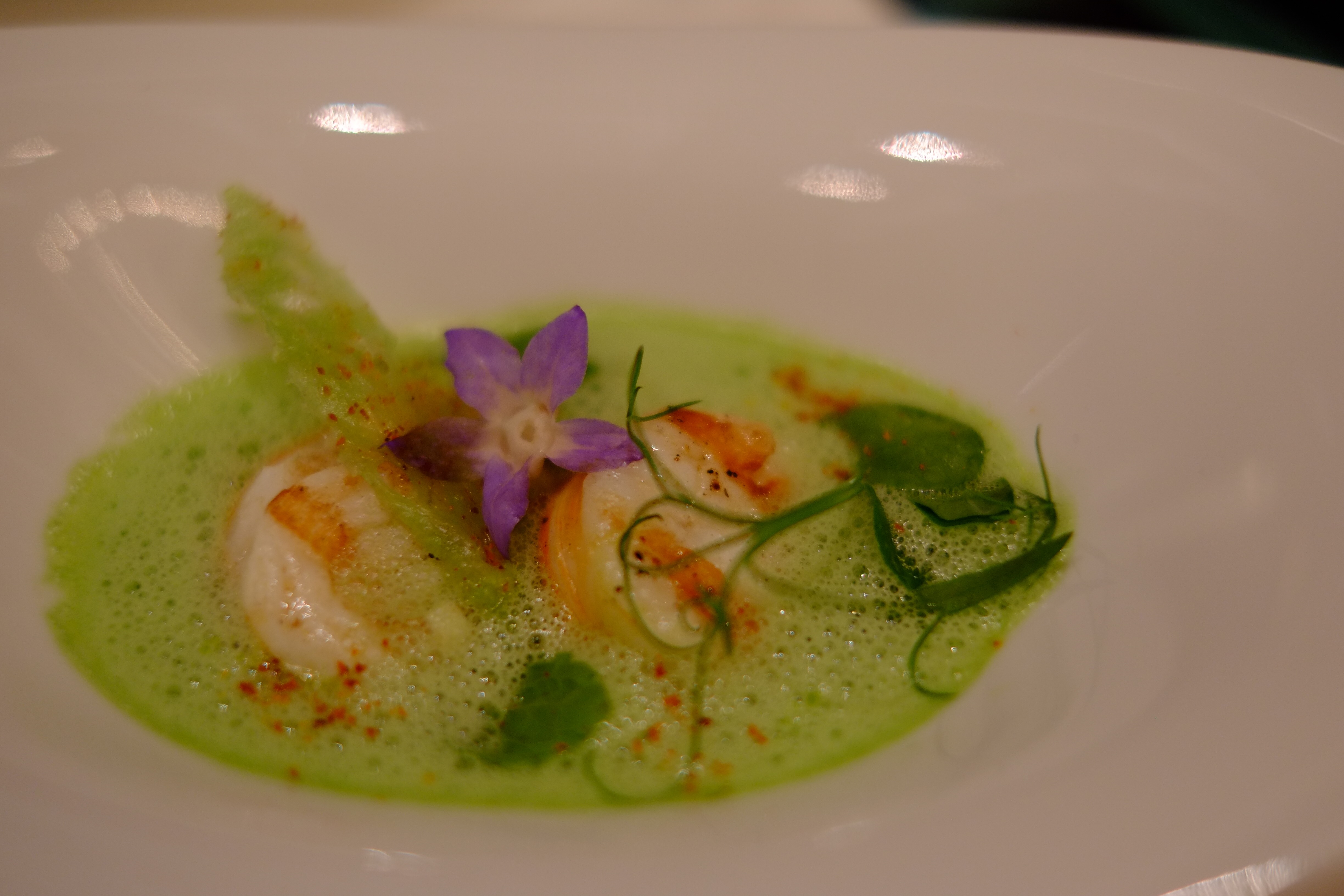
A good two Fridays before the Michelin guide awarded Singapore’s dining establishments, I had the great pleasure of dining at Joel Robuchon.

While I though the service could me and should be better, the cooking was spot on.


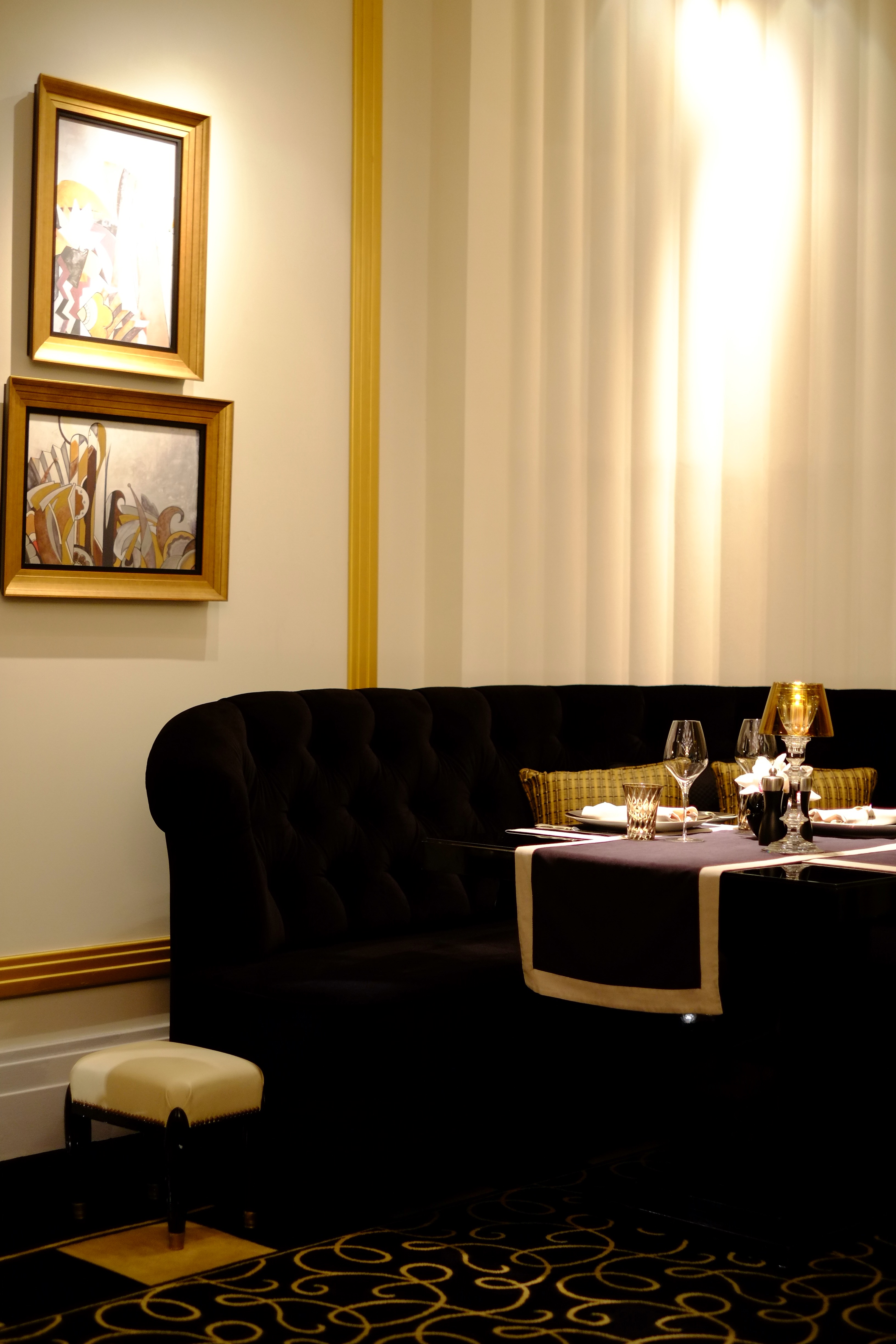
The dining room is consistent with other Robuchon establishments.

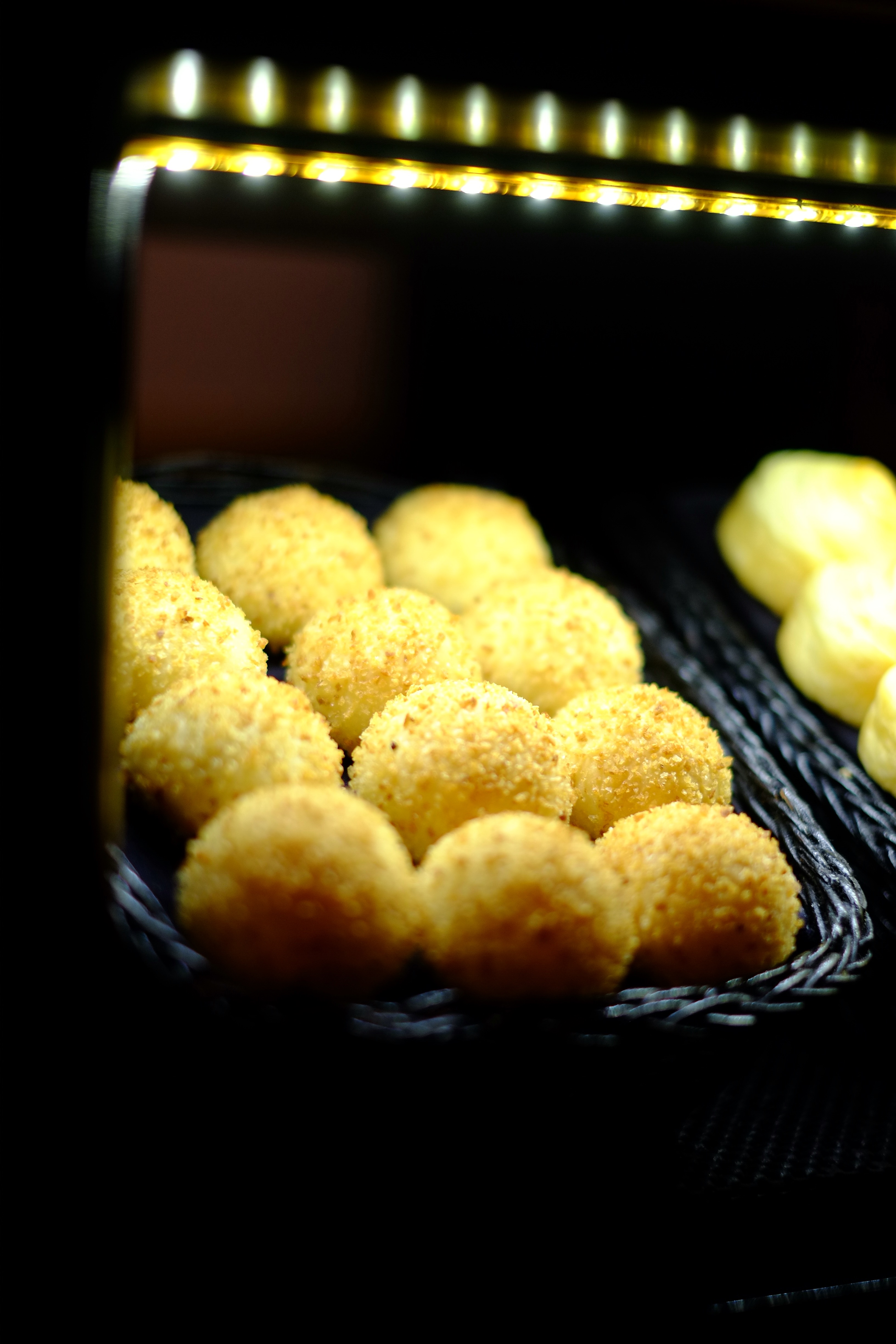
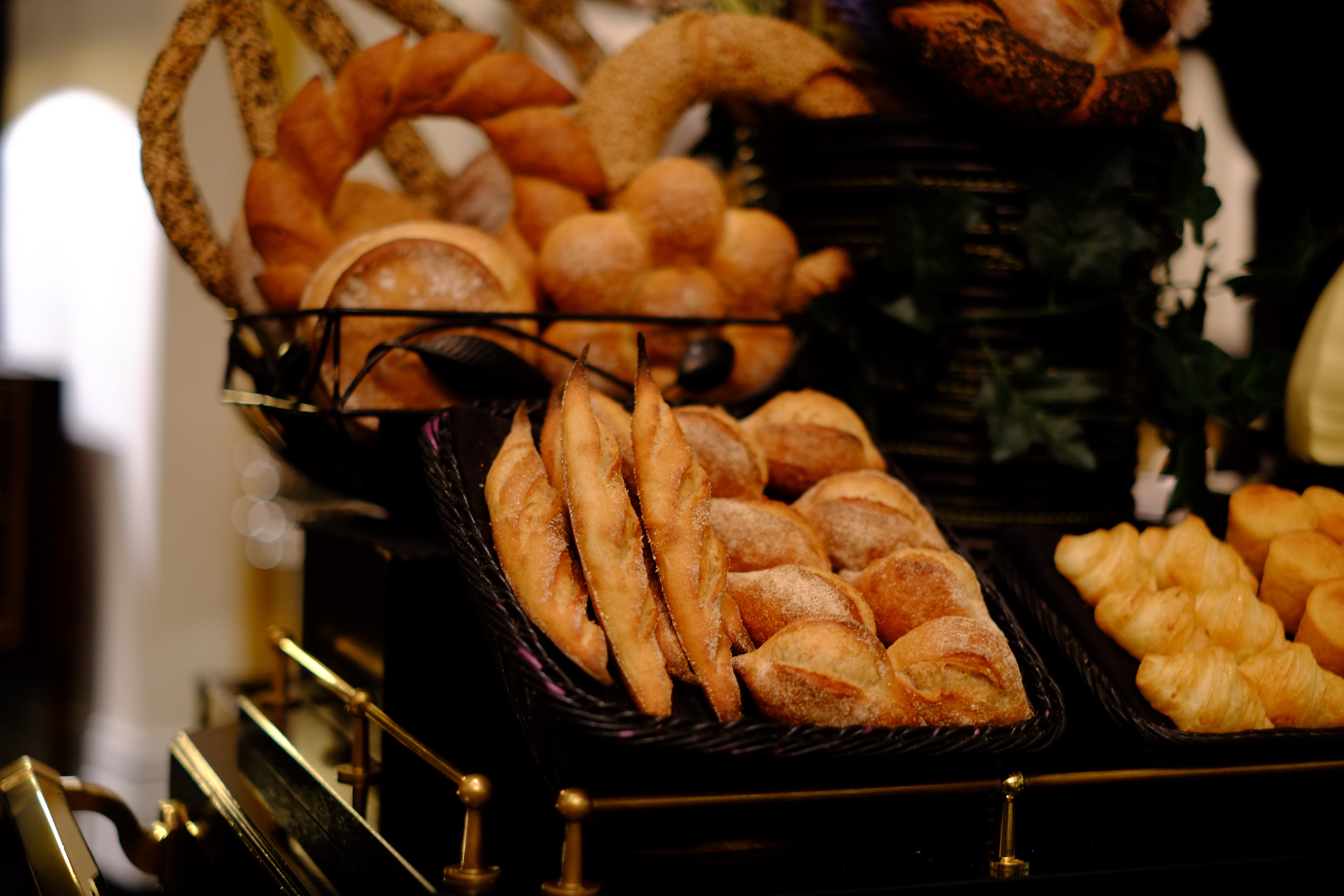
We start off with an amazing miniature array of breads. No such thing as a no carb meal here!


The full course chef’s menu is broken down into clusters of quartets of dishes.


Breaking the food shots with the gorgeous mood of the restaurant .


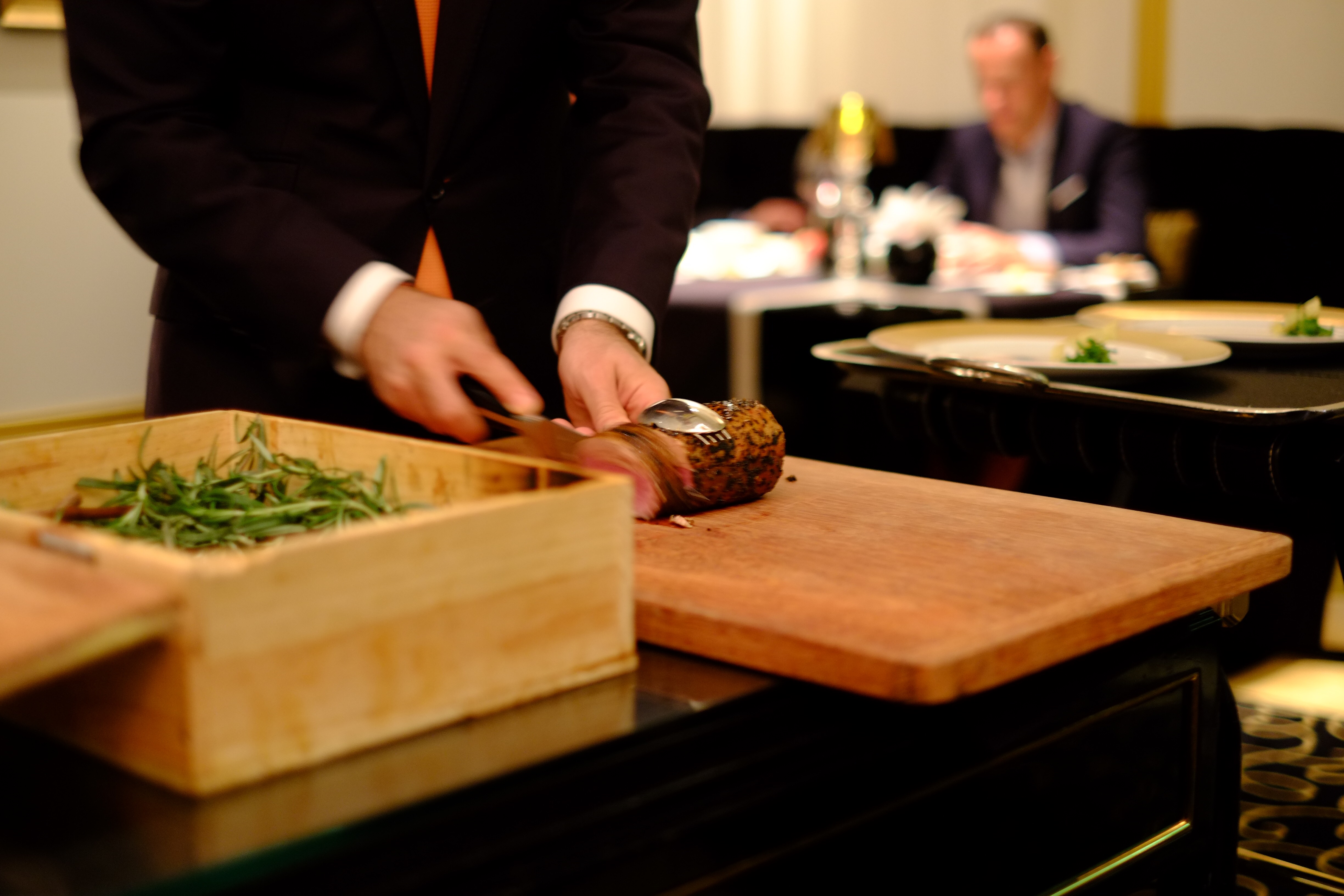
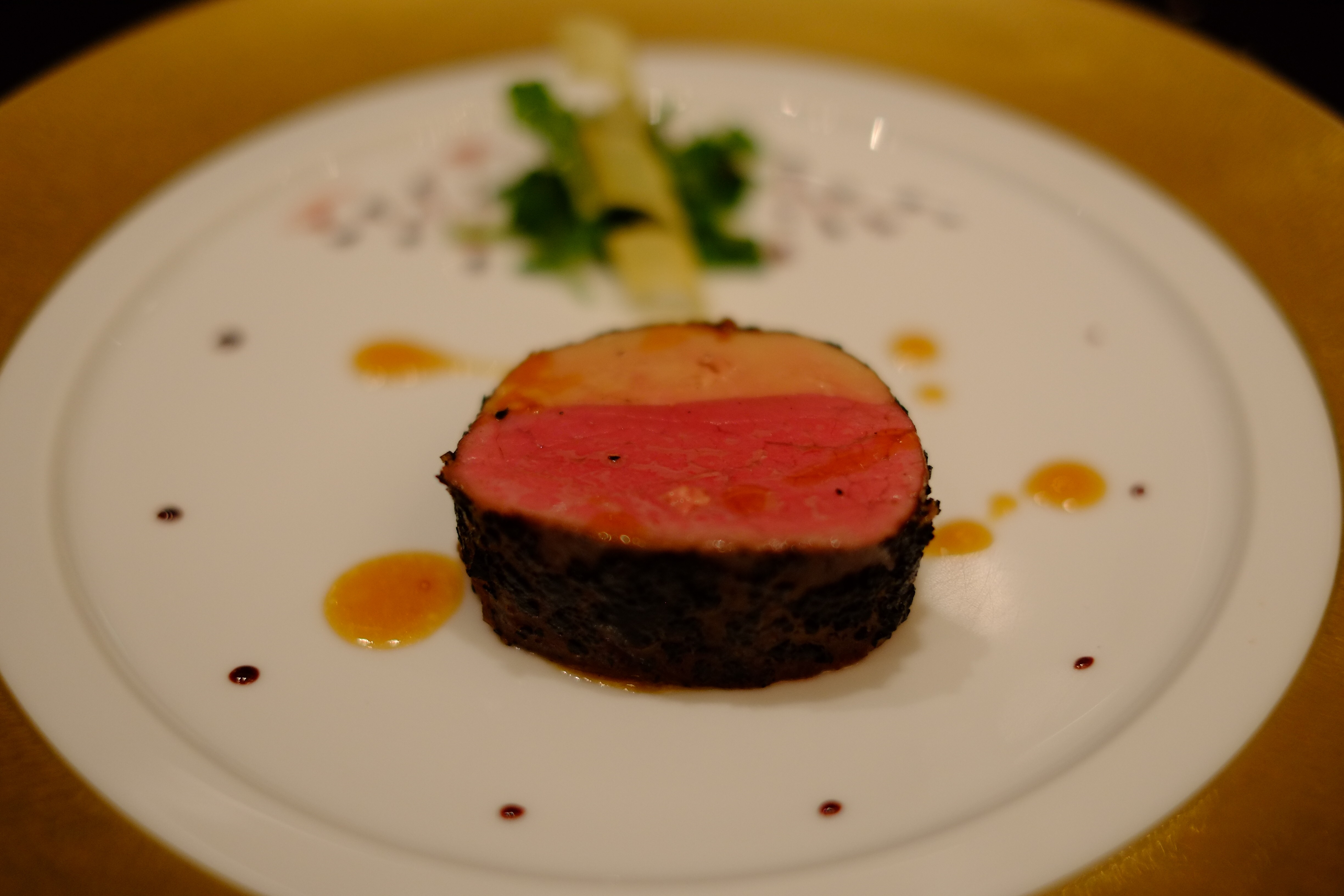
The main course was my favourite, which ironically is a fillet mignon, which is my least favorite from the cow.

The fillet is meat glued to a lobe of foie where it’s sous vided with black truffles and served inside a smoky cedar box.


Desert

I was mostly speechless by the sheer sophistication and attention to detail with the cooking.

Pity the service falls far too short.

Gekko Sabo

It’s not what it seems. It’s a lot simpler than that. Gekko Sabo is a quiet pour over and tea shop, tucked underneath Lattest Omotessando Espresso. I was meant to go to the latter but the high end audiophile equipment and phonograph records that could be seen from Gekko Sabo’s windows beckoned.

It was a far better choice to visit GS. I smelled the sweet scent of a cigar which turned out to be a a Short Churchill. One man in the shop finishing up and the rest was for us.

I ordered a mocha pour over. The menu was only in Japanese so I had to make do w rudimentary conversation w the owner.

Never had I seen a pour over where the barista drops temperature measured water into the ground beans and filter one Sep at a time. The whole process probably took 12 mins.

This was the most important pour over I’ve ever had. Perfect temperature and balance. It was smooth (in a very impressive way) and delicious. I couldn’t imagine how such a cup could reveal a different side of coffee. It’s light, refreshing and clean. There is no after taste that usually annoys me after certain types of coffee. 

Shono

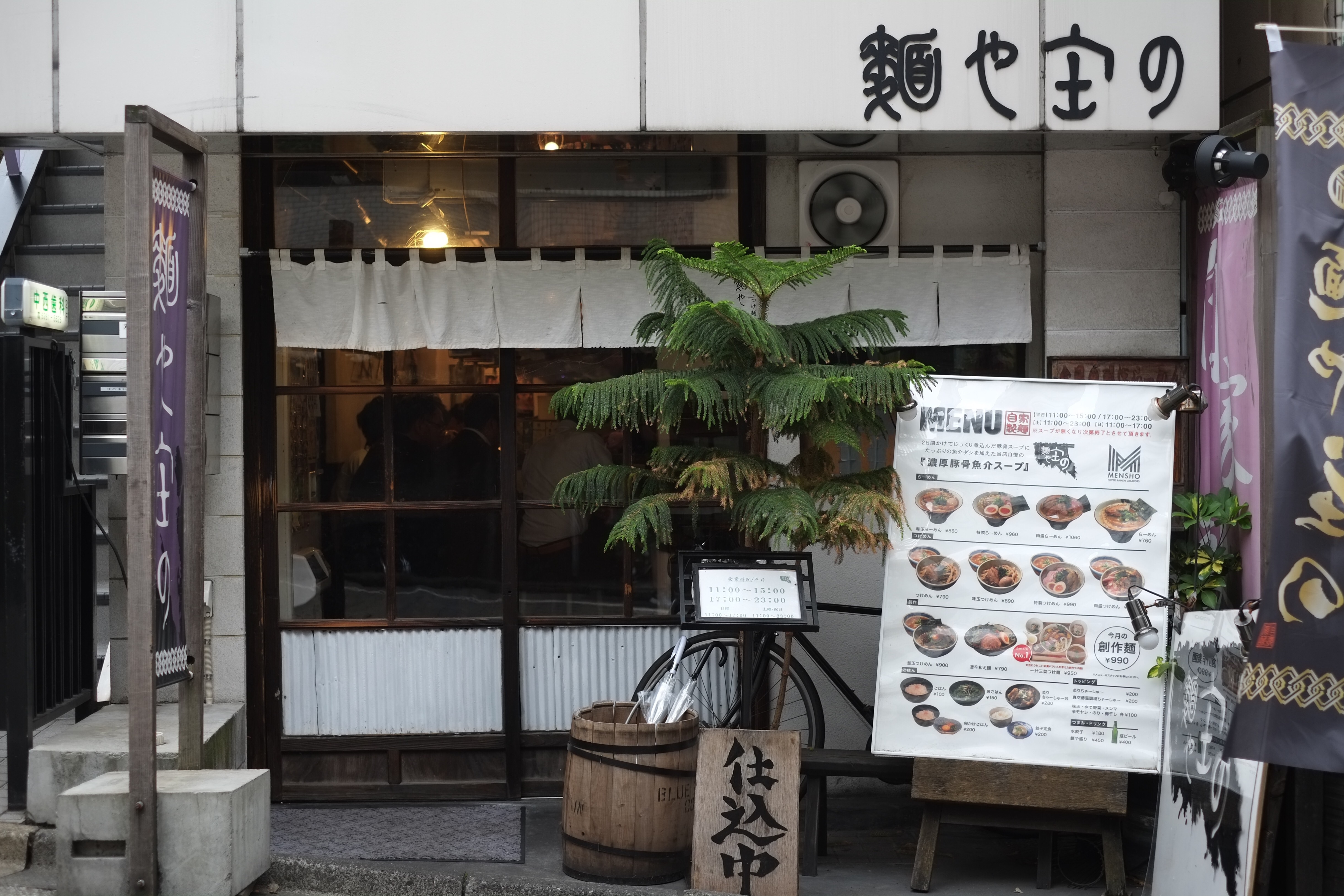
Menya Shono, courtesy of Brian’s Ramen Adventure blog was a perfect bowl of ramen. Whilst the ramen shop operates different concept shops, this one came highly recommended due to its mixture of pork bone stick with dried fish stock.


For relaxing times, it’s kissaten time

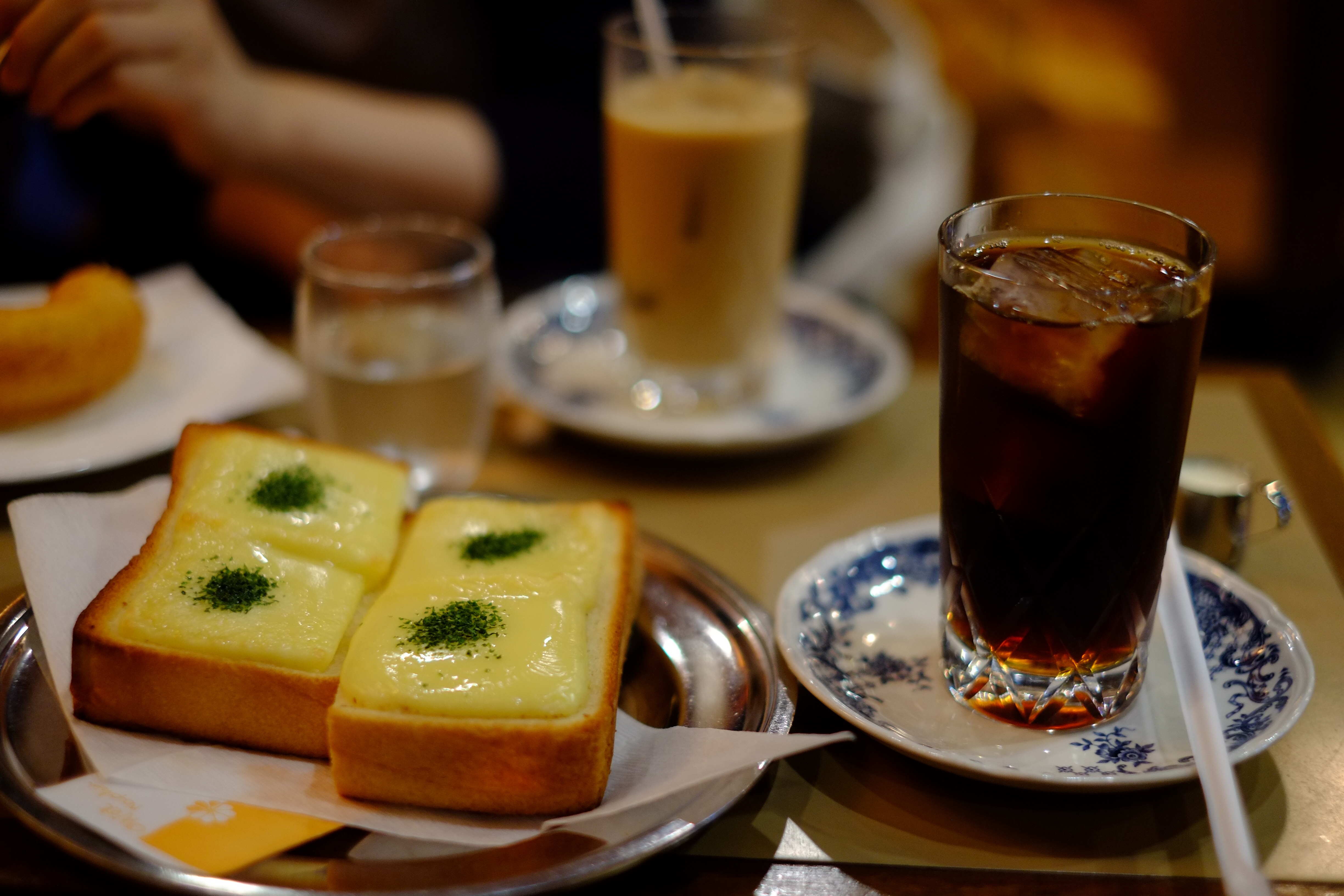
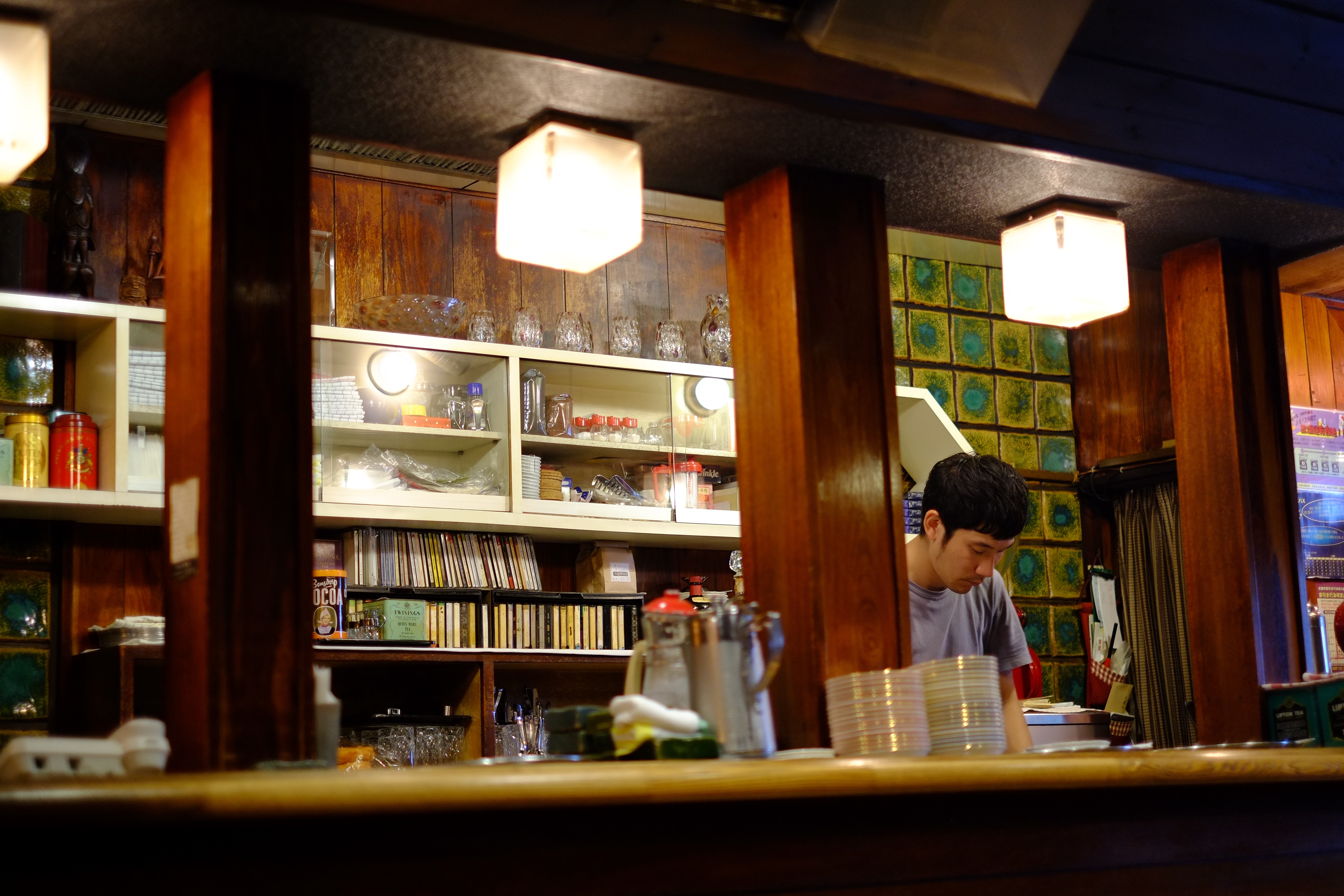
Always wanted to hit one of these places, an old school tea shop that also sells coffee. This is Japan’s precursor to the modern coffee shop. You can drink and smoke in peace, there’s no wifi and normally you find old guys hanging here. But today, in Kyoto, the patrons are young. It’s good to see that, it tells me that this shop will continue on.