Huaiyang cuisine (simplified Chinese: 淮扬菜; traditional Chinese: 淮揚菜; pinyin: Huáiyáng cài) is one of the traditions in Chinese cuisine. It is derived from the native cooking styles of the region surrounding the lower reaches of the Huai and Yangtze rivers, and centered upon the cities of Huai’an, Yangzhou and Zhenjiang in Jiangsu province. Although it is one of several sub-regional styles within Jiangsu cuisine, Huaiyang cuisine is widely seen in Chinese culinary circles[1] as the most popular and prestigious style of Jiangsu cuisine – to a point where it is considered to be amongst one of the Four Great Traditions (四大菜系) that dominate the culinary heritage of China, along with Cantonese cuisine, Shandong cuisine and Sichuan cuisine.
I’m not an expert Nor have I tried this cuisine before. Credit Wiki for the introduction.
Huaiyang cuisine is known for its use of normal day ingredients that are indigenous not only from the region but from the average Chinese household in that region. It is well known for its artistic and knife skills.
Look at the knife work on these starters ! The humble turnip pickled and button mushroom lightly braised in soy.
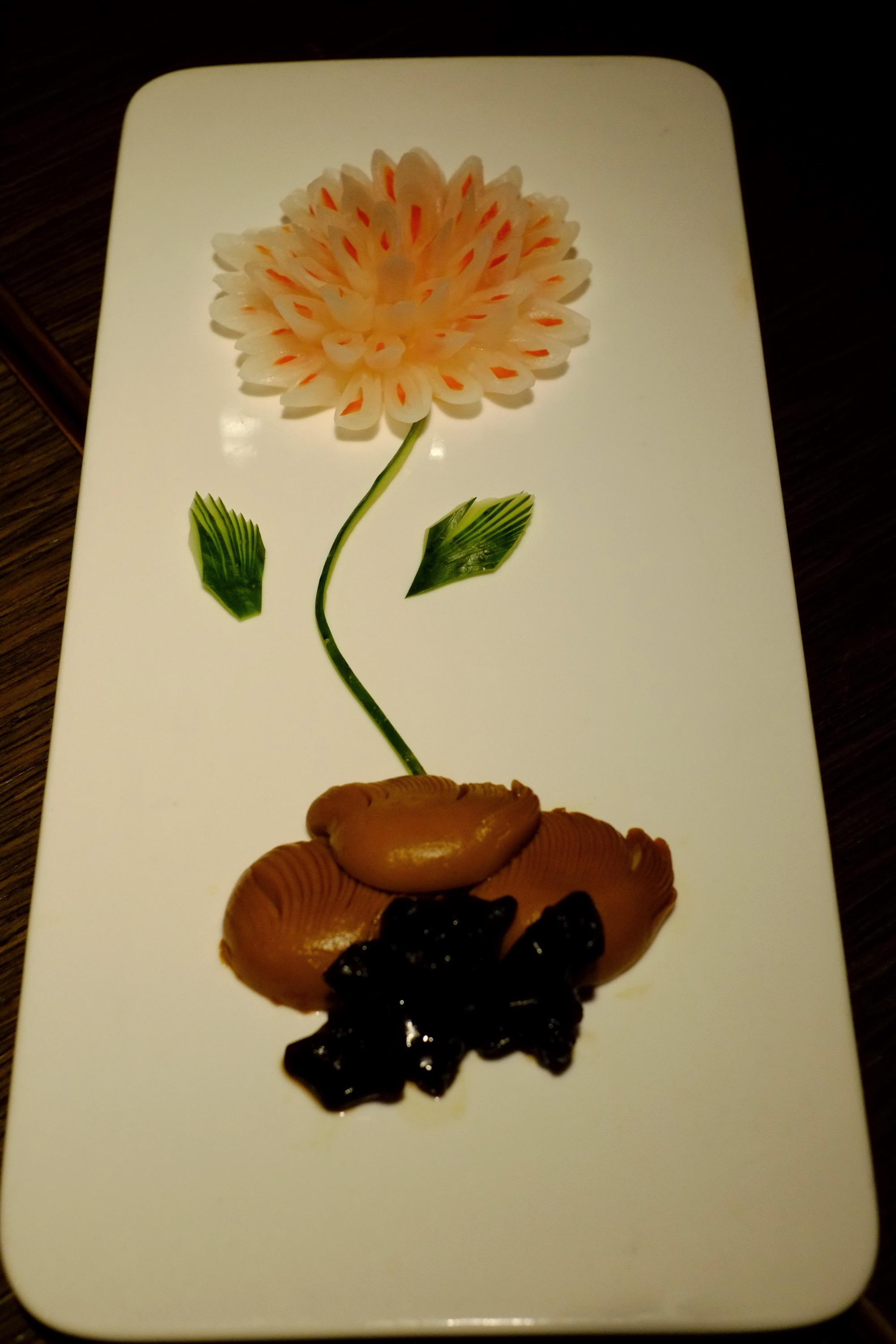
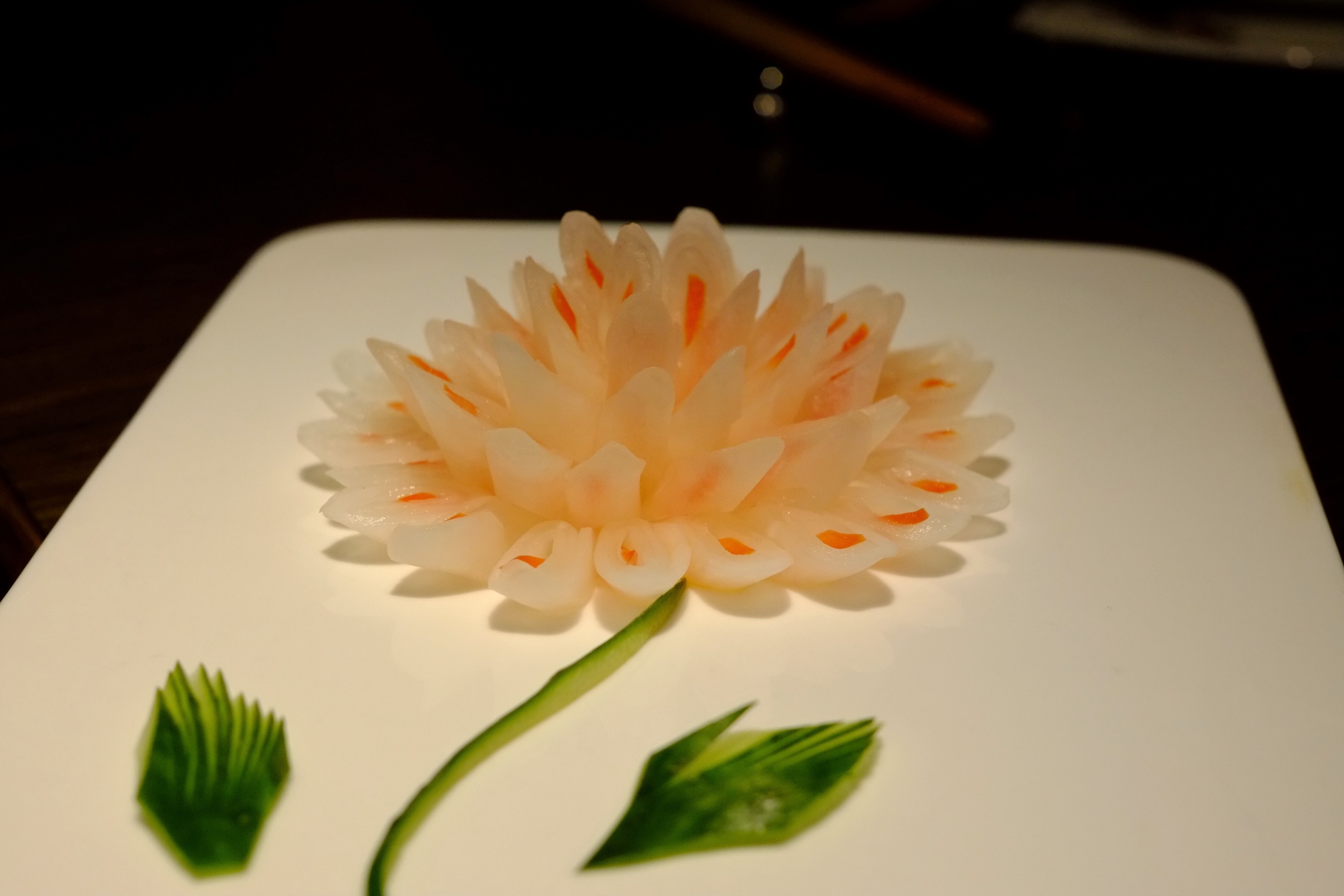
This weaves through the entire meal. Tofu shredded to emulate flower petals.

And cabbage made to look like blossoming water lotus.
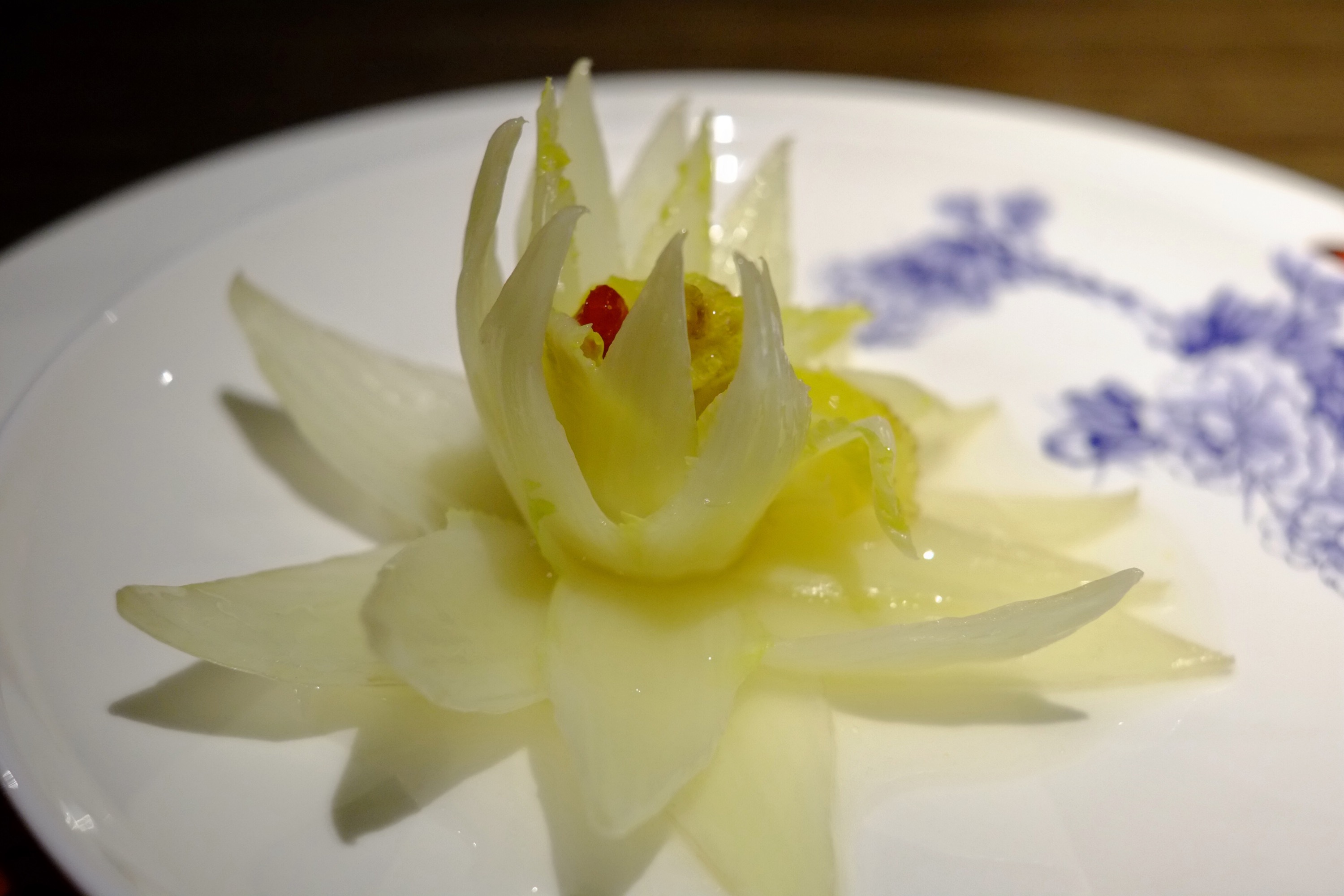
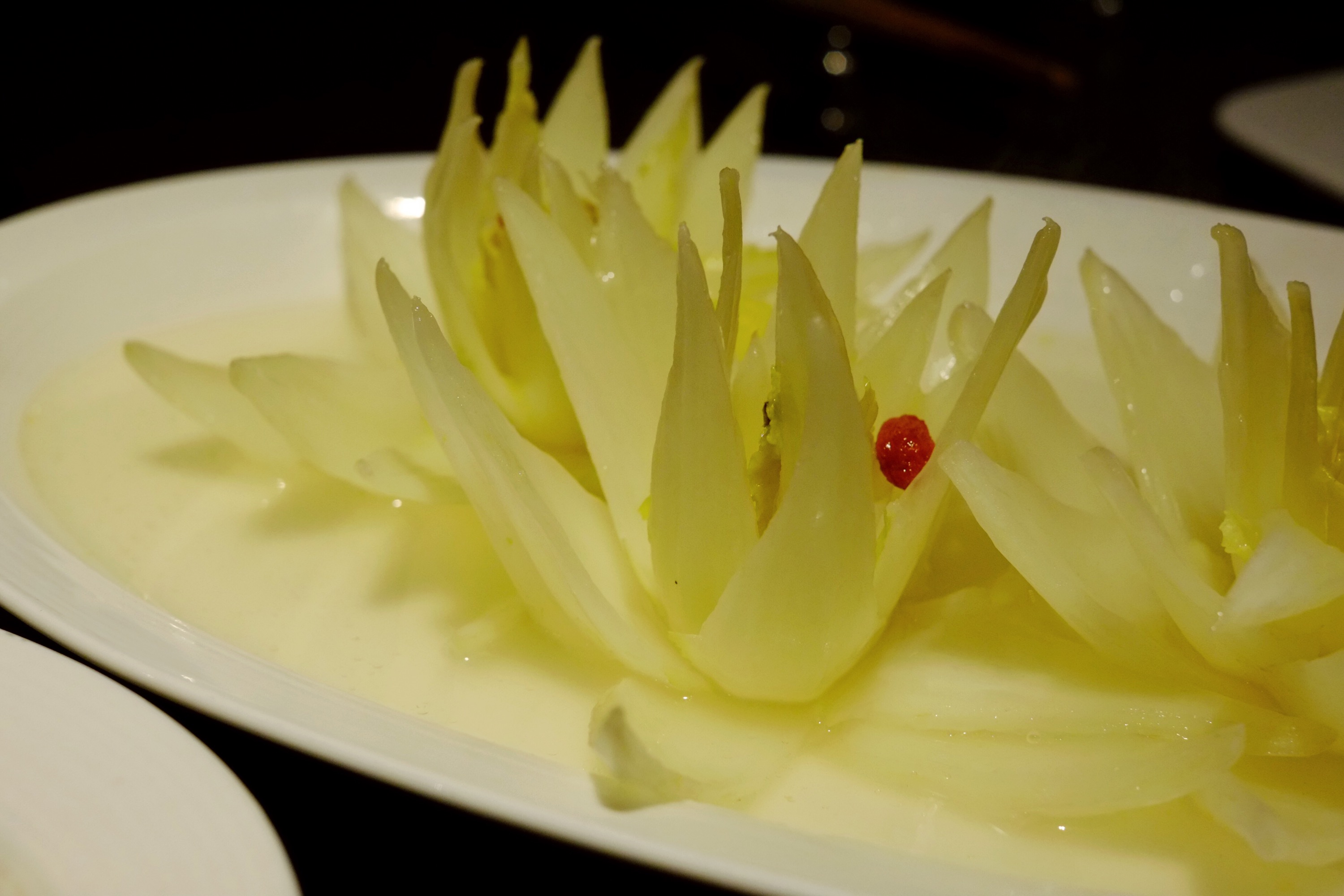
Whist we do eat with our eyes, these dishes are not only pretty, and insufficient with flavour, but they are far more delicate and balanced than what I had expected- thinking the proximity to Shanghai would reproduce that region’s bold tastes. No, these flavours are complex and deep, akin to Cantonese cuisine. Whist we do eat with our eyes, these dishes are not only pretty, and insufficient with flavour, but they are far more delicate and balanced than what I had expected- thinking the proximity to Shanghai would reproduce that region’s bold tastes. No, these flavours are complex and deep, akin to Cantonese cuisine.

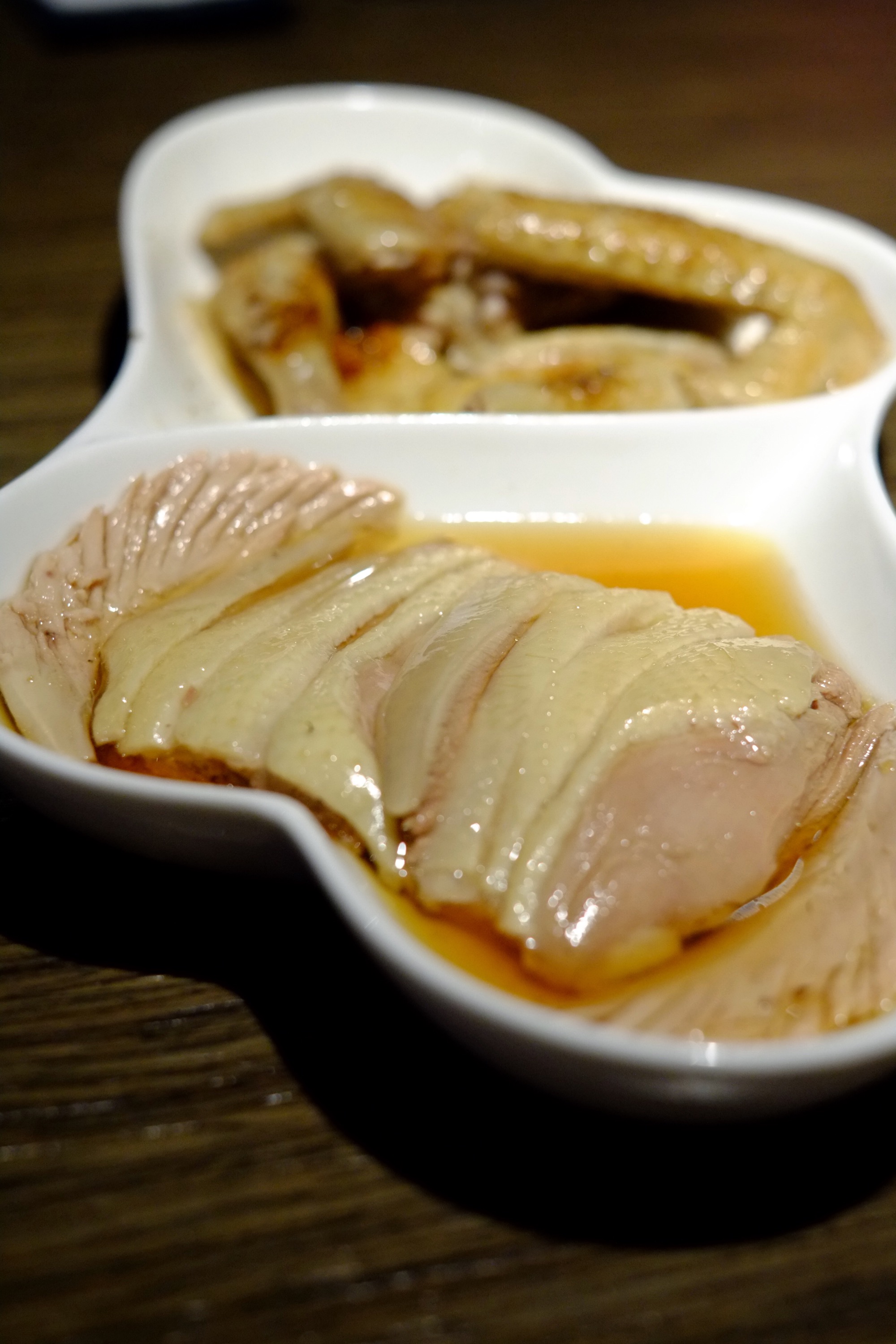

One of the surprise dishes was pigeon two ways- drunken pigeon breast and flash fried legs and wings dusted with a spice mixture.
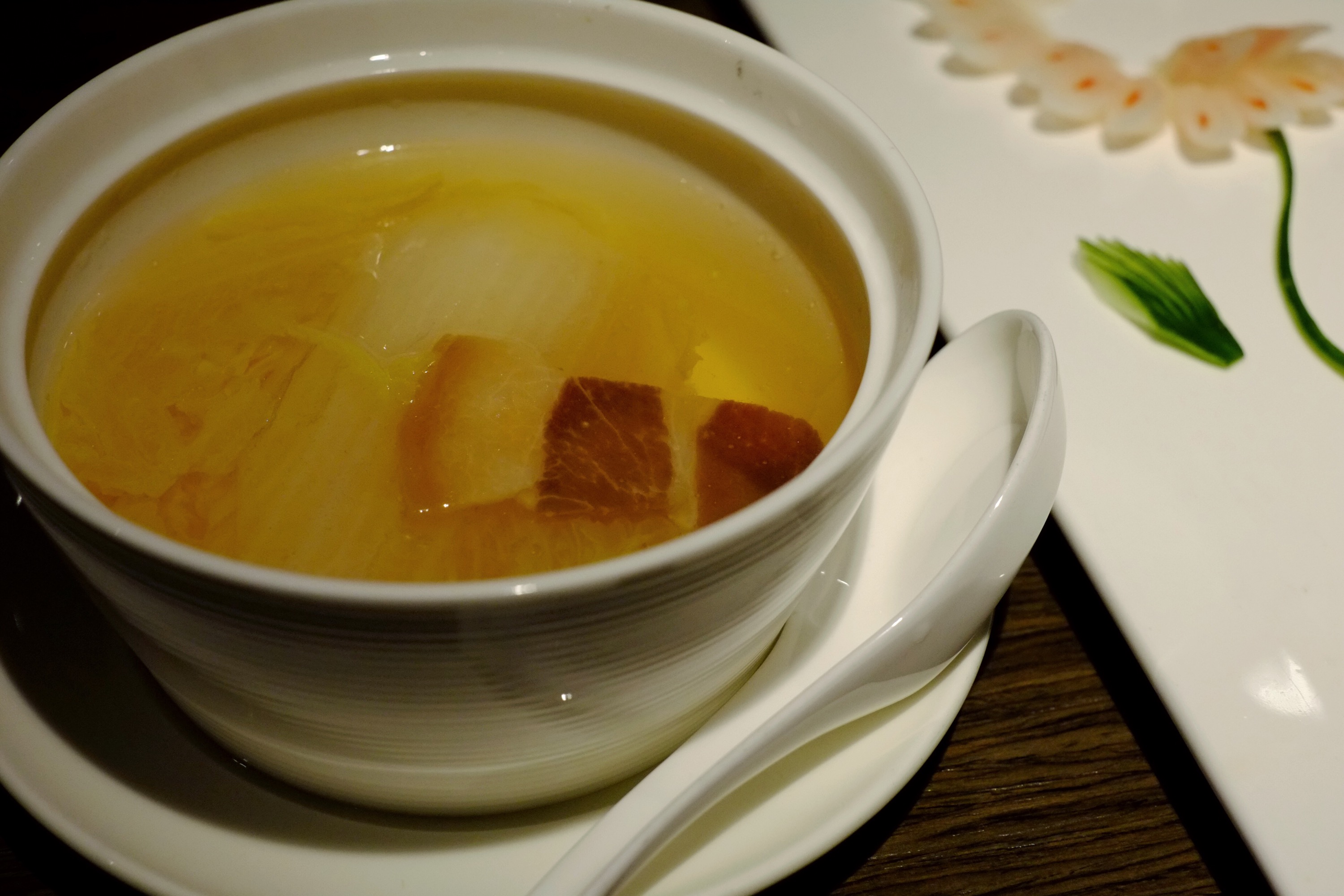
The fish is an indigenous specie from the region. Unfortunately the fish has to be flown in frozen. It’s steamed with Jinhua ham and fermented rice. It’s equally subtle, tart and salty (good! salt and umami from the ham)
We did take a detour with an order of Peking duck.
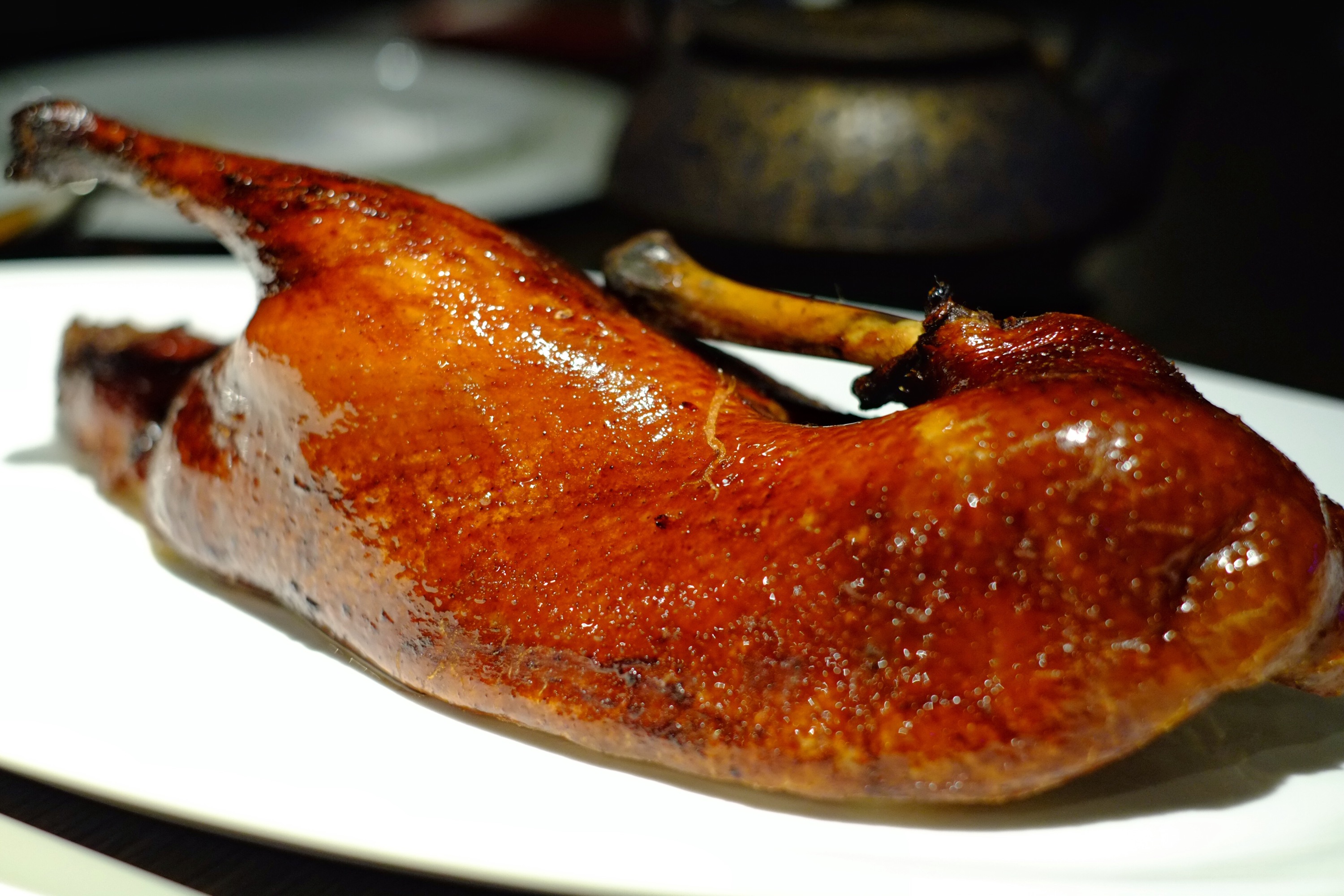

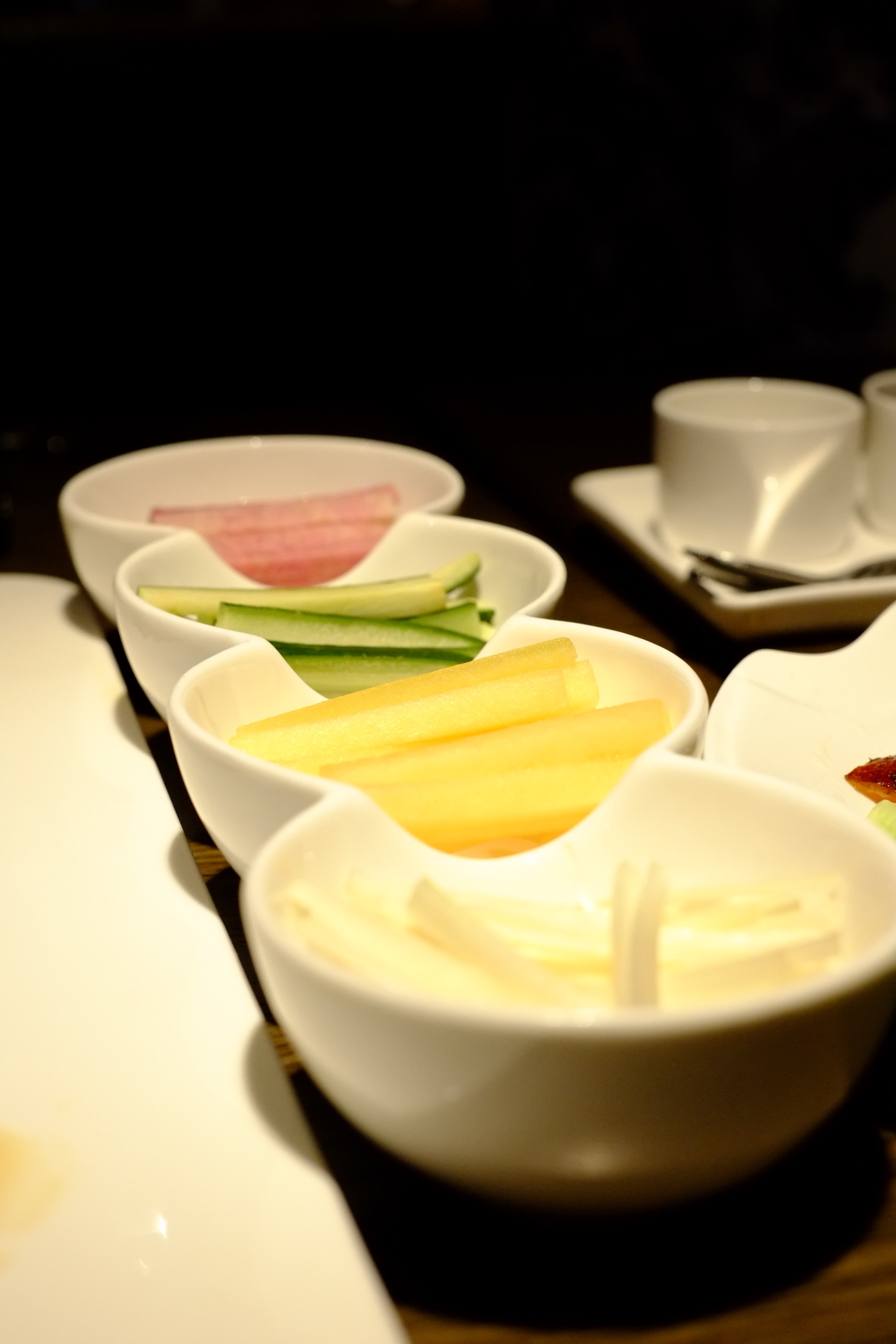

Gorgeous crackly skin and an amazingly thin pancake and a superb sauce. Meat was on the bland side though.
The last two dishes took us back to traditional cuisine with a crispy rice soup and braised pork belly in vinegar. The soup draws you deeper and deeper with each spoonful, bringing you back to something familiar in Chinese home flavours while the spoon tender belly lacked depth in flavour- sadly as the wait staff and kitchen forgot the original order and had to rush this one out.
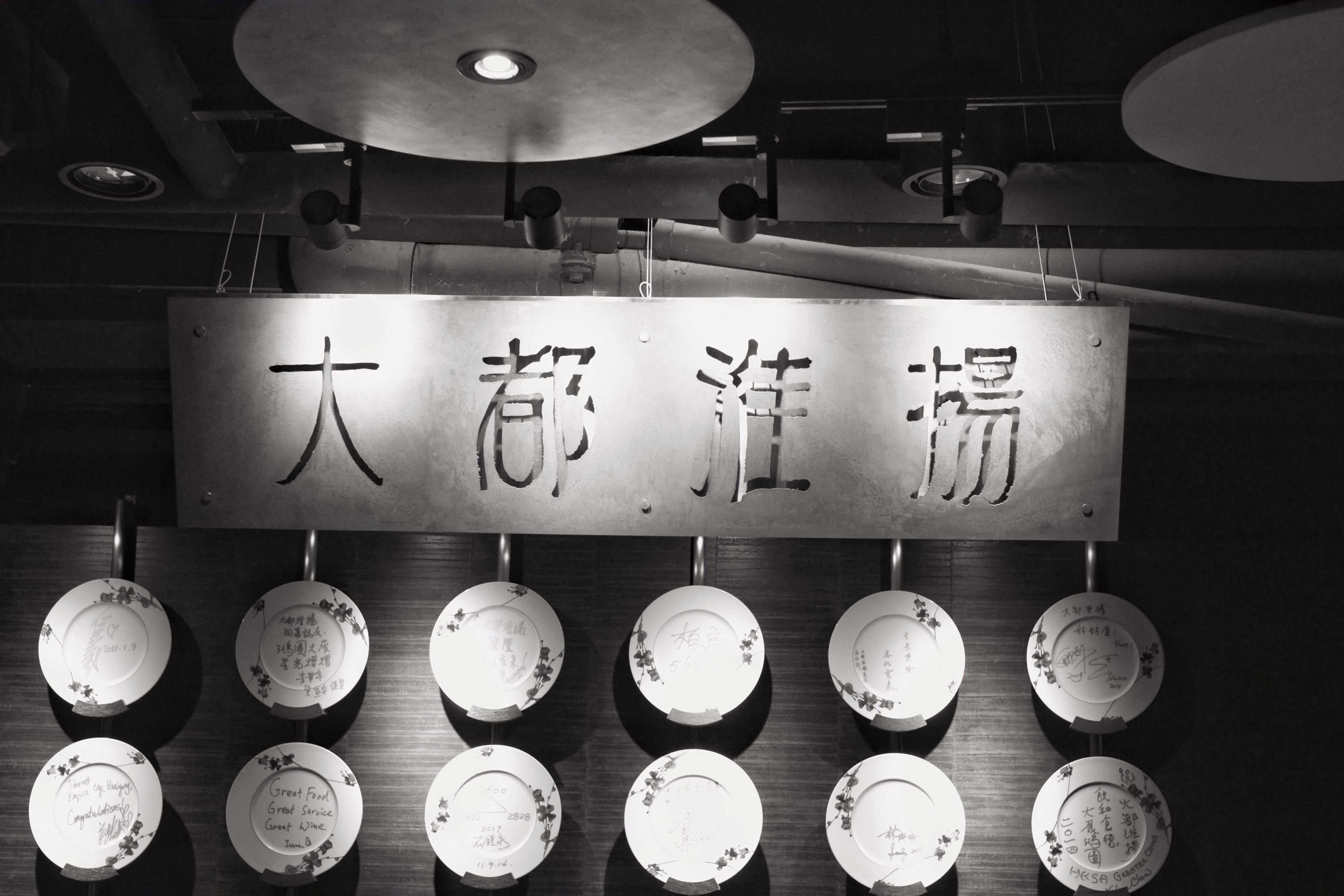
Empire is a beautifully designed restaurant with an exceedingly good food, one I’d look forward to visiting on my next trip back.





 thebearandhiscigar