Y.S. shall stay as a secret location. This is purely a photo essay for an amazing breakfast I had today.
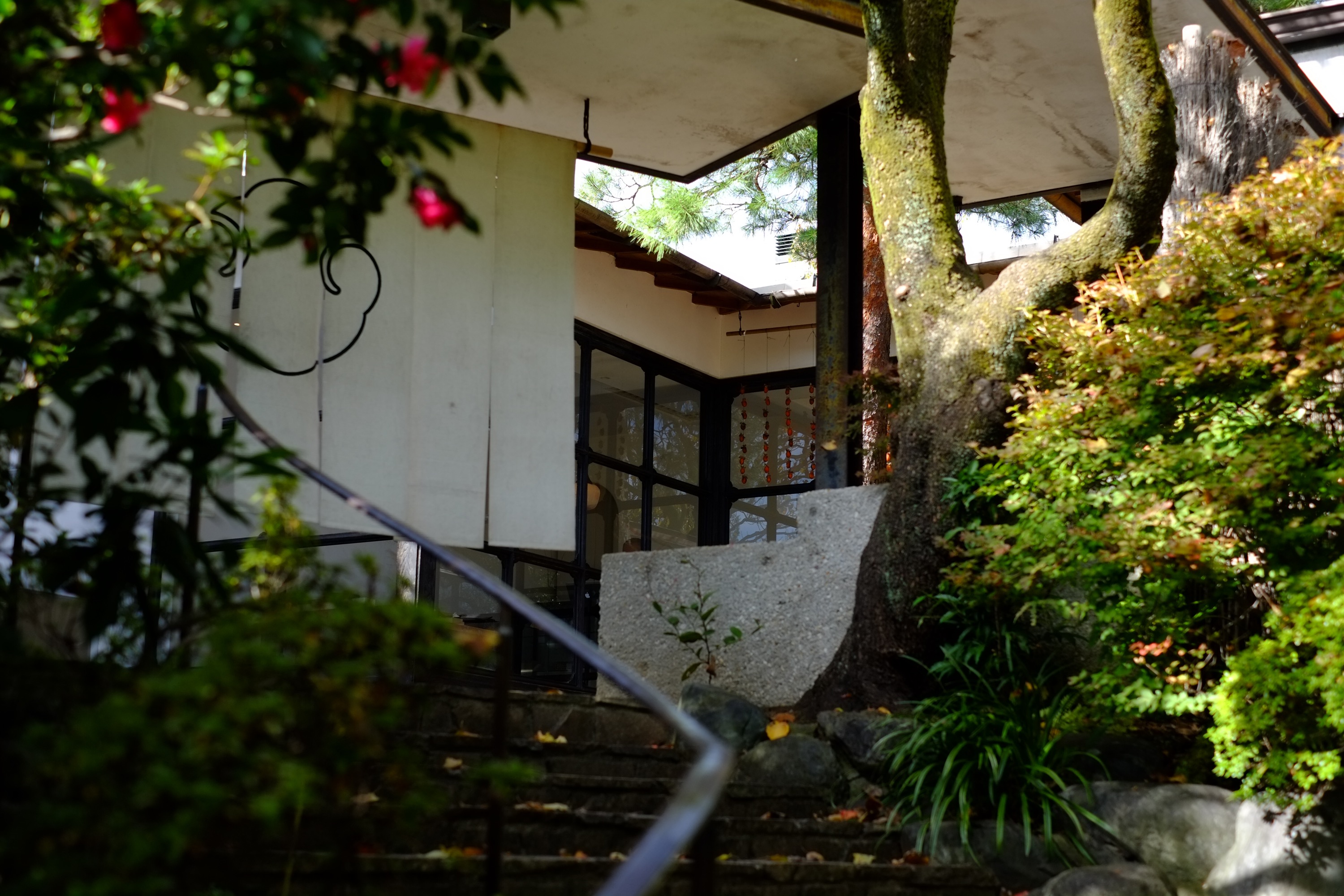
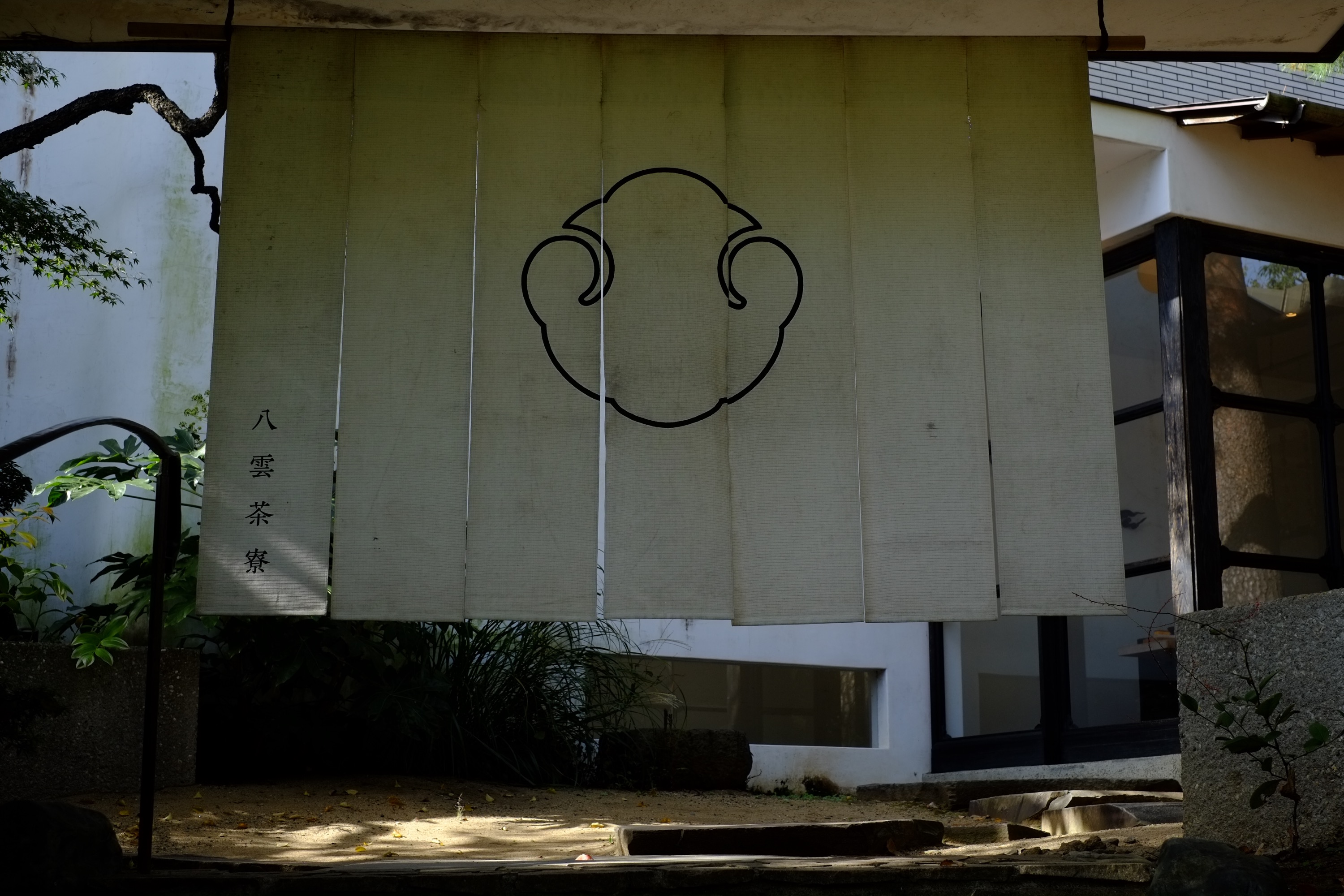
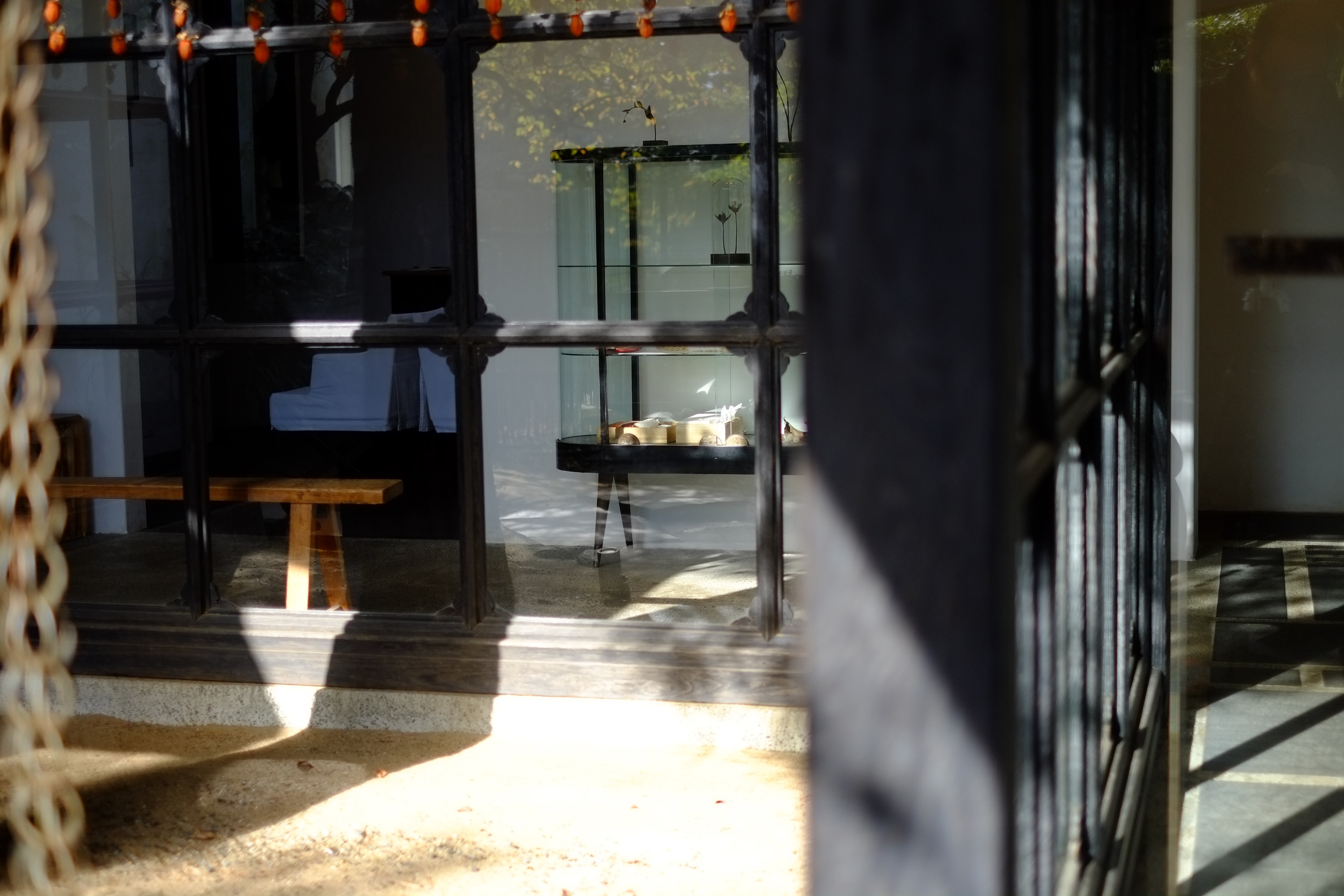
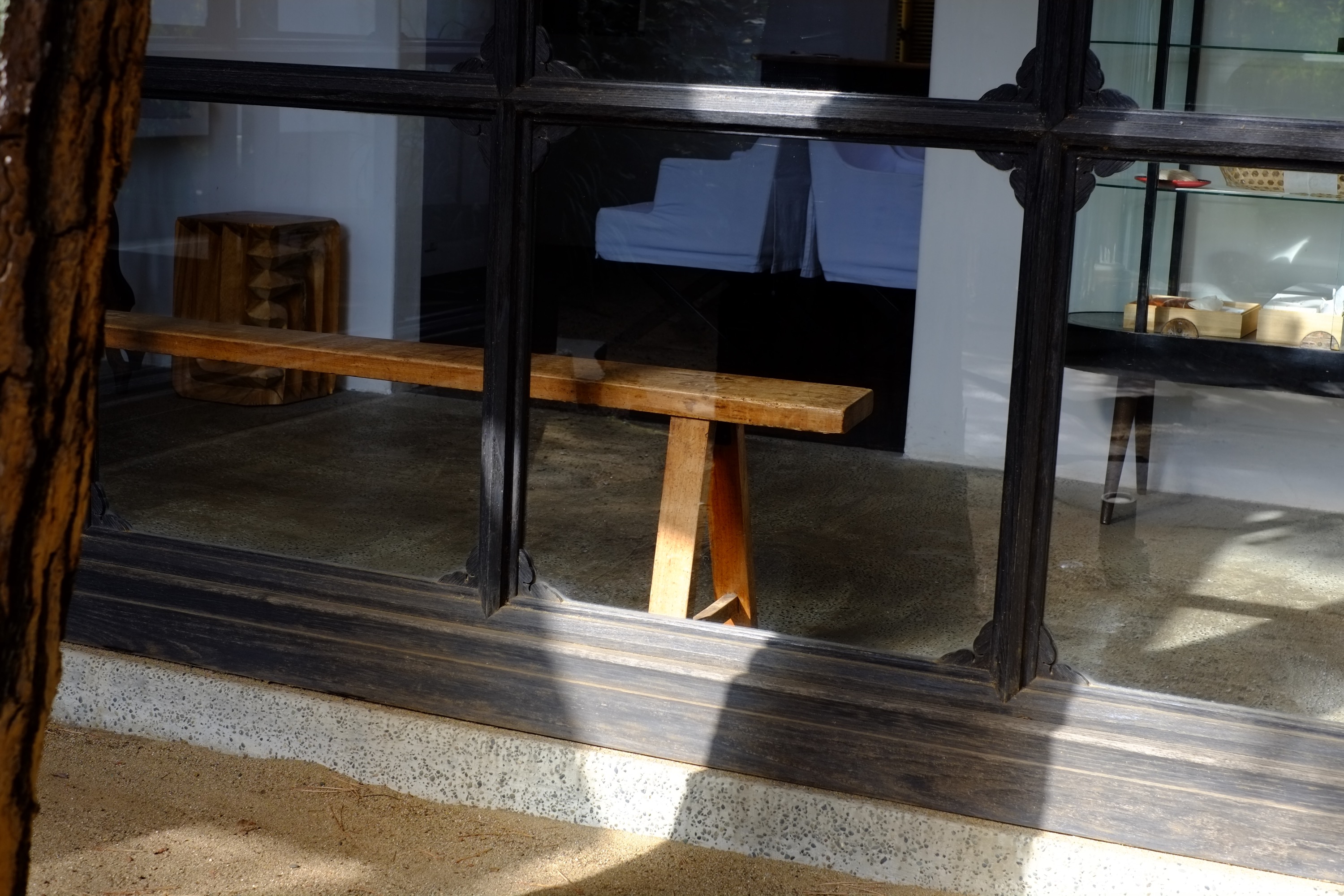
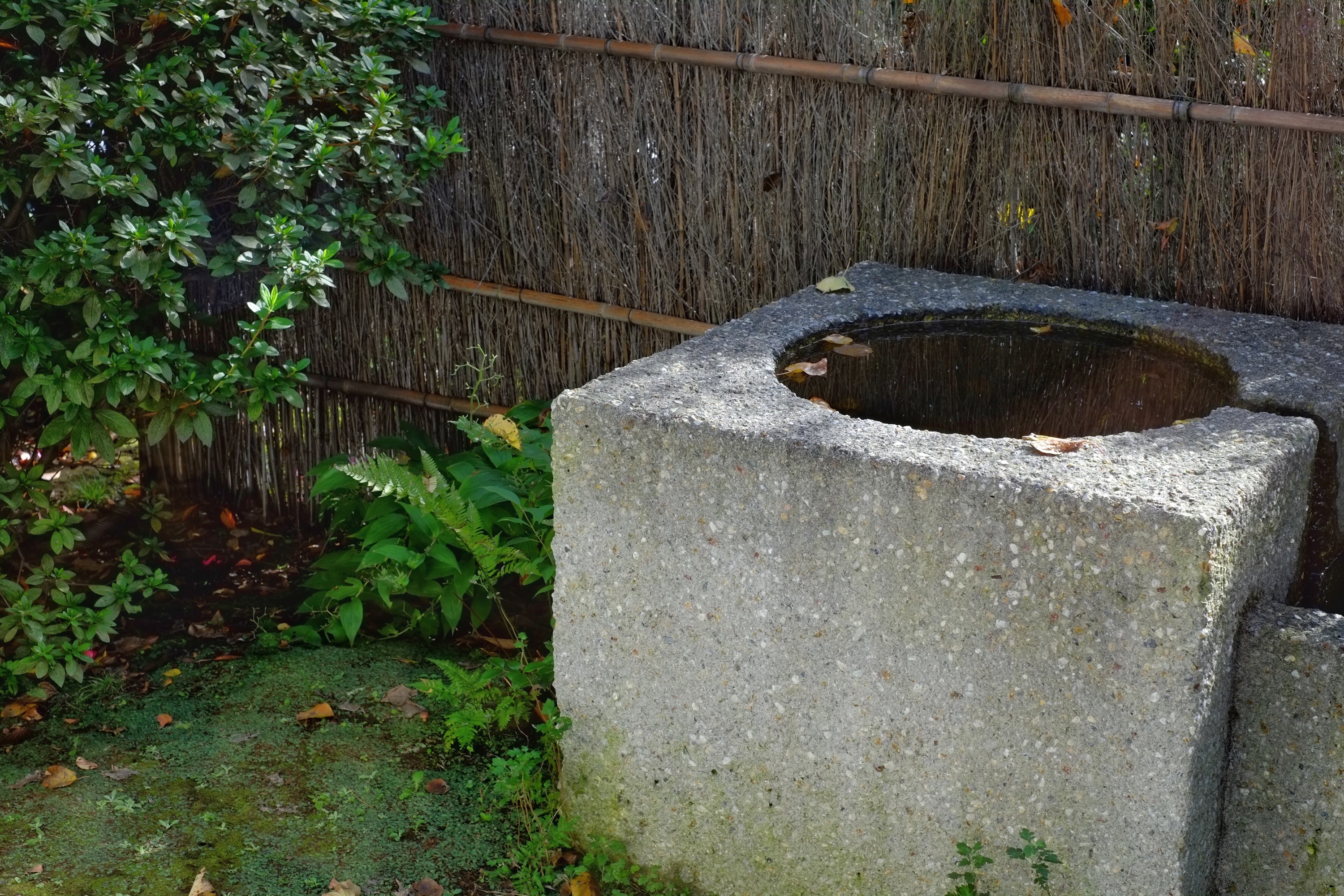

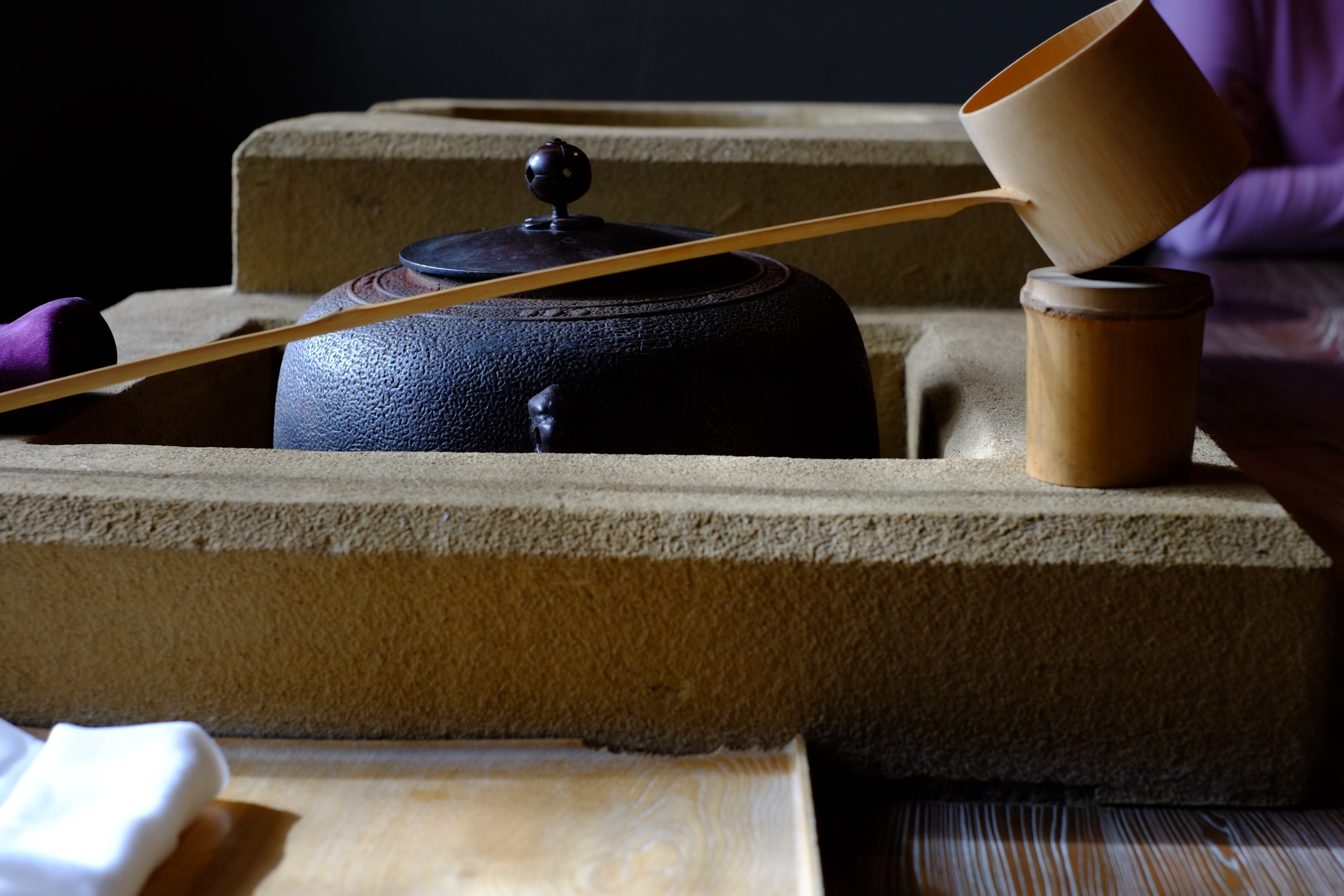


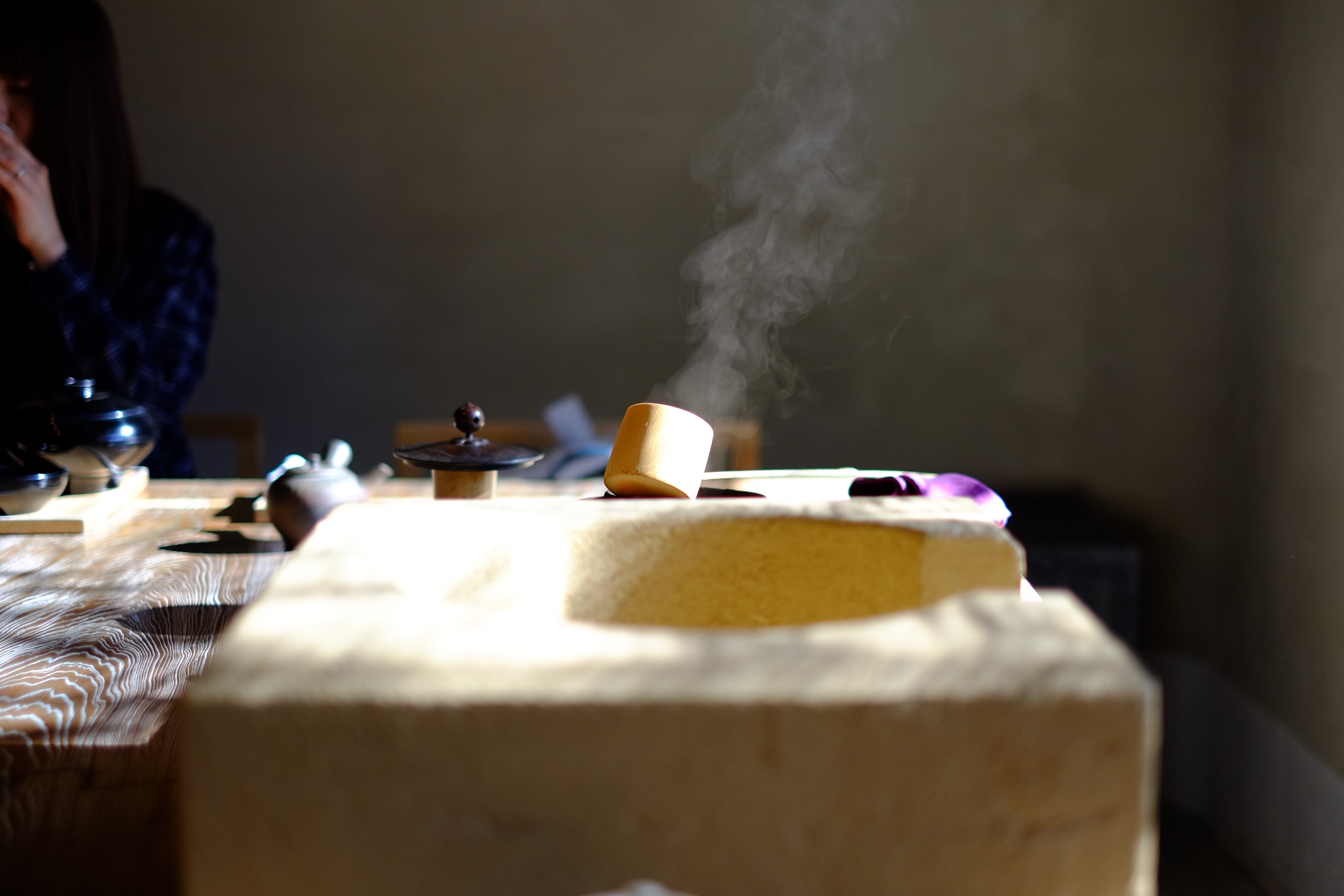
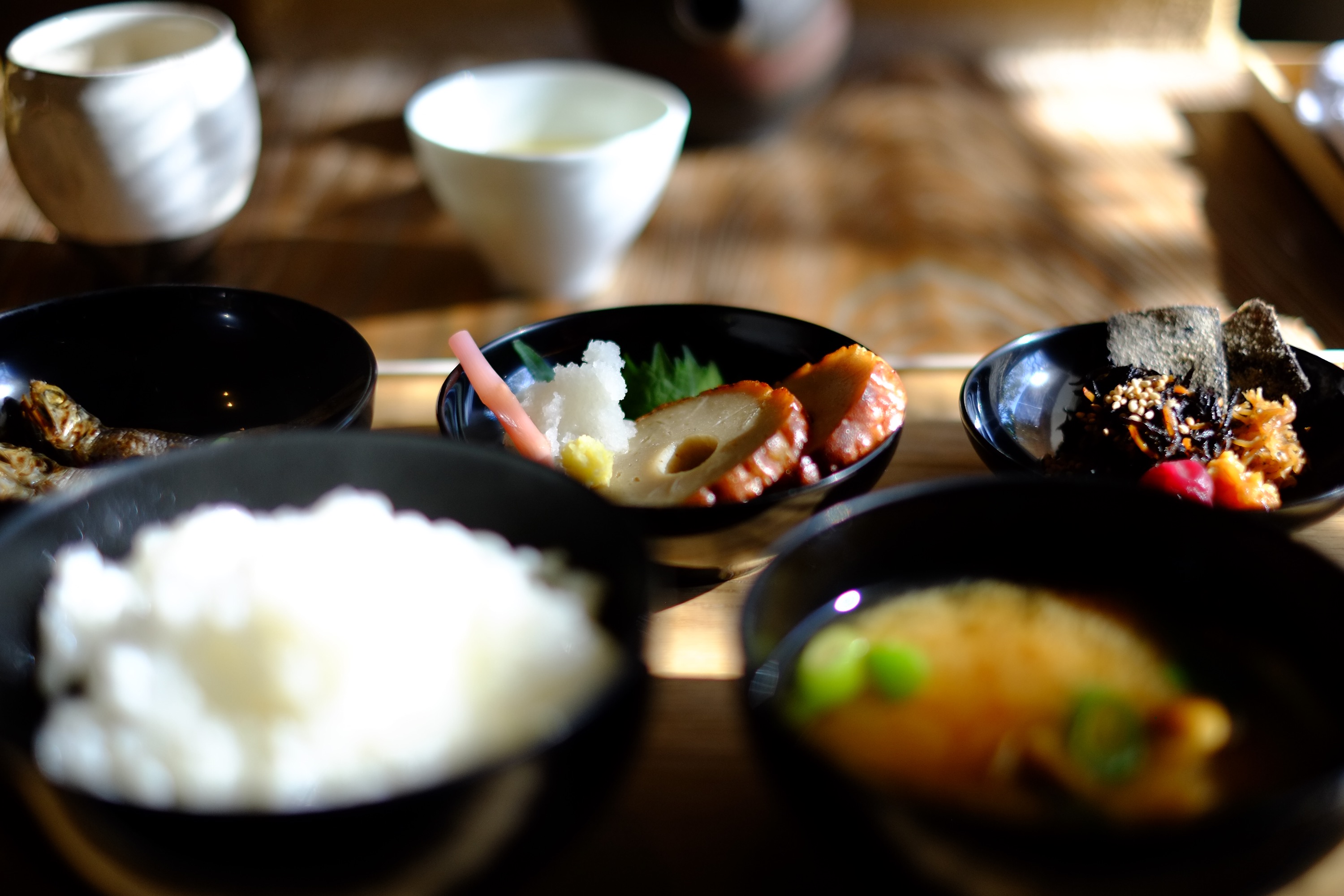
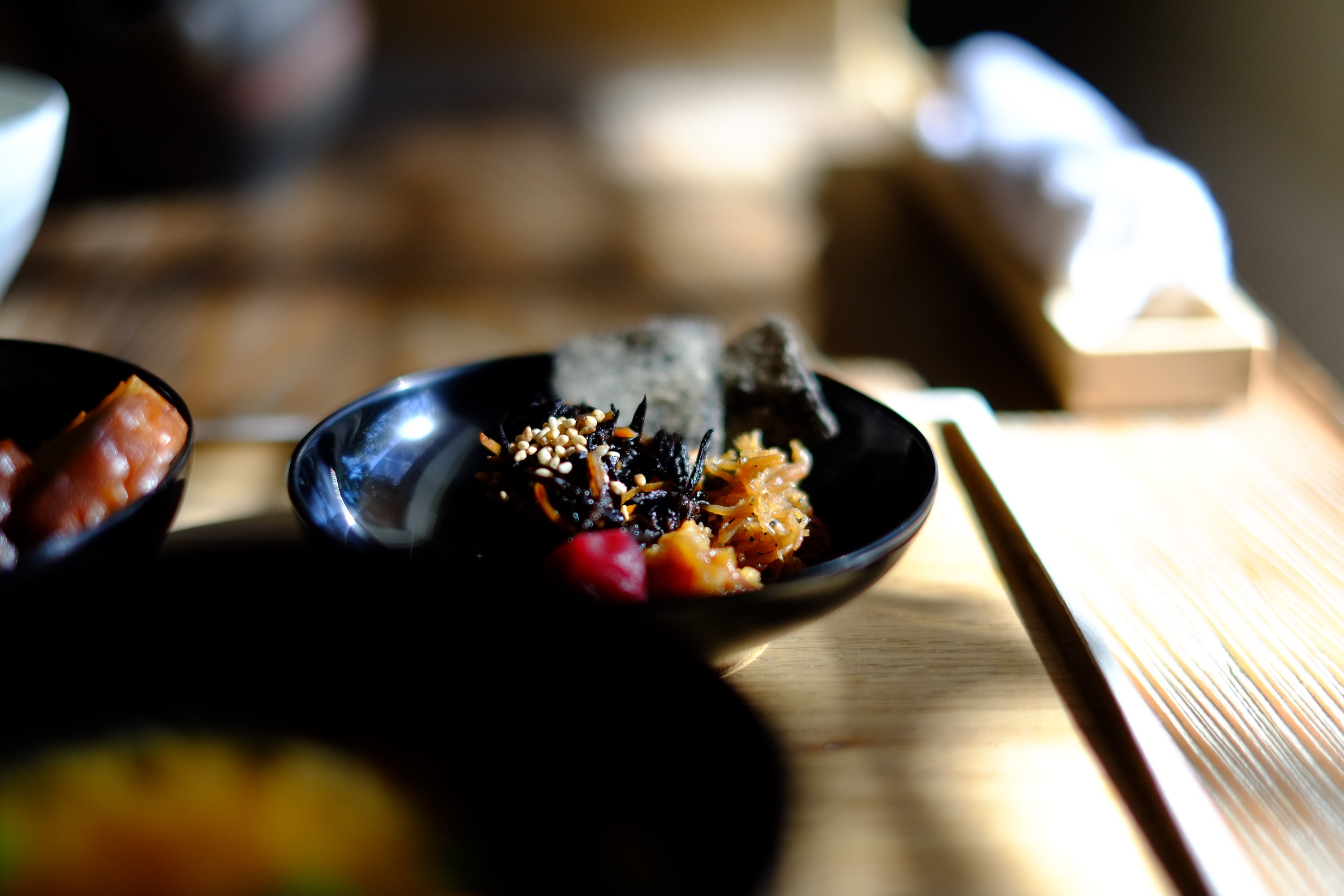


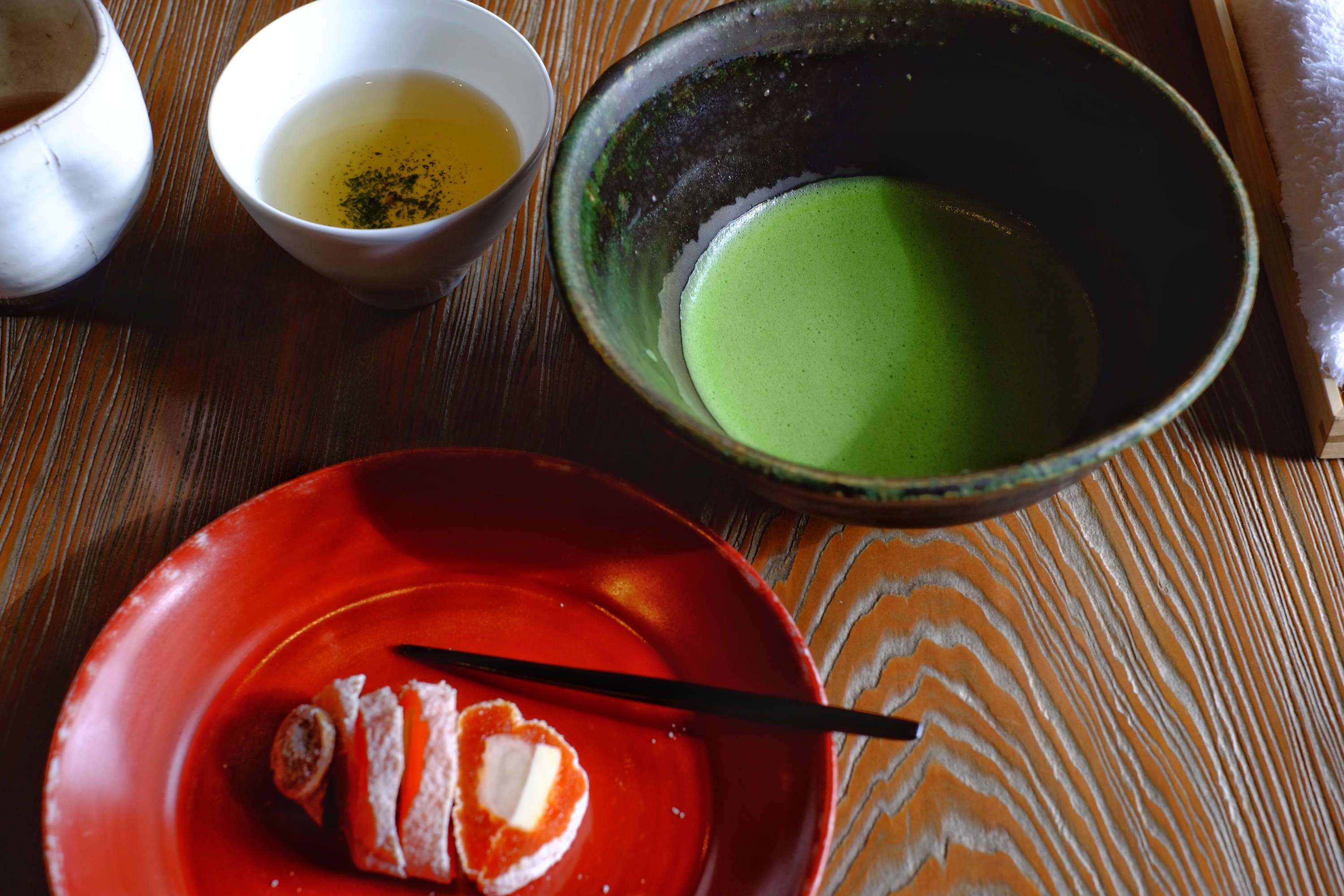
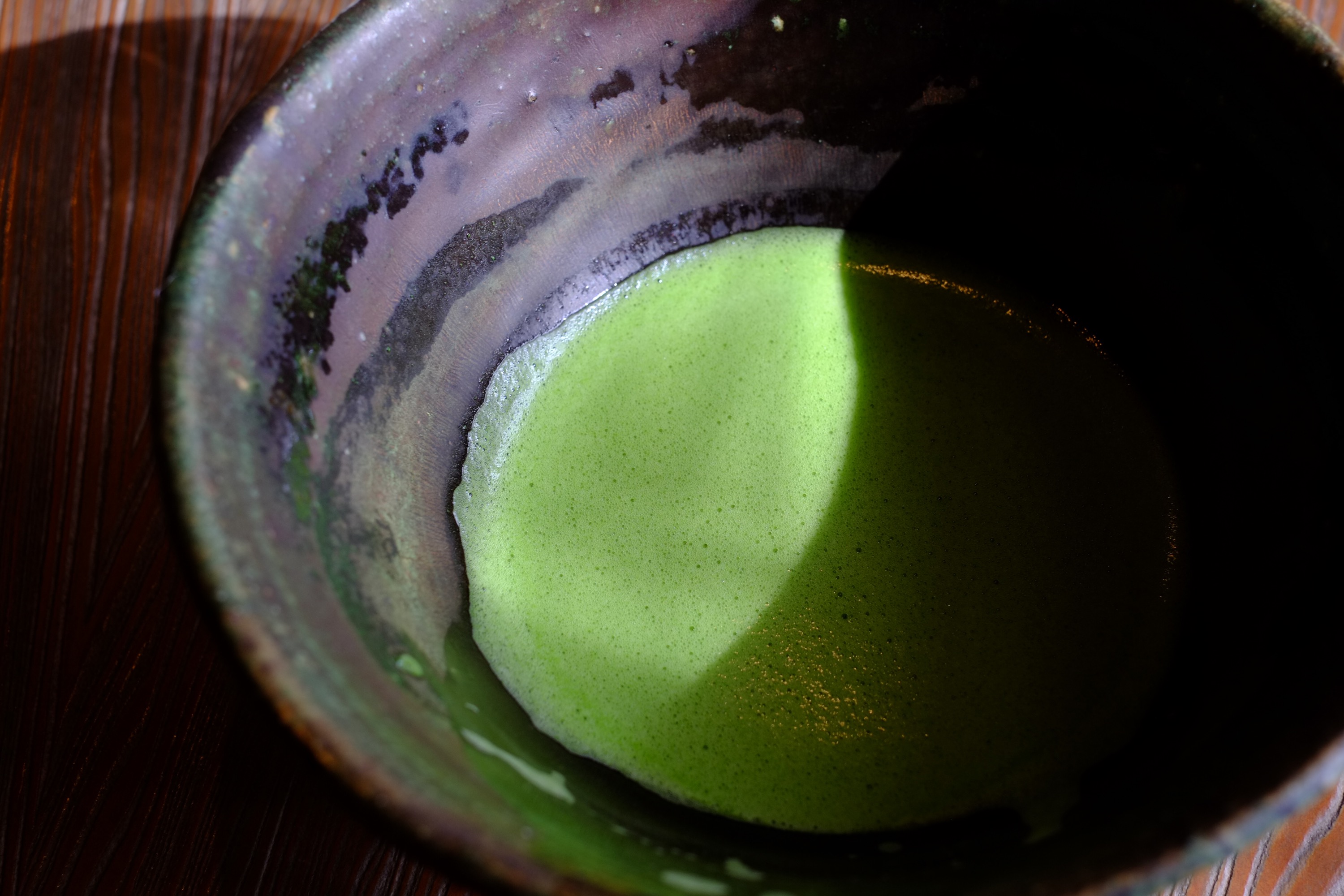
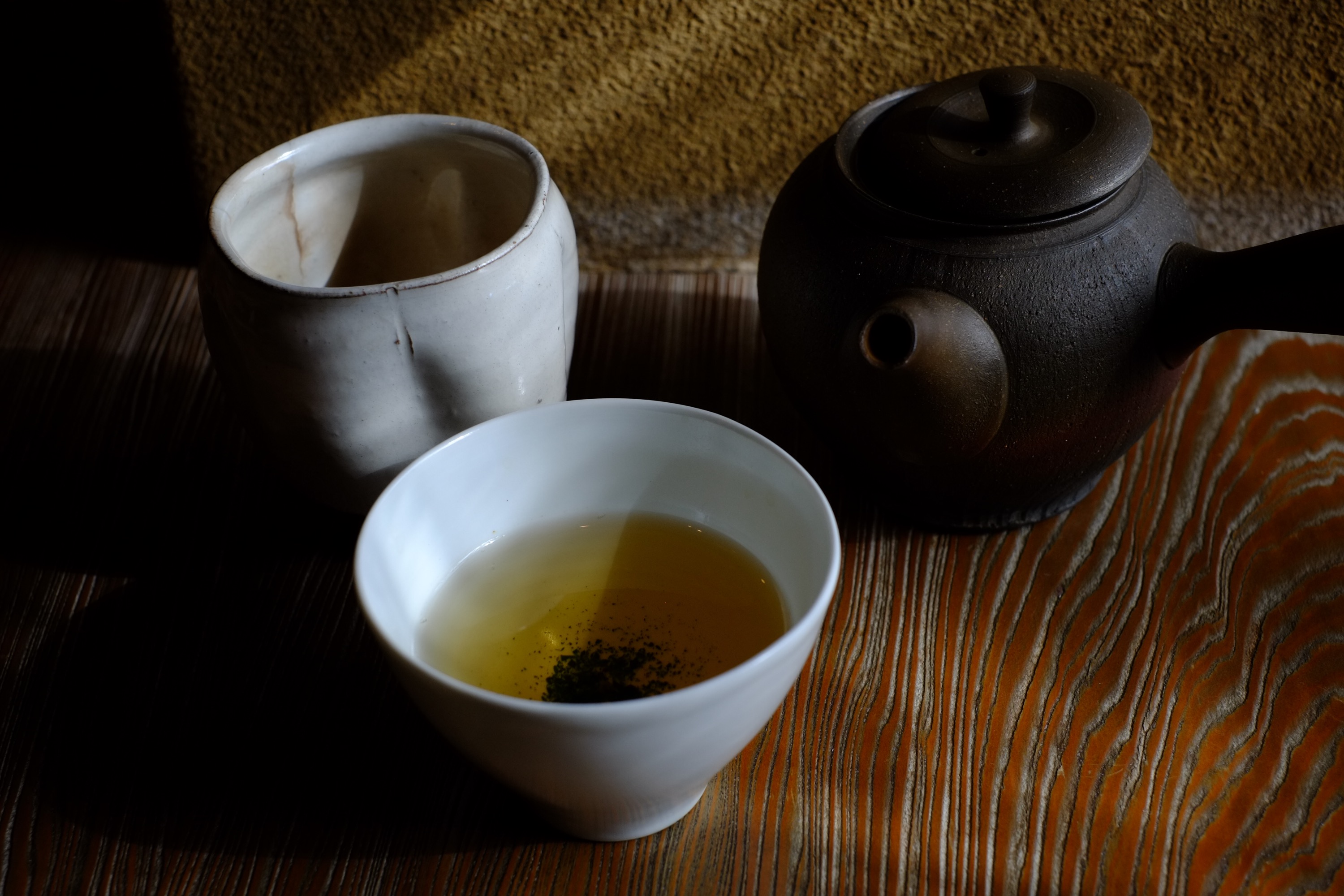


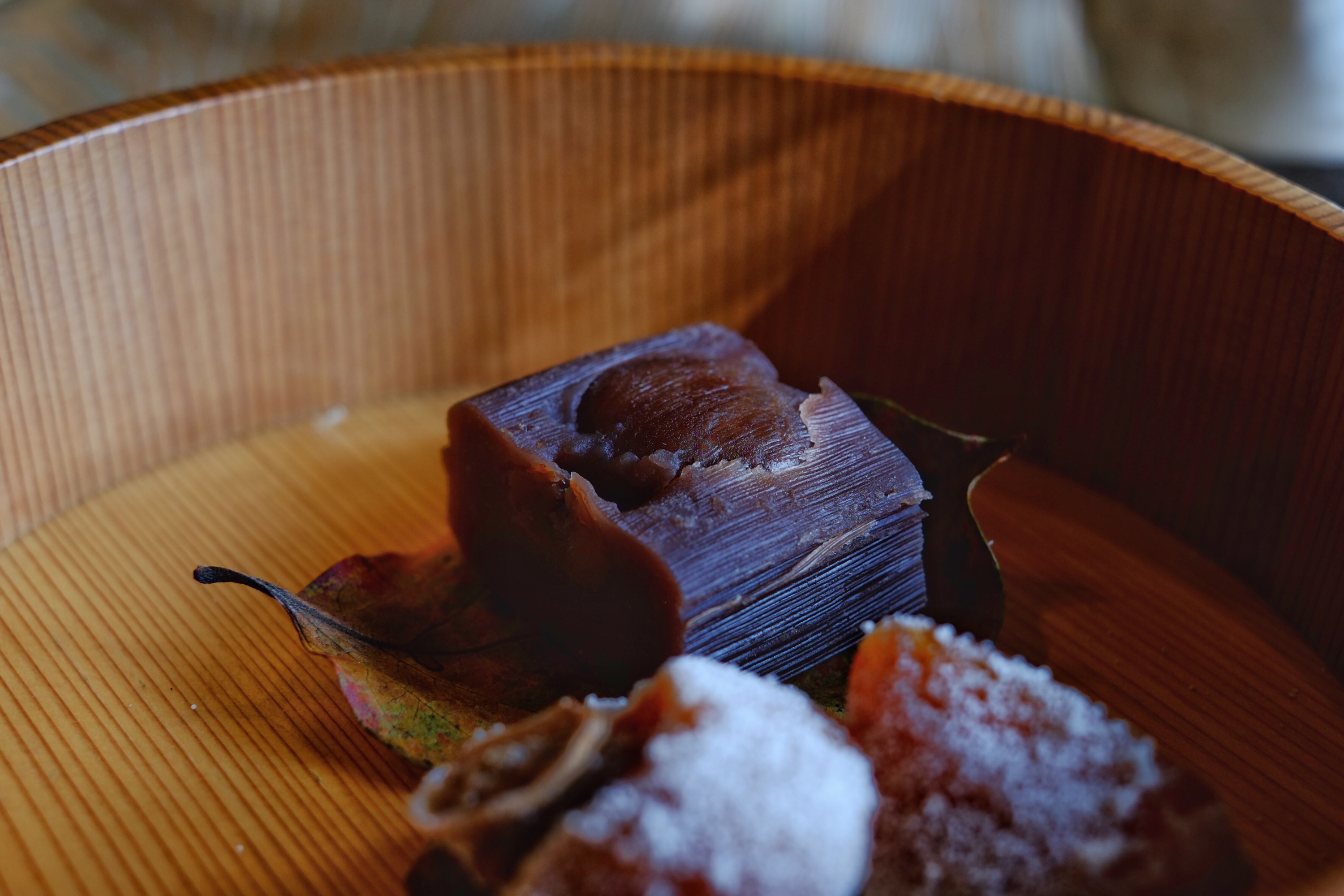
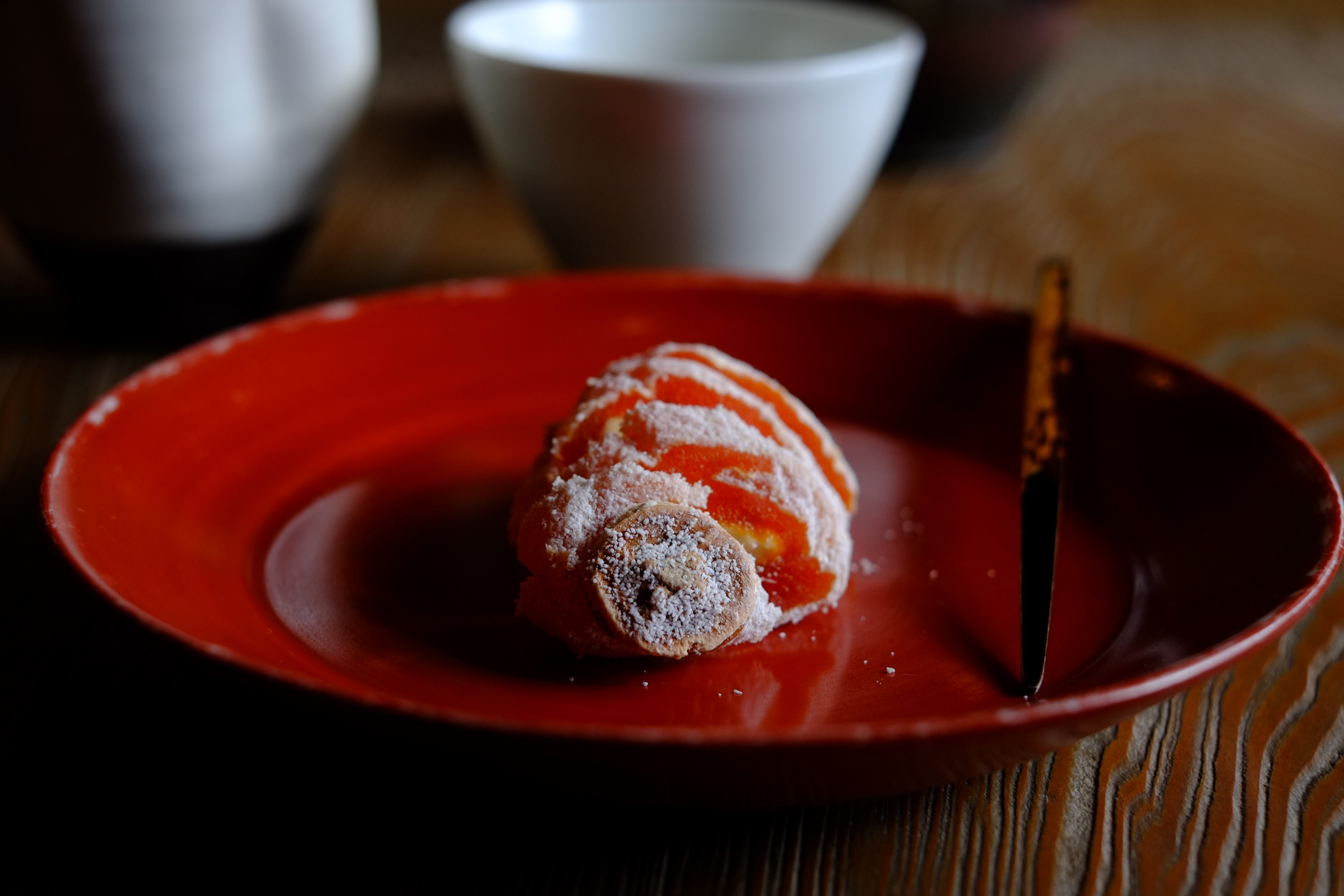

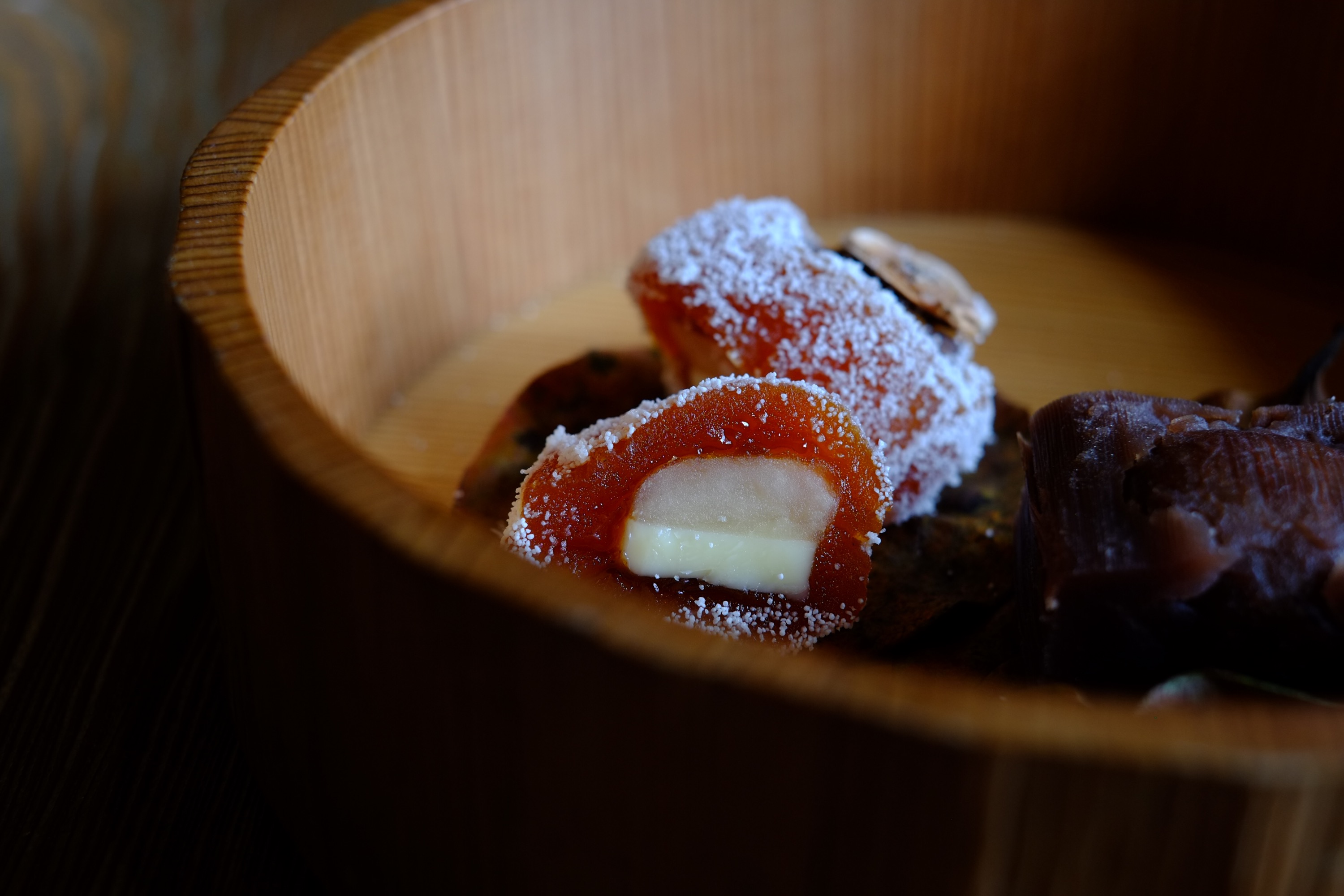
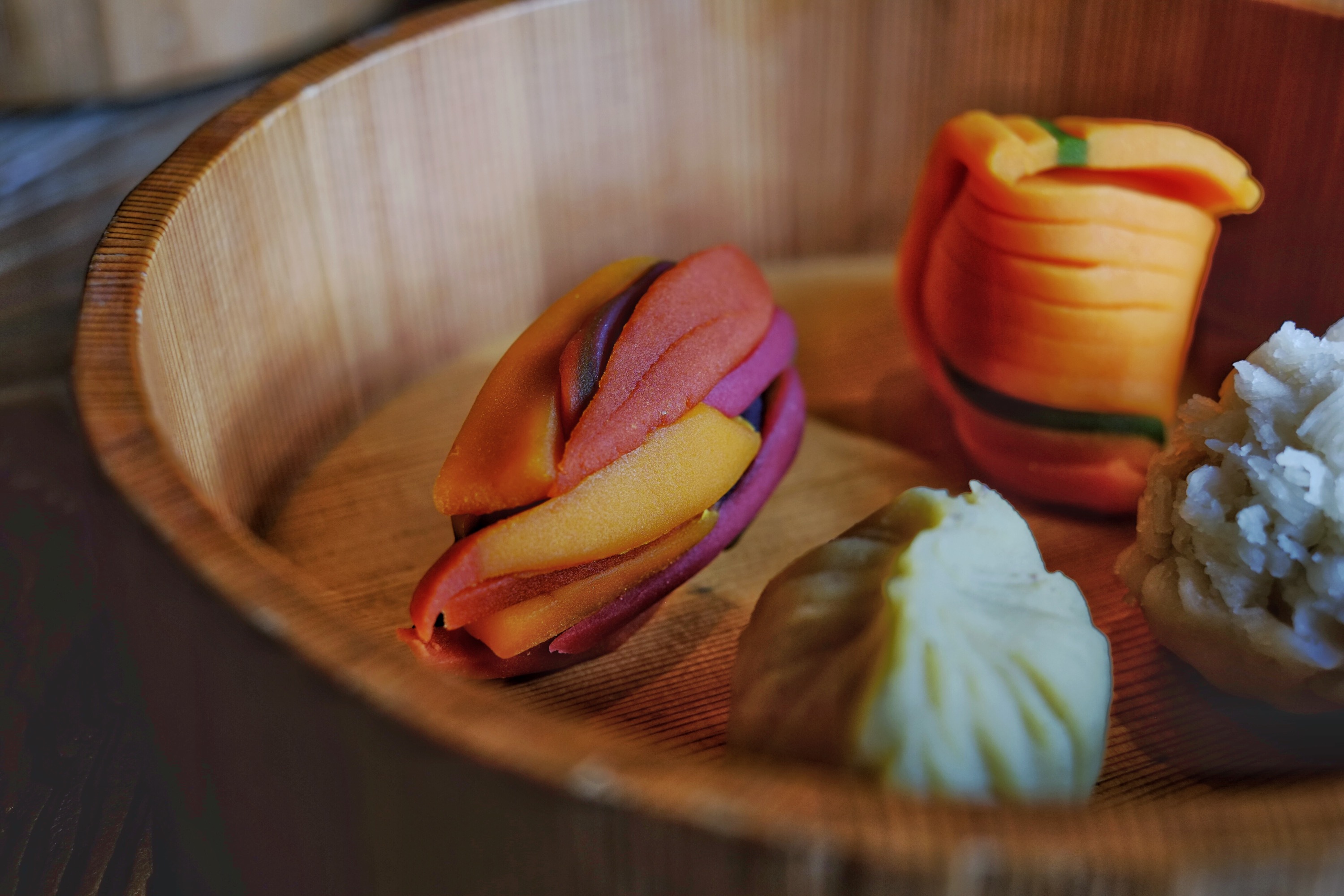


Y.S. shall stay as a secret location. This is purely a photo essay for an amazing breakfast I had today.
Life is Bear Pond Espresso
Believe the hype
I found myself spending too much for an Uber to get coffee and lunch.
The first stop is Bear Pond Espresso.This little mythical coffee place as been around for a number of years and have gained notoriety for Katsu Tanaka’s quirkiness and temper.
The day I visited, I found a half opened shop past it’s advertised 10:30 am opening time.

Feeling a little frustrated, I walked around the Neighbourhood to find a charming little corner away from Tokyo central.

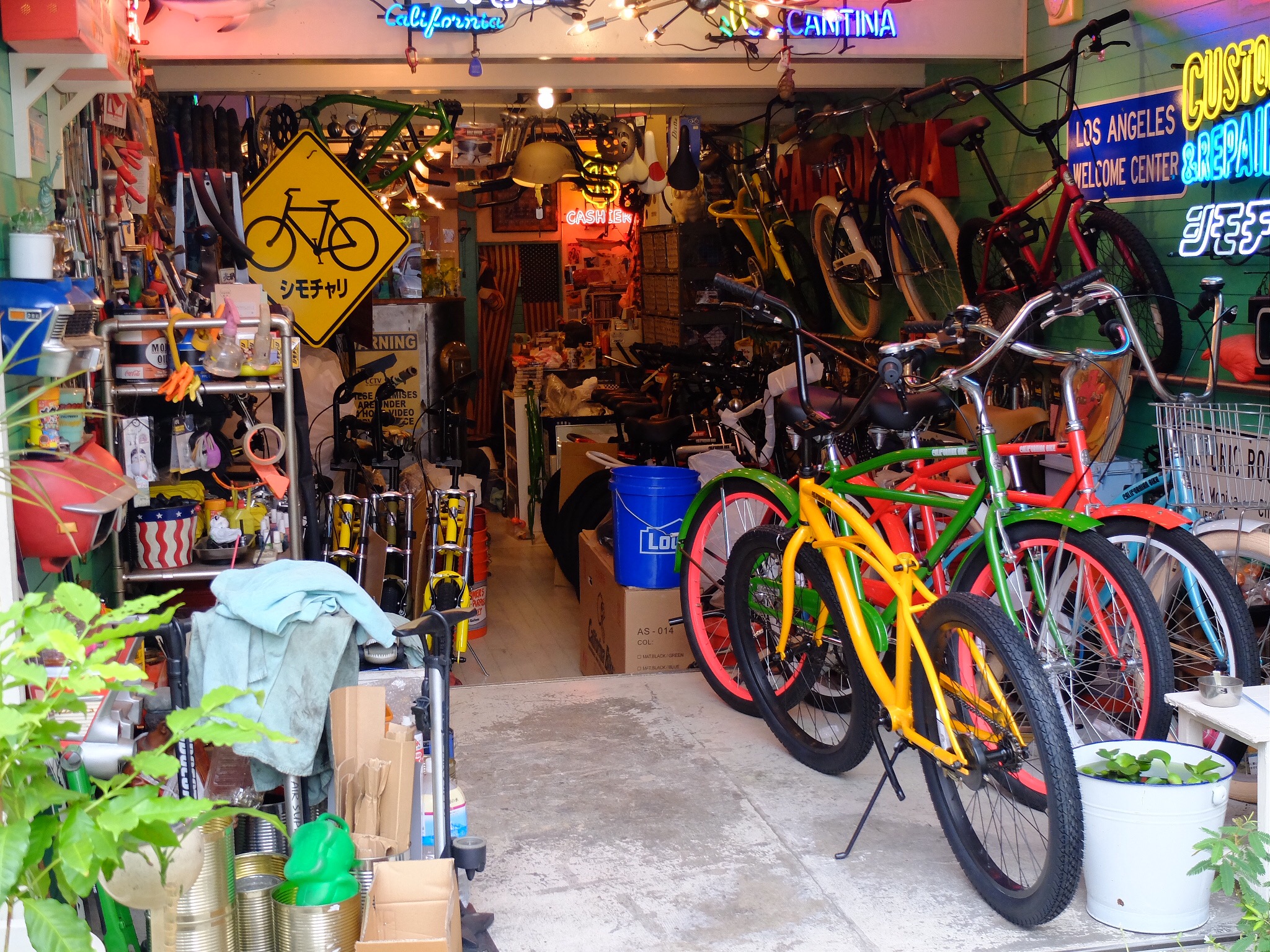

After a brief 15 minute walk, I see the man himself opening his shop. I followed the first customer in to find a grumpy barista tuning his machine.
Respectfully I ordered a cap and a bag of beans. His no photo policy probably helped me appreciate his process of extracting coffee. Tanaka pulled two shots from his naked portafilter through the La Mazocco and chucked it, not satisfied with the espresso. The third shot found itself into my takeaway cup.
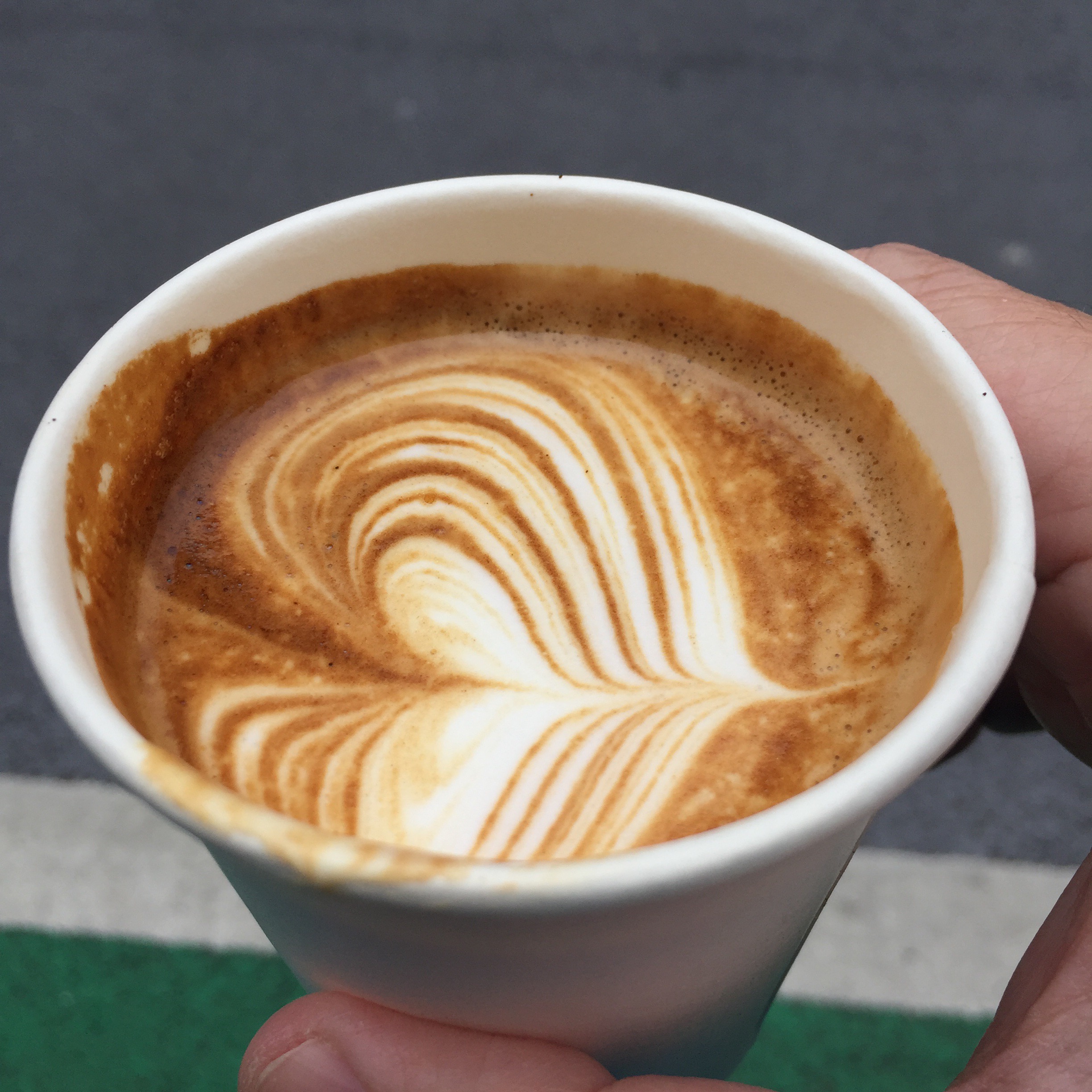
I was glad he opened just in time. The cap is probably one of the most layered and complex cap I’ve ever had. It had distinct nuttiness and a hint of vanilla. Truly a masterpiece from a coffee standpoint.
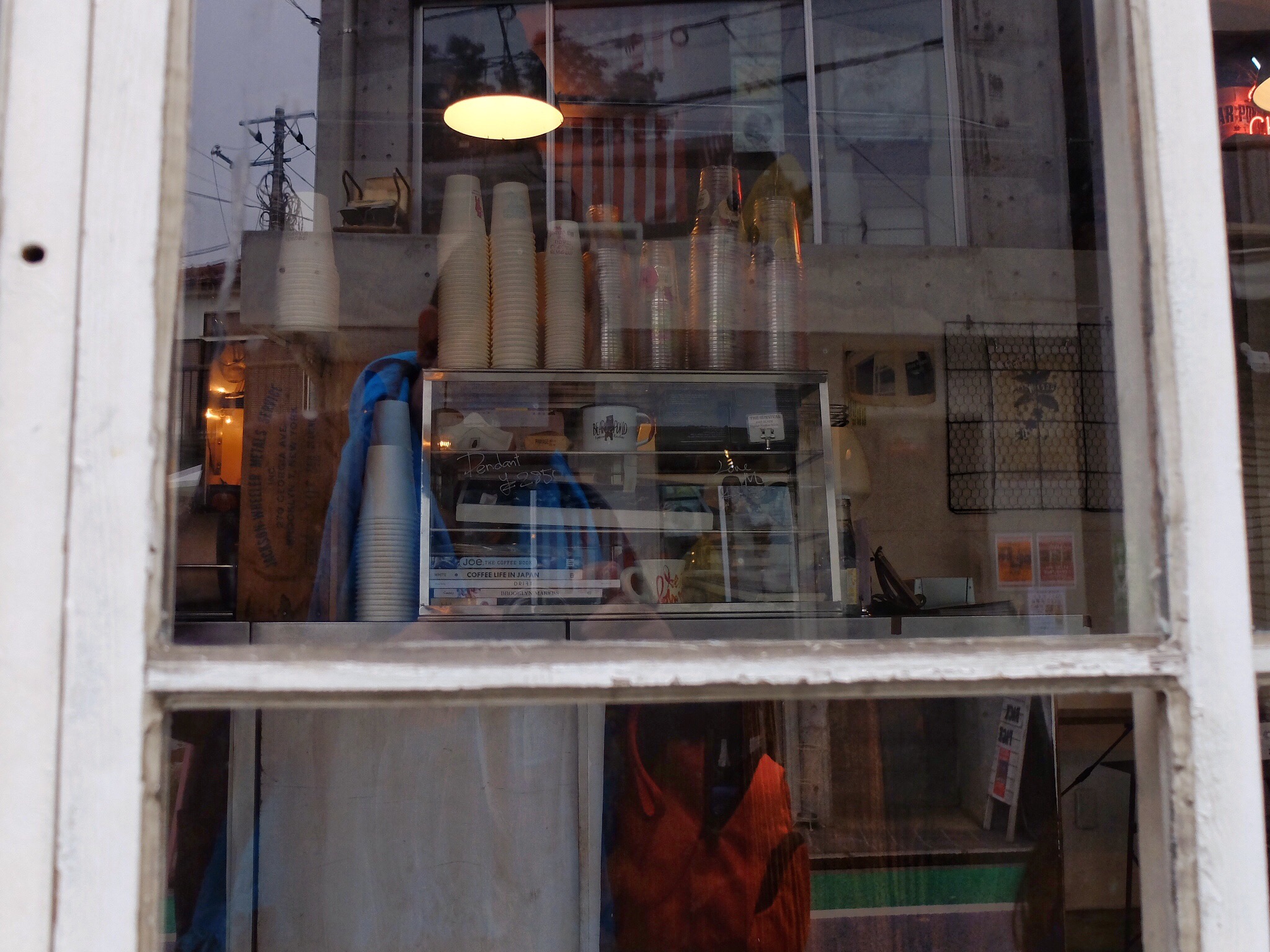
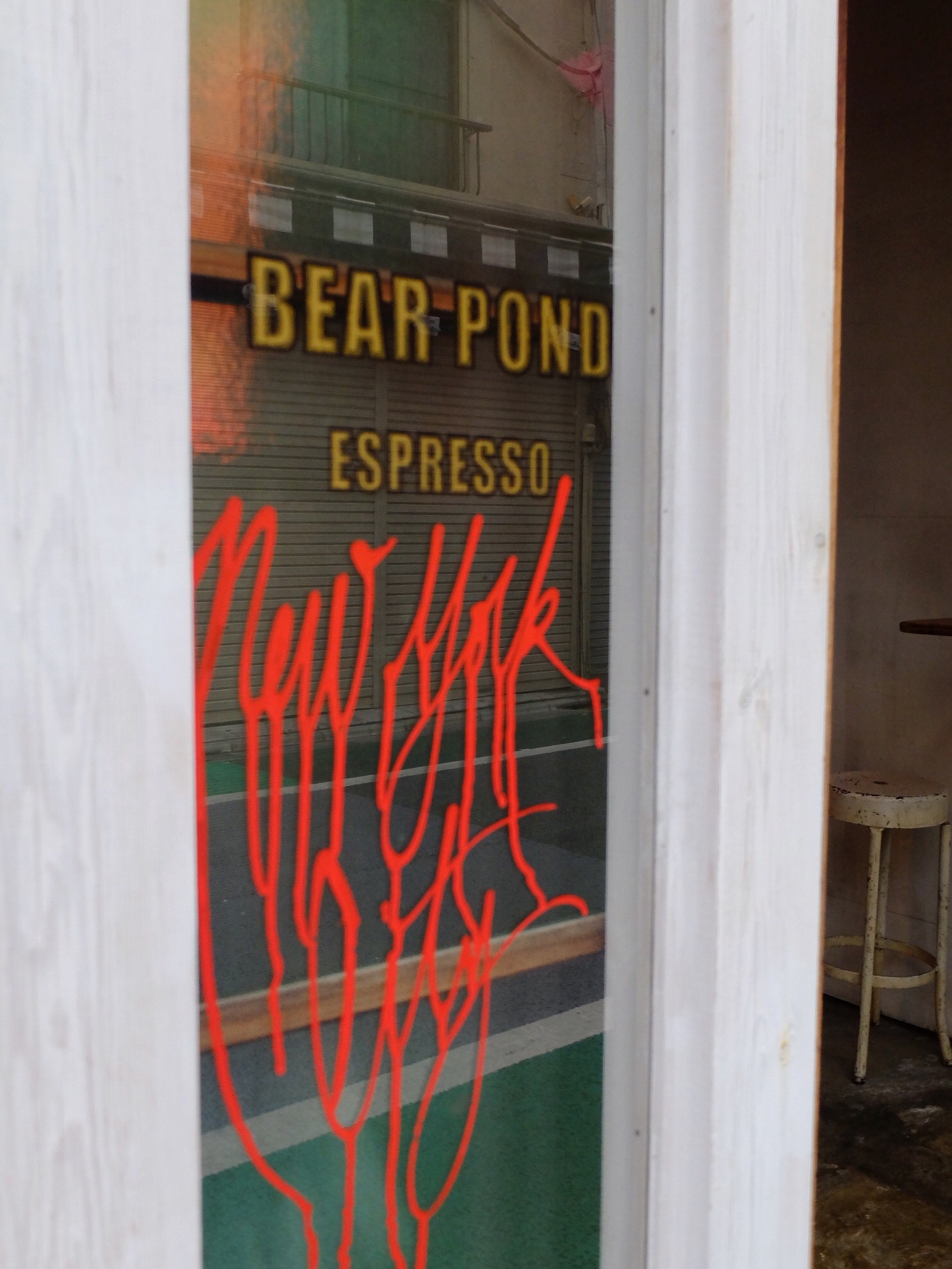
It’s easily forgivable for his temper and quirkiness but perhaps it’s not for everyone.
“Born in the 90s, bistronomy is all about enjoying quality ingredients and superb cooking in a warm, friendly environment. A major influence in today’s gastronomic evolution, is this trend which is transforming the restaurant scene as we know it. Let’s take a look at how bistronomy has popularised the luxury of fine-dining.” (https://labelleassiette.co.uk/blog/bistronomy-culinary-revolution/)
Bistronomy is largely credited to Yves Camdeborde where he combined discipline of gastro-nomy with the accessible food of bistros.
Raw is Andre Chiang’s vision of Asia’s attempt at bistronomy through the capable hands of Alain Huang .
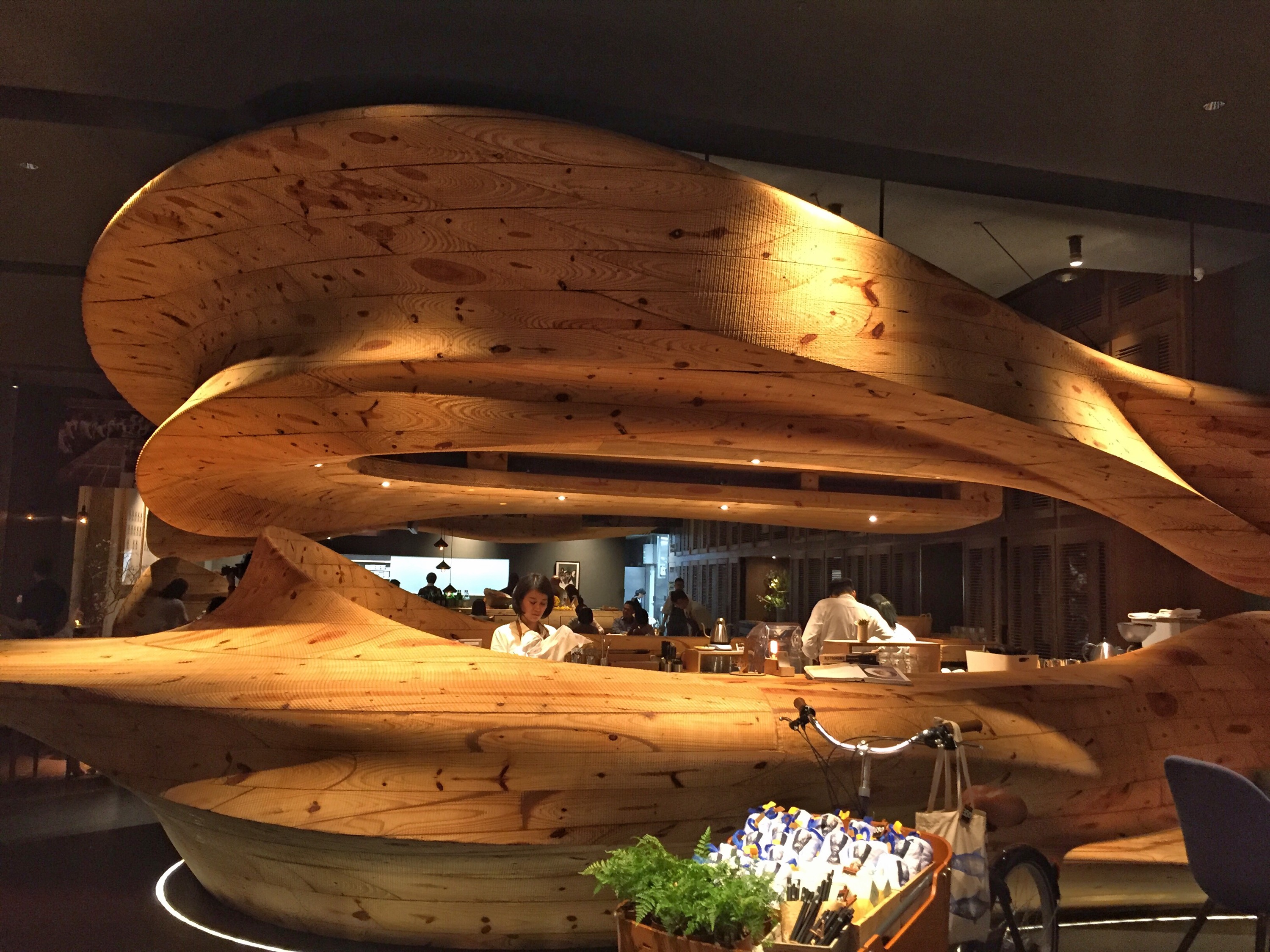
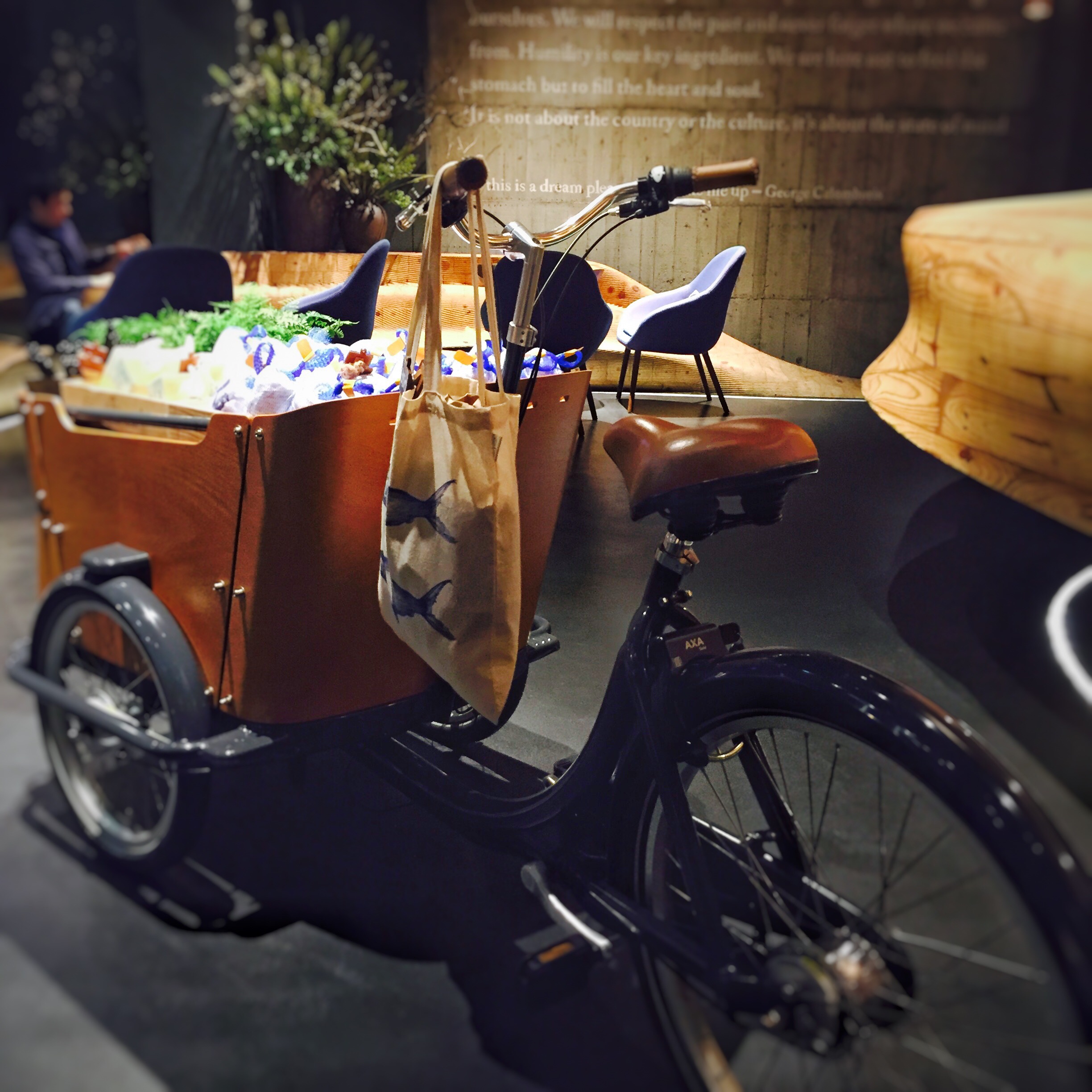

Raw is a beautiful restaurant but not in a pretentious way. It has an organic fluidity to it and the space reveals itself as you walk through the place.
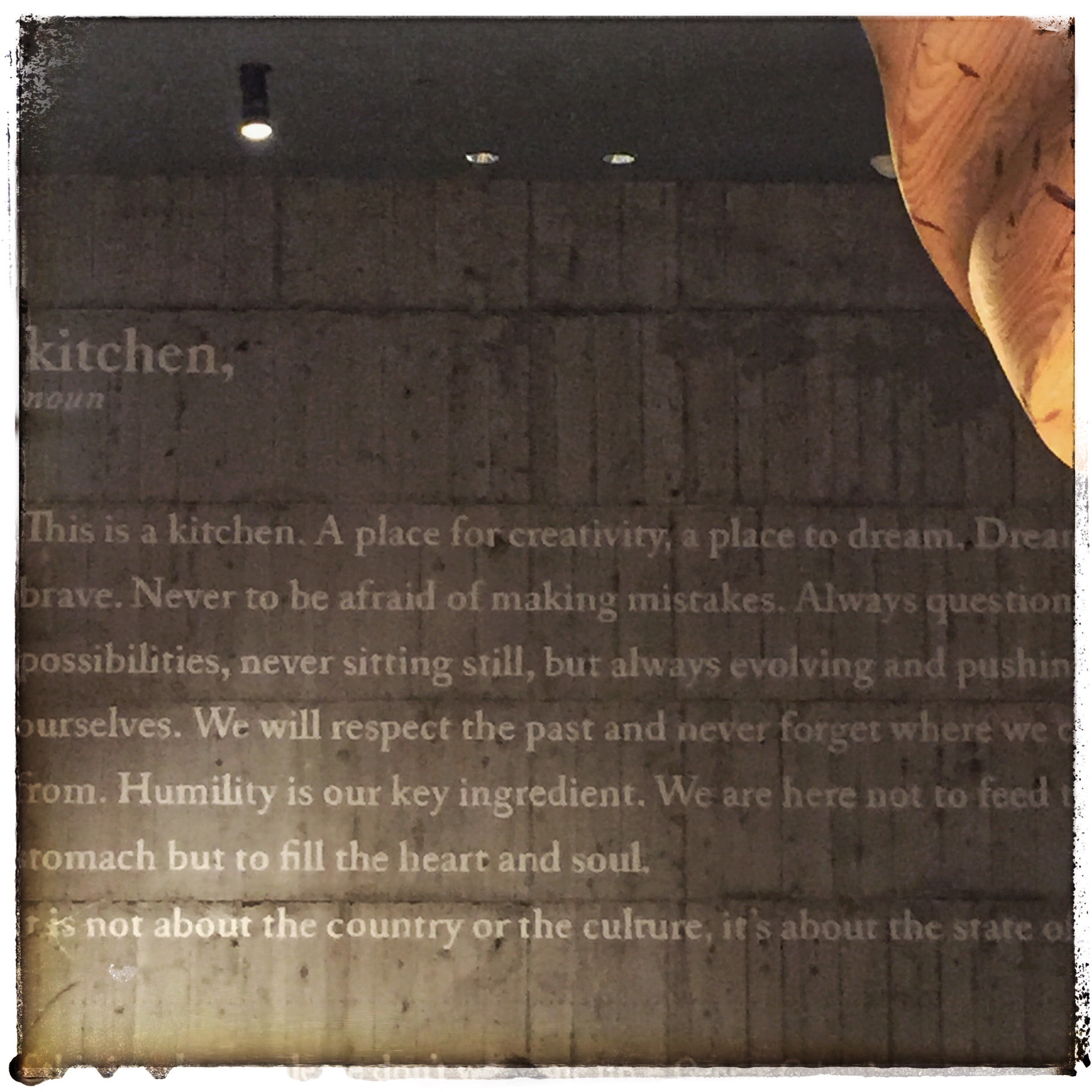
I love the mural of Raw’a mission statement. It speaks to me as an amateur cook and amateur photo buff.
I’ve been an admirer of Andre since I first dined at his eponymous place five years ago. Dining at Andre splits peoples’ opinions from admiration to hate. Francophile gourmands denounce his cooking as prissy and over though through while admirers see him as a visionary.
Raw is easy to like though my dining companions were possibly less impressed.
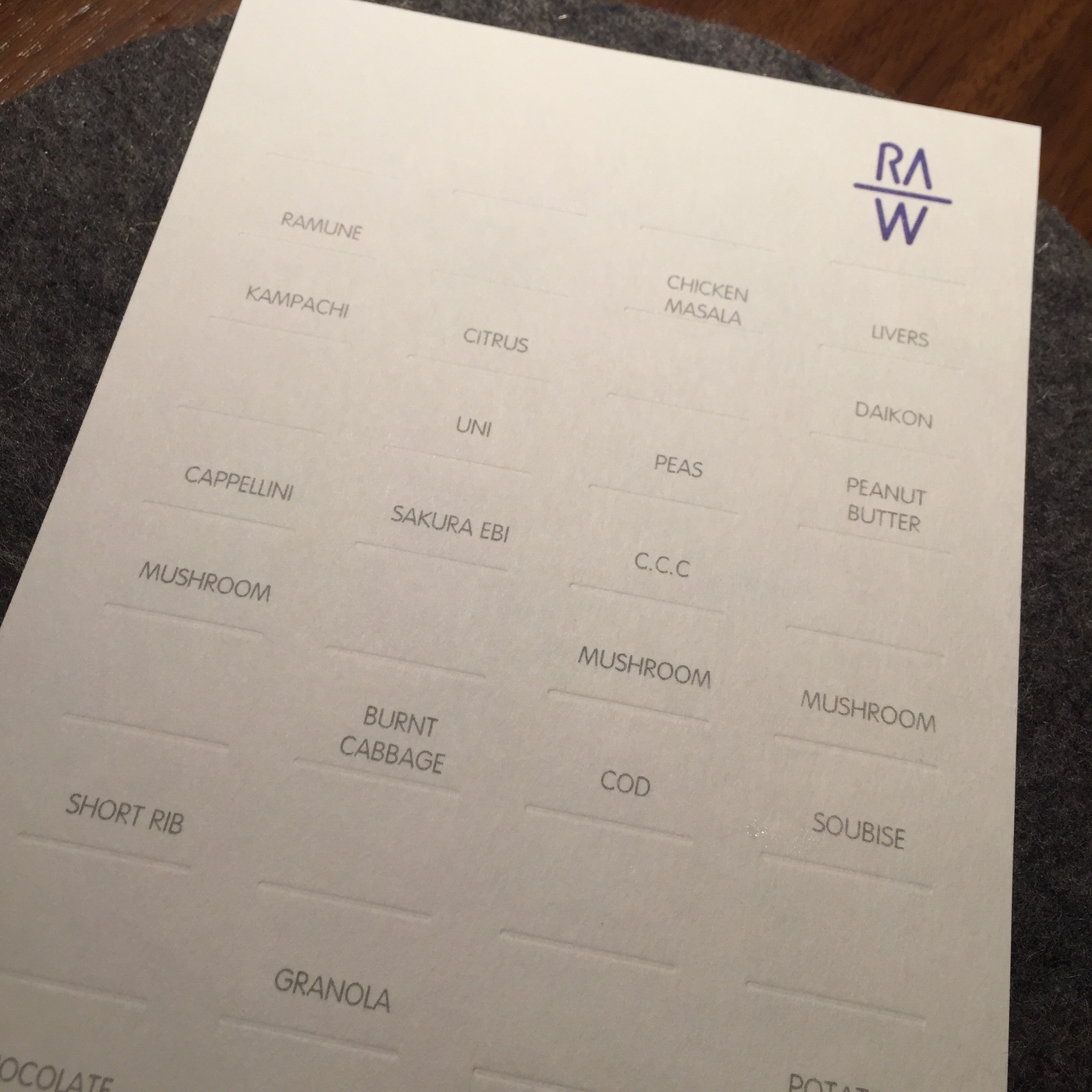
Dinner was an eight course affair, peppered with amuse bouche and starters.


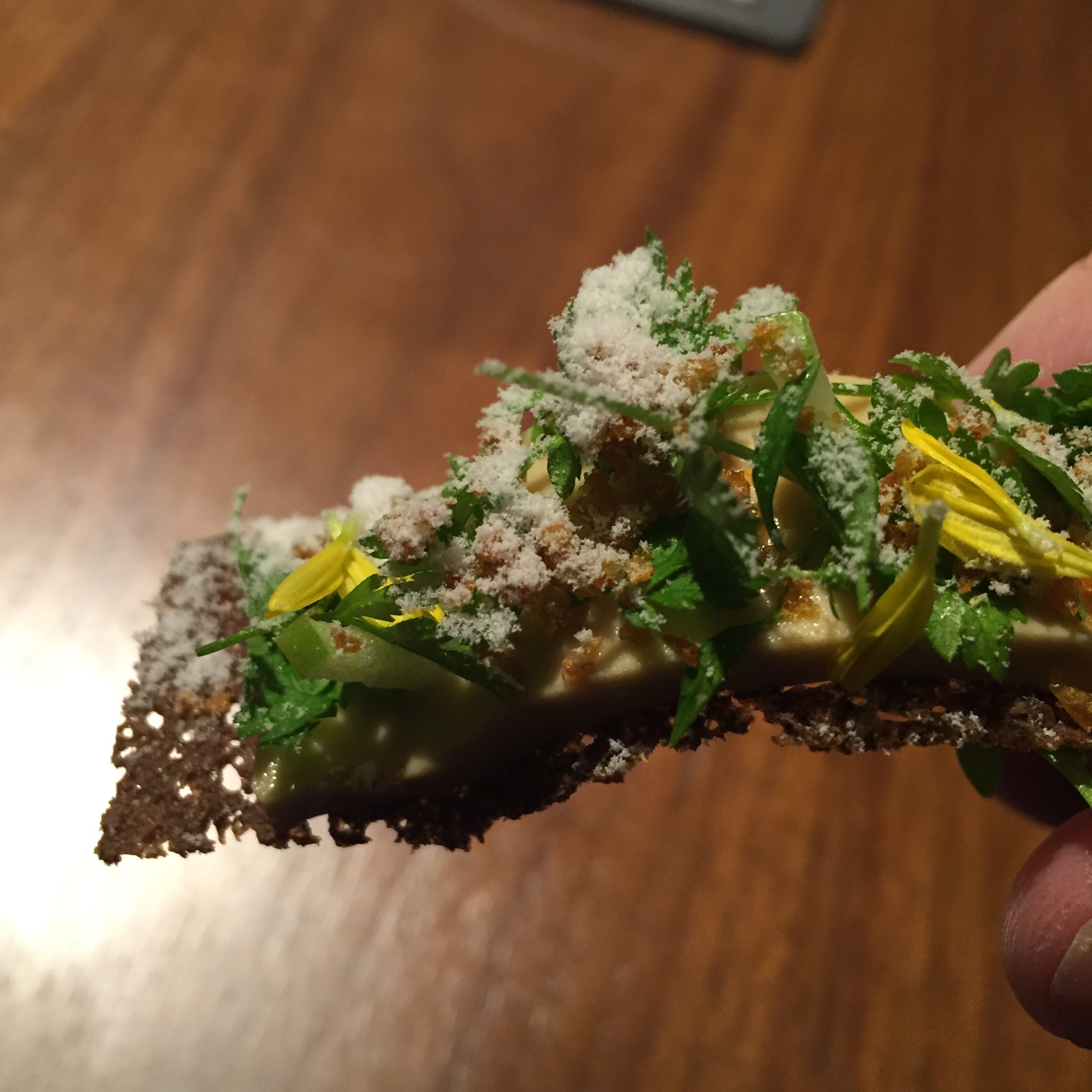
We started with grapes infused with champagne- a technique used often but I did fail to stress the point of Raw is to highlight Taiwan’s amazing produce and these grapes were a good example of it.
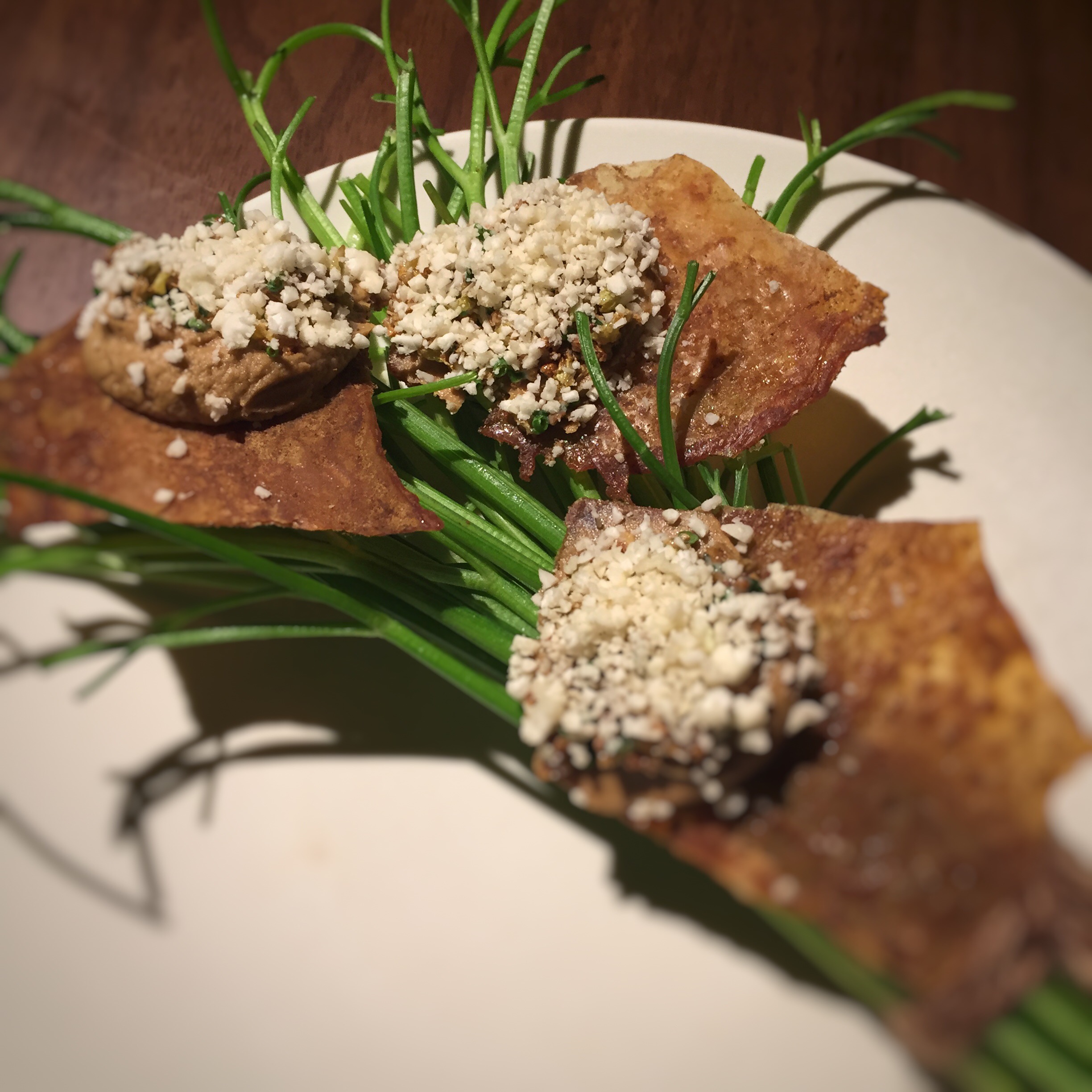
The next two were savoury notes. The first being chicken skin and cauliflower purée infused with masala spice. This provided an earthy counterpoint to the grapes and mint amuse. The second starter was “livers”, they were airy and luscious. Perfectly punctuated by spice and fresh herbs. Clearly one per person was not enough!

Service at Raw is exceptional with friendly and attentive staff with the right amount of food knowledge, there’s also a discernible sense of pride in presenting the food.
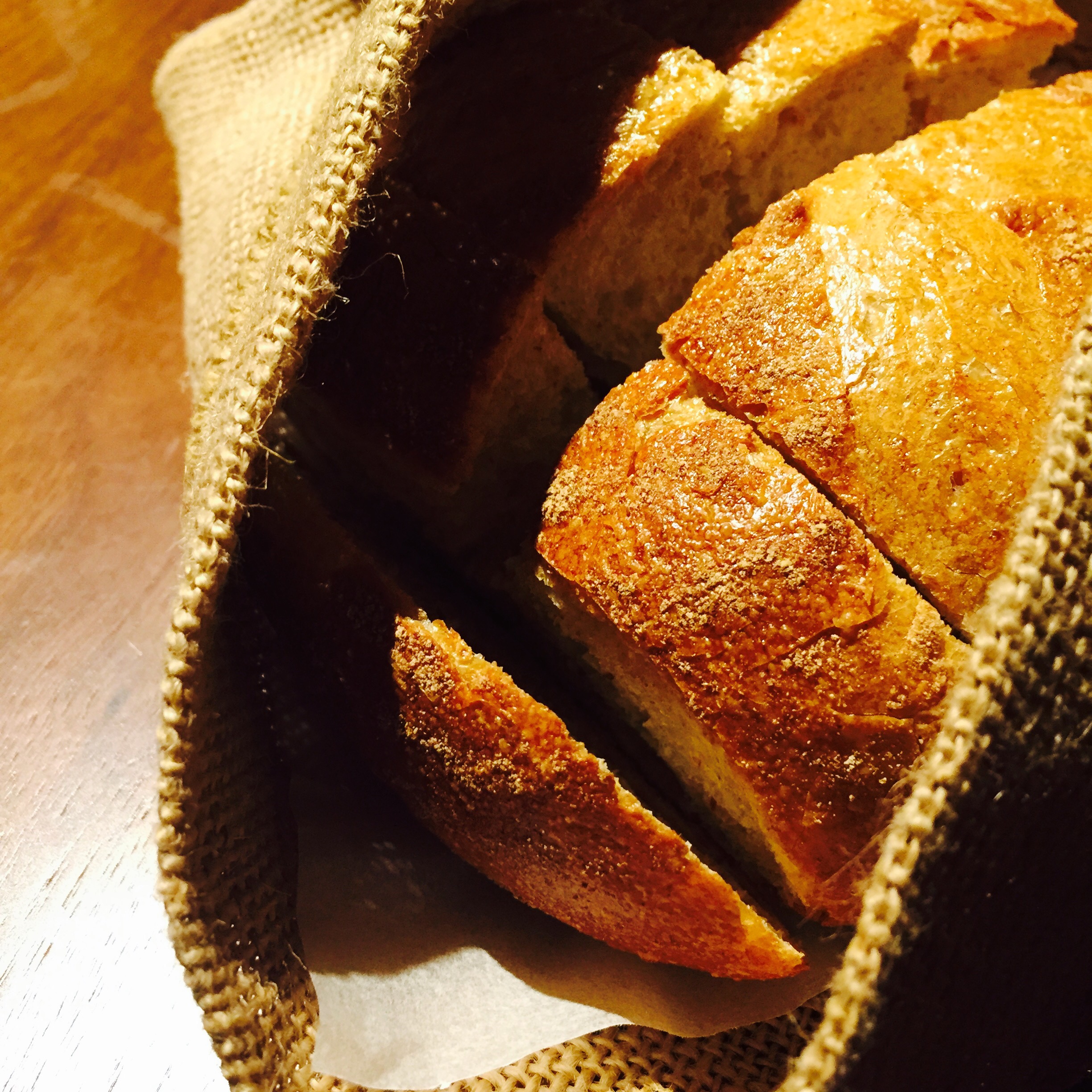
Our server did warn us not to eat too much bread, which we didn’t heed. It was delicious with an amazing crust and hints of sourdough in it. The bread was accompanied by whipped butter dusted with sea salt and cocoa nibs ( amazing combination!)

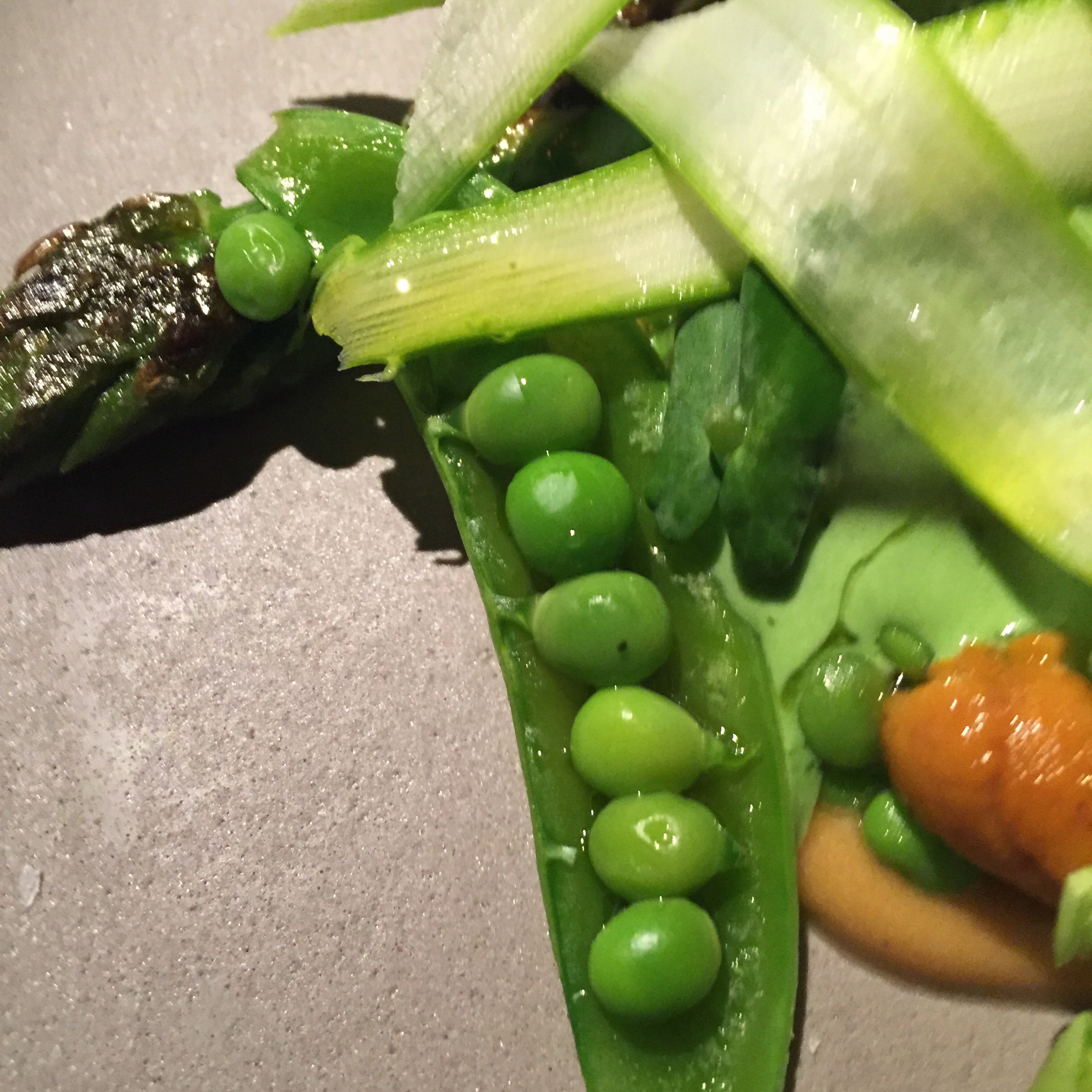


The marinated kampachi with daikon was surprisingly savoury and earthy. While the peas/asparagus/Uni/peanut butter highlighted Taiwanese produce at its best. Peanut butter and pea ice cream with Uni? All worked exceptionally well but the Uni was lost in the translation.
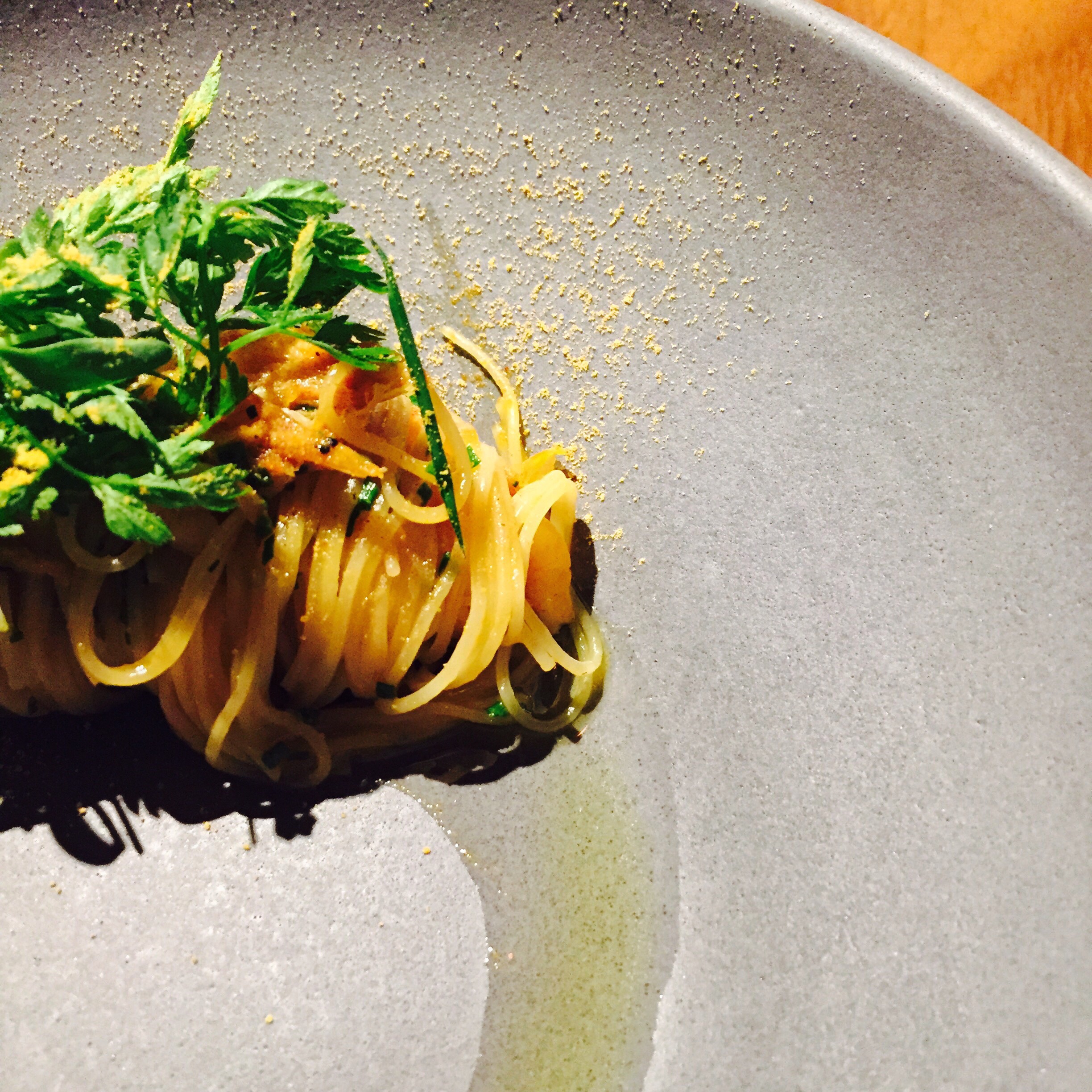
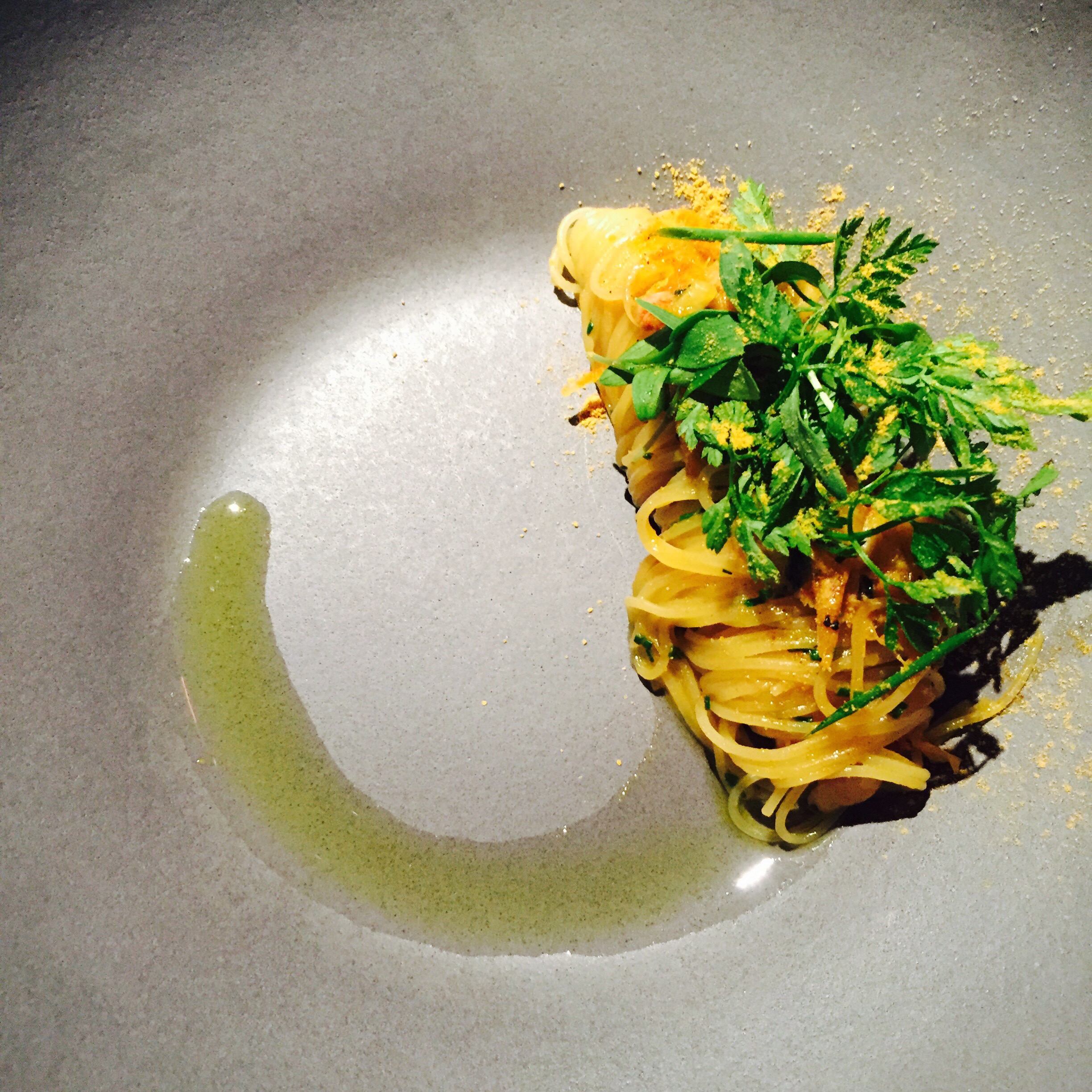
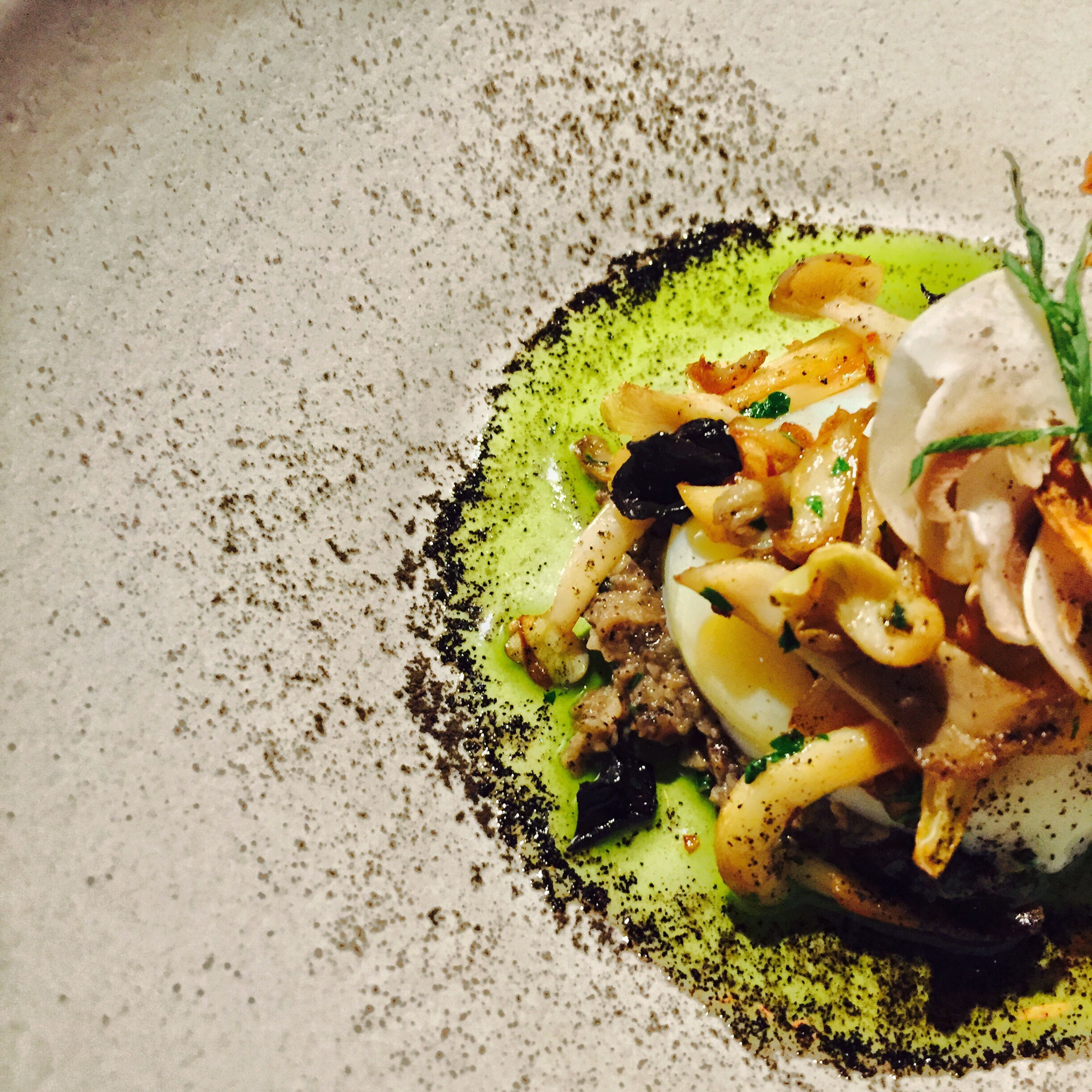
The Sakura Ebi pasta was familiar (Iggy’s circa 2005) while mushroom, mushroom, mushroom was elegant and elevated the humble fungus, highlighting different textures and flavours.
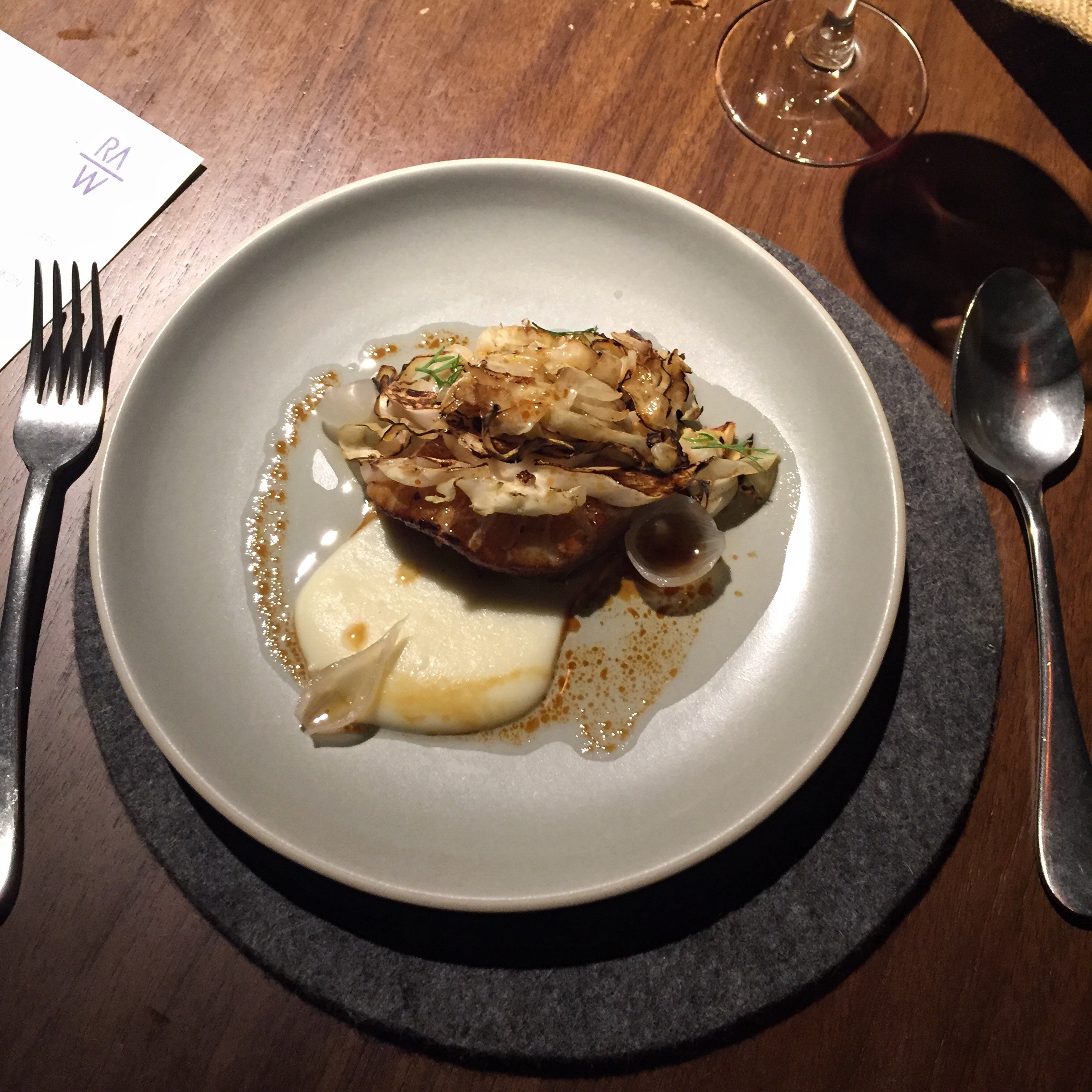
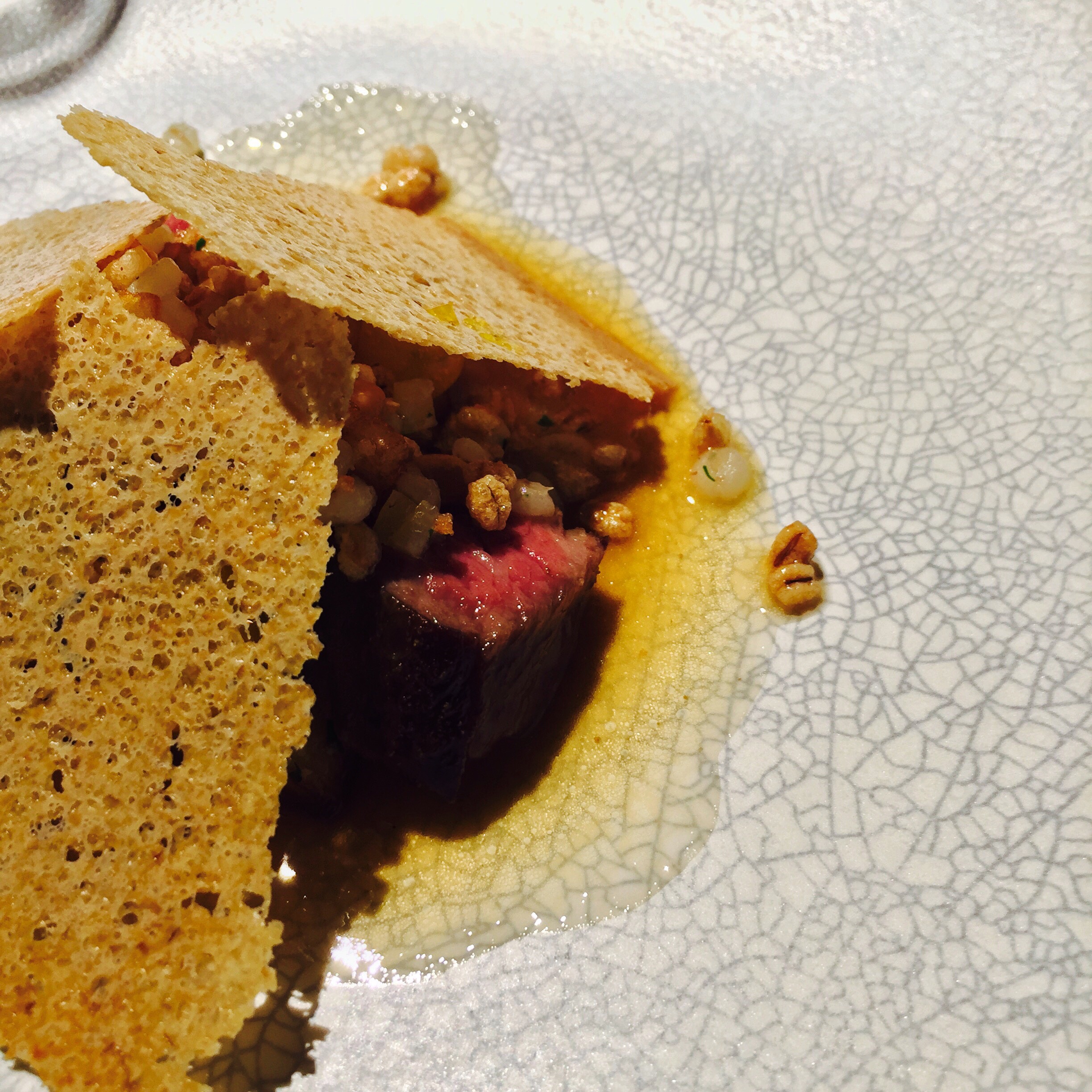
Main courses were a well executed cod with “burnt” cabbage and onion purée while the meat course was beef short rib (I suspect sous vide but with restraint, the absence of overtly soft and sometimes mealy texture was a hint for me) with “breakfast cereals”.
Desert was tasty but nothing to shout about.

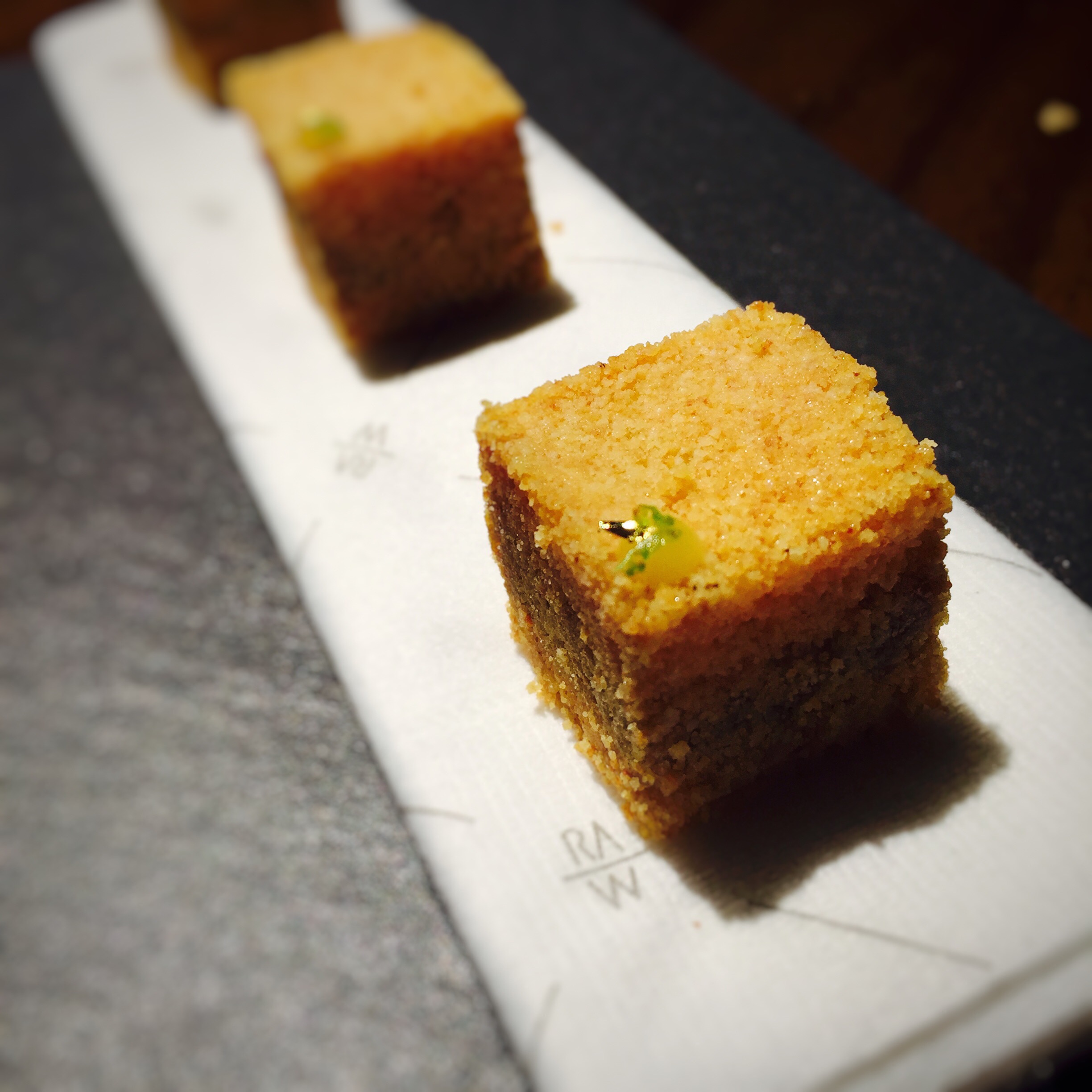
Zor, Andre and Alain has delivered a memorable experience while keeping the spirit of bistronomy. The meal here cost a quarter or even less at Andre’s flagship restaurant.
Landing a table at Raw is not easy but if you do, you will be well rewarded.
This is an exercise in indulgence. The Guangdong classics. The best of Guangdong classics.
It was a challenging evening as an obscenely early wake up call finally took its toll. Migraine and near exhaustion had set in.
I did leave Sun Tung Lok with a bit more spring in my step and new ideas in my culinary-curious head.
I’ve just forgotten how good food can bring you back and how the classics should remain in vogue.
En route to STL, the neighbourhood is fast fading under the proverbial wrecking ball -giving way to much needed bland and generic clone-malls.
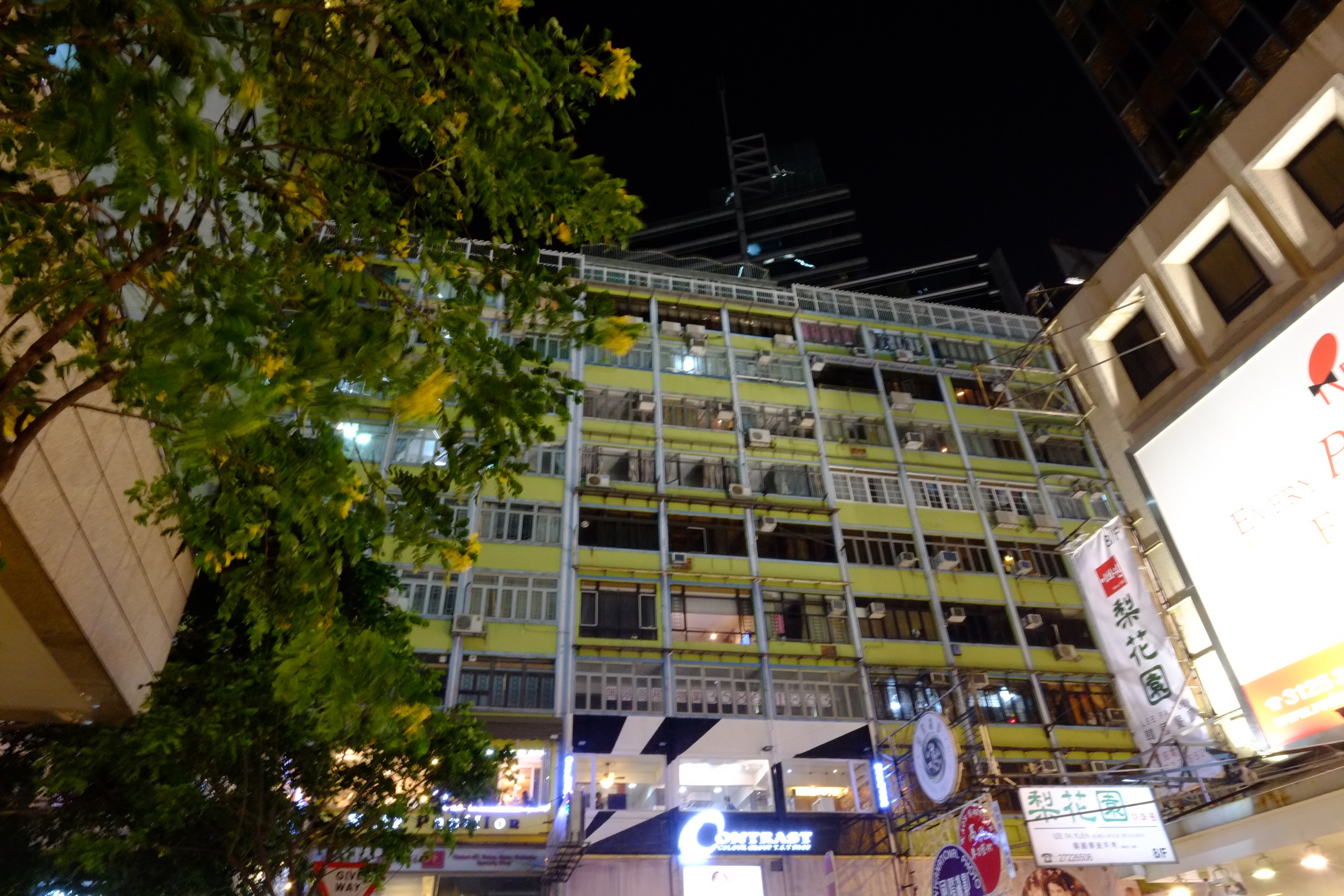
Upon placing my culinary journey and wellbeing onto my overly capable dining bff, we chat about the history of Sun Tung Lok. We dismissed the notion that this place was related to Singapore’s Tung Lok group. Rather, STL was founded in ’69, by the Yuen family. It received its Michelin stars in 2011 and managed to keep 2 of it to this day. Guangdong food in Hong Kong on its “average” day is untouchable, much more when it’s on her best day!
The chopsticks caught our attention. In any normal circumstance, I’d return it for a new pair. After all, it look stained.

To my untrained knowledge, this “stain ” is a sign of pride- pride in serving temperature hot dishes where the optimal flavours can be tasted by the diners. Perhaps it’s akin to a well seasoned wok?
The food.
The food.
Amazingly luxurious and downright delicious. Real depth of flavours, often lasting on my palette longer than I could imagine possible.
Take the soup course, the waiter serves me a tablespoon full of the broth- seeking my approval for the balance of taste, prior to submitting the golden cream to a final blast of heat served in a claypot. A soup sommelier(?!) This is a pork based soup that’s balanced with terra and mare (earth and the sea).
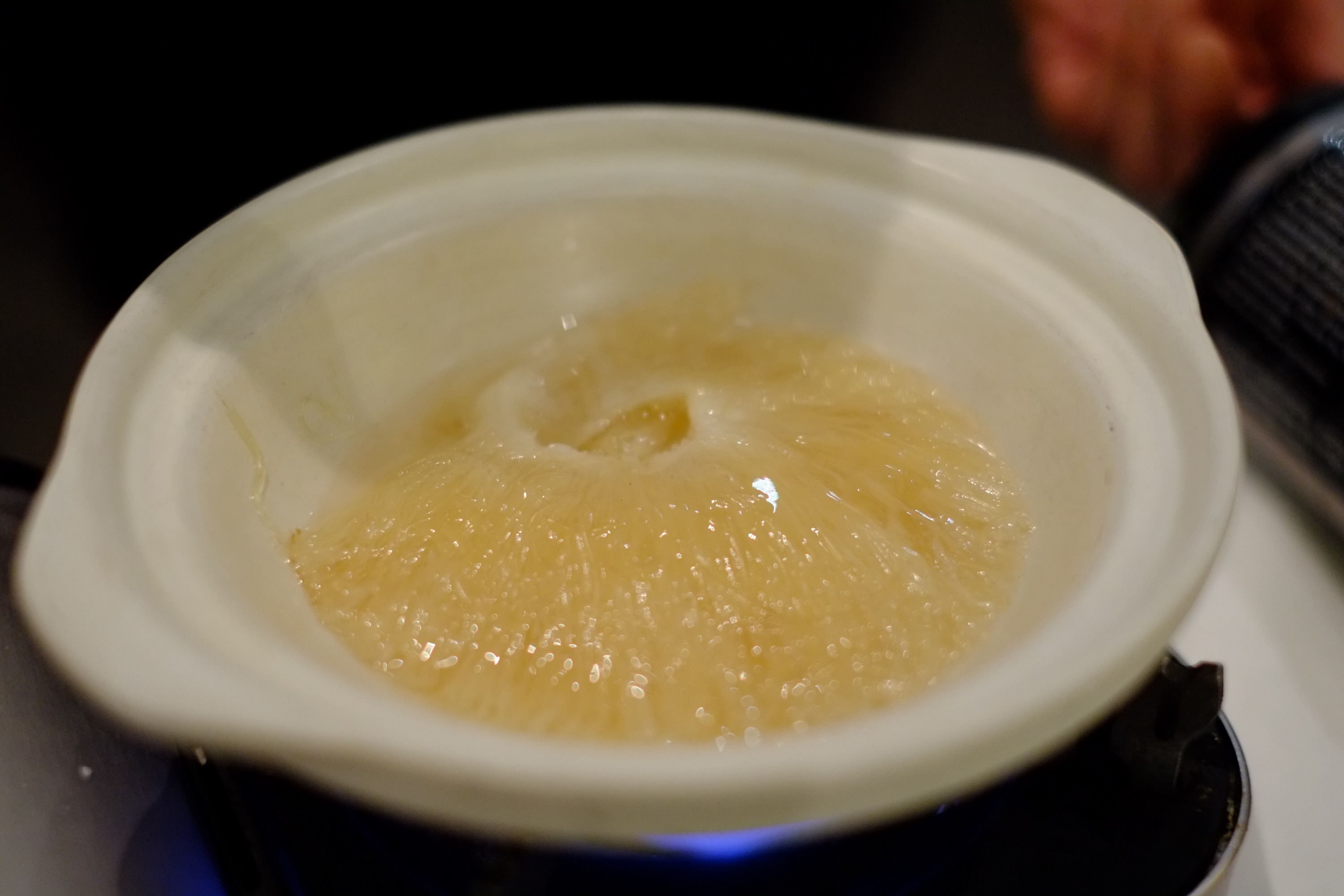

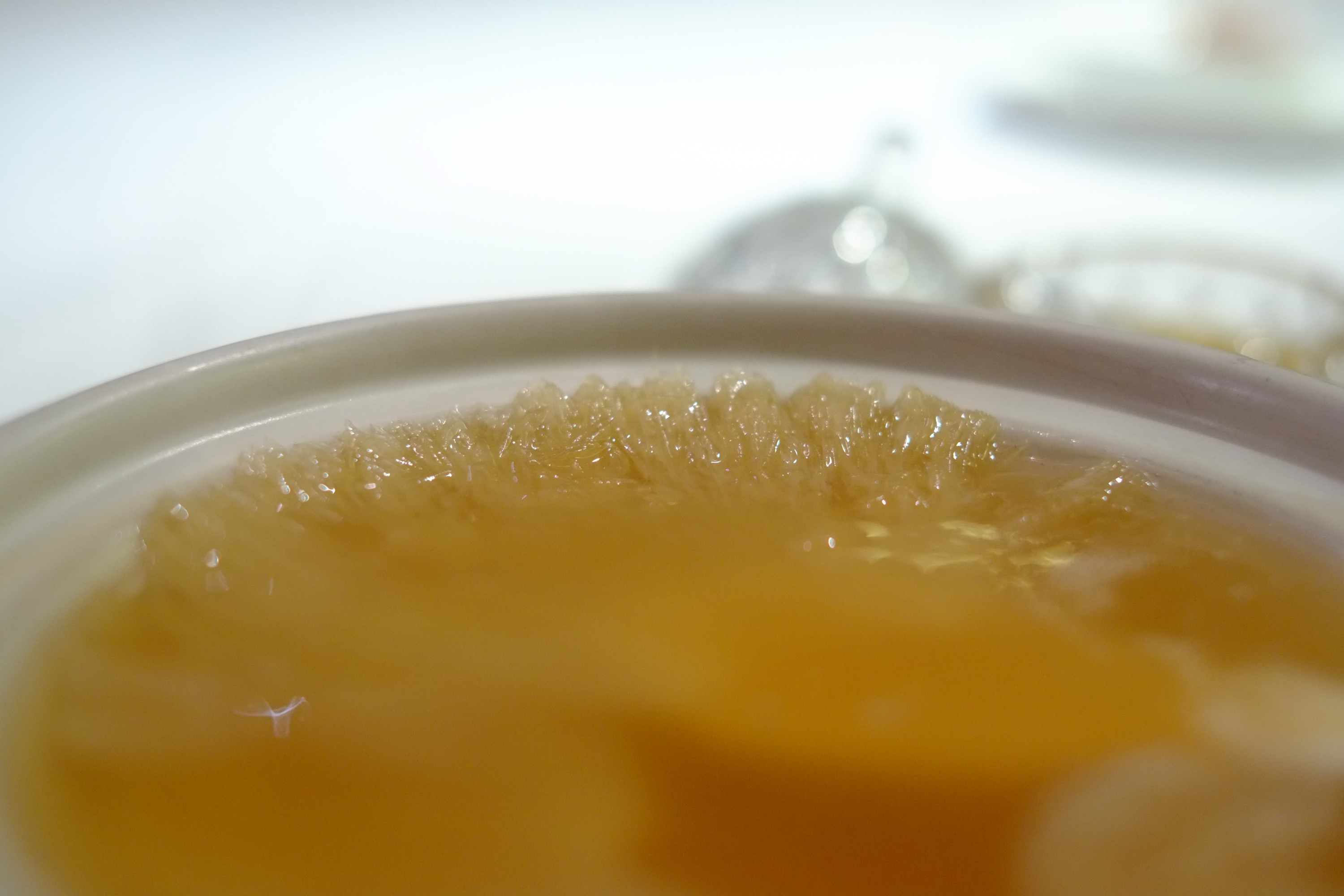
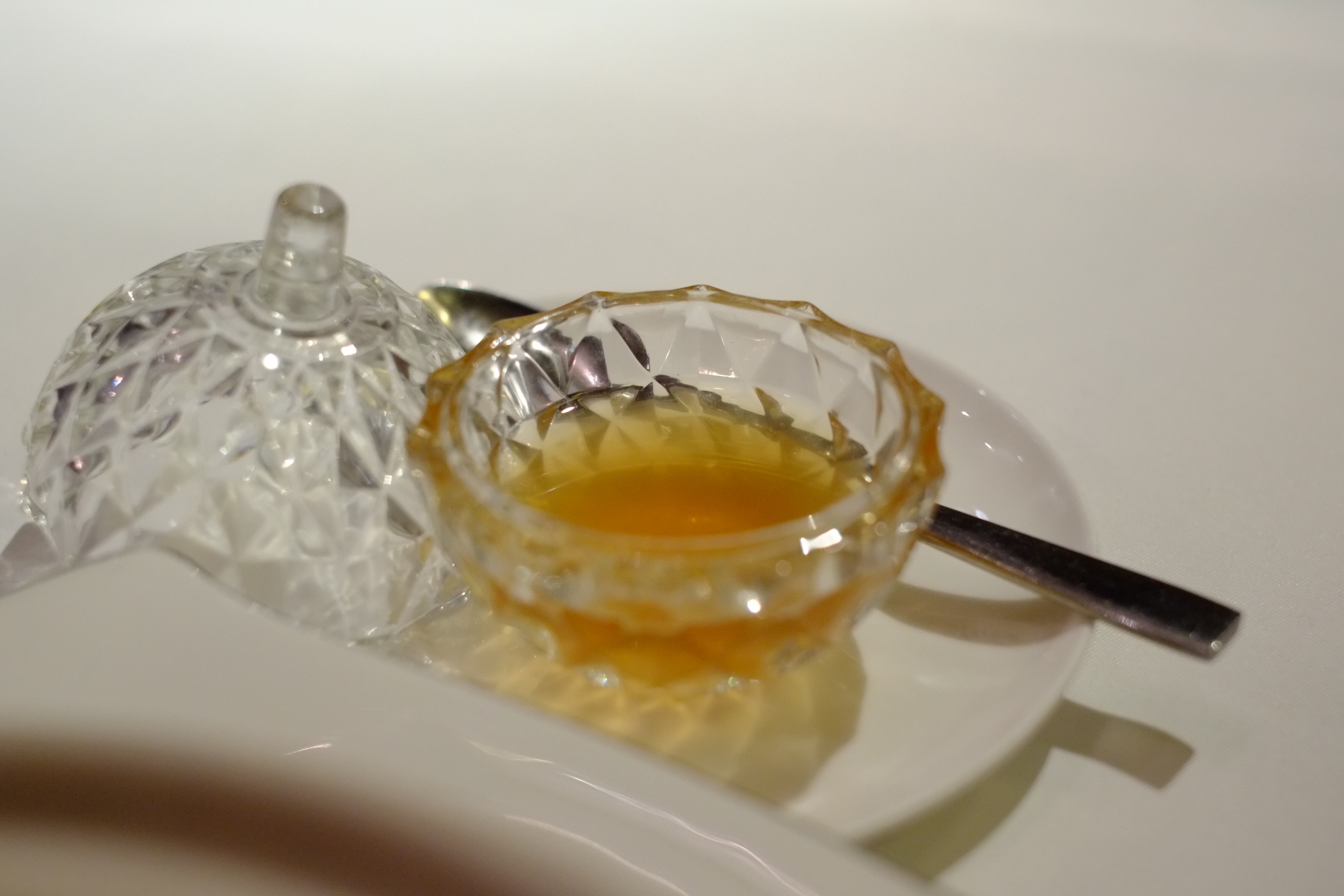
Not stopping here, the waiter serves us a liquid condiment akin to fish sauce but made with yunan ham (!). This was an amazing concept and it certainly redefined umami to my taste buds.
One drop into the soup… Beyond words..
How does one top this? Why, serve Japanese abalone braised in an equaling beguiling broth of course!
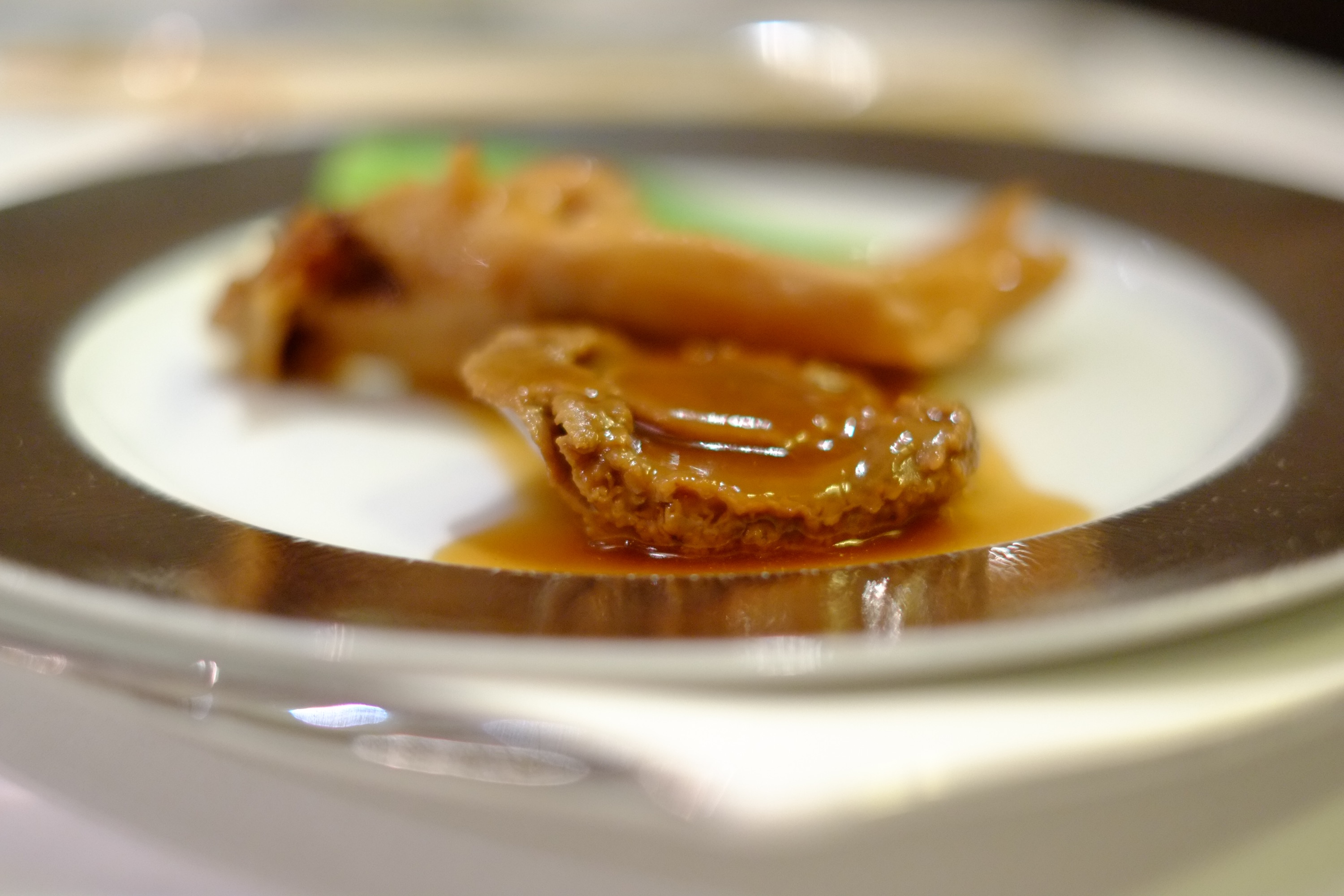
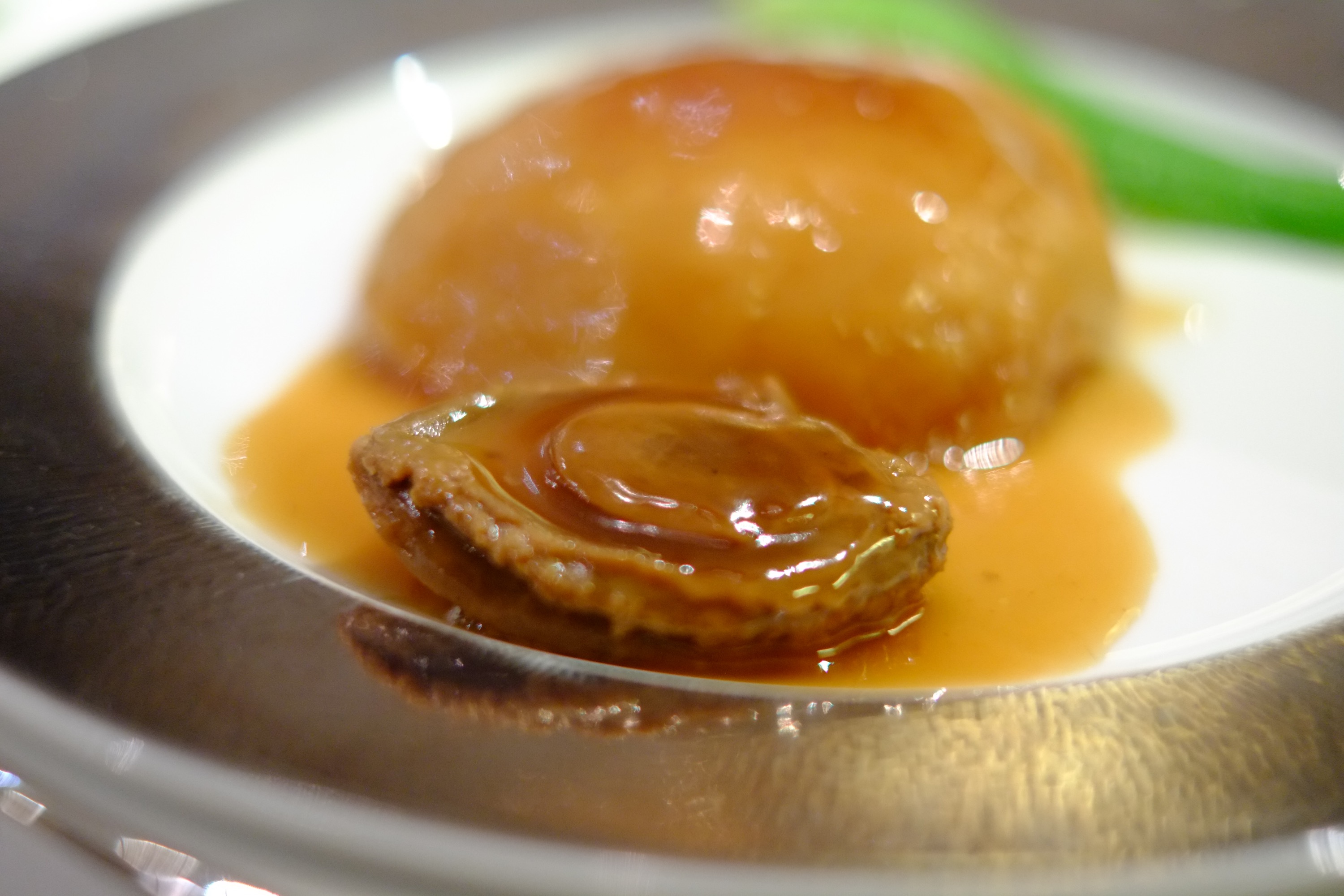
There were two versions, one with a braised pomelo skin and the other – the classic pairing of goose web and abalone. Truly sensational.
We balanced off the meal with braised mustard greens in conpoy stock.
…then followed with a modern-y steamed grouper fillets combined with a fish mousse and topped with caviar.
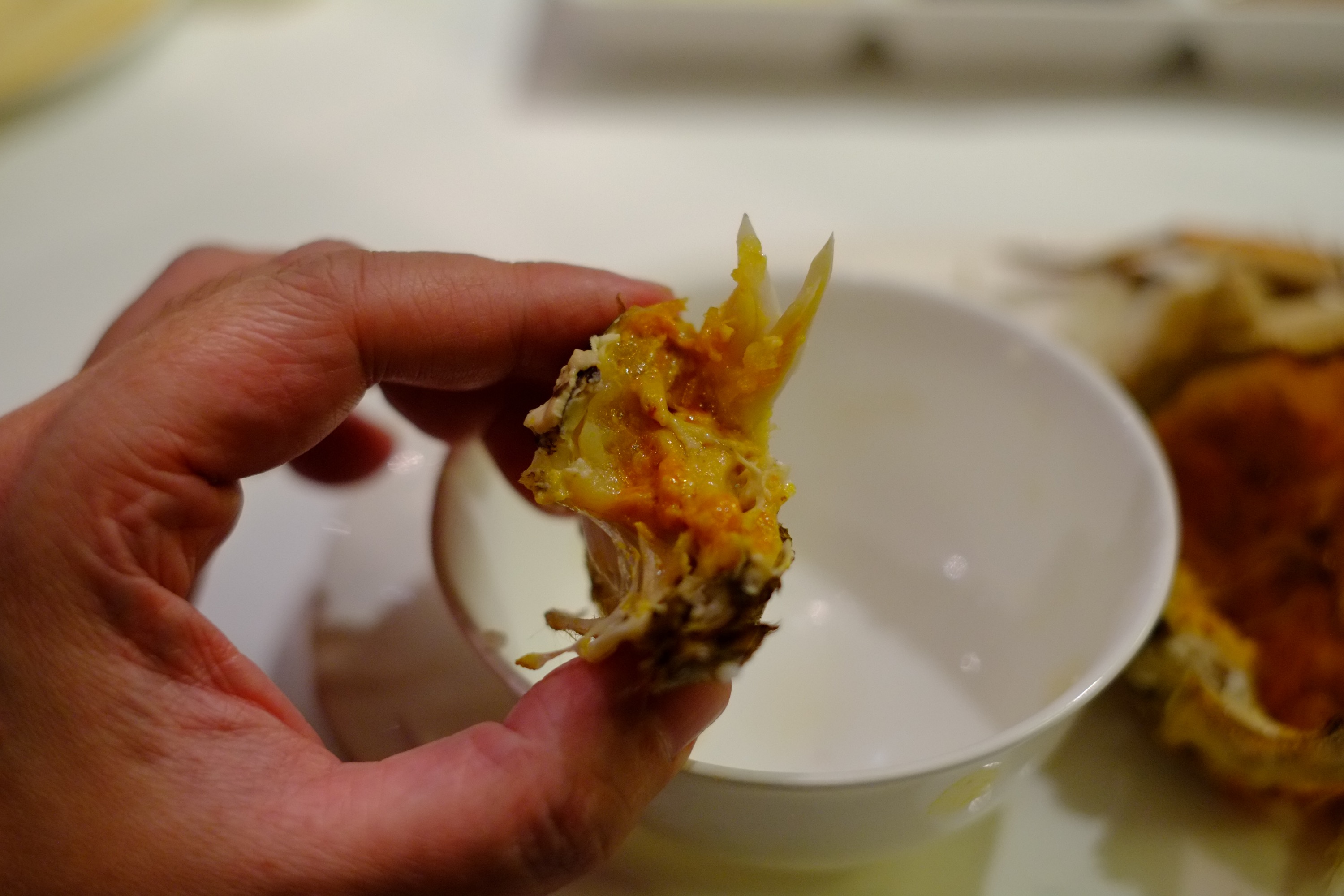
But what came after was another flavour bomb..though for the work involved- I’d stick to uni next time. The “yolk” was unctuous and sticky. The dipping sauce of garlic, sugar and black vinegar added an extra level of taste and balance.

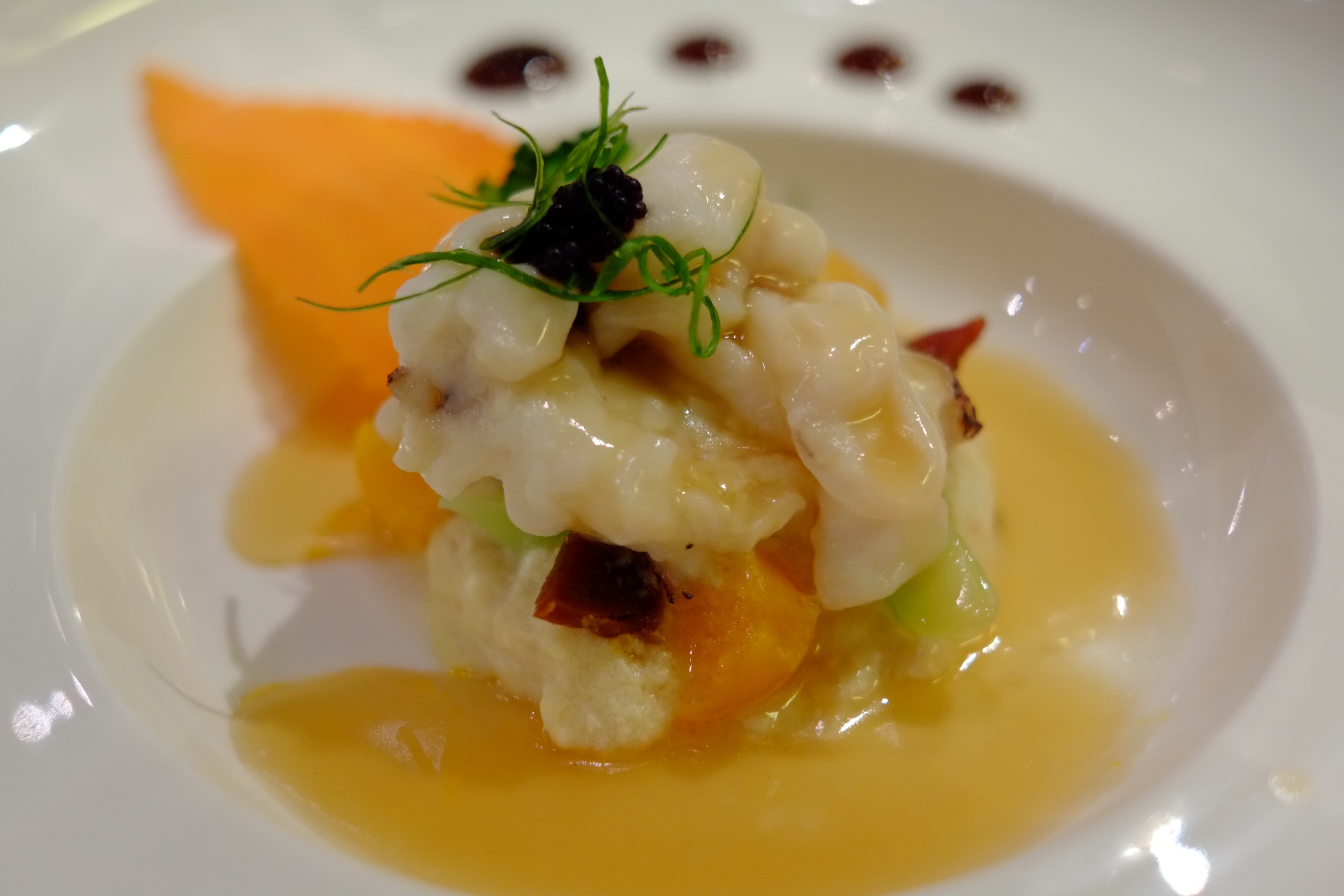

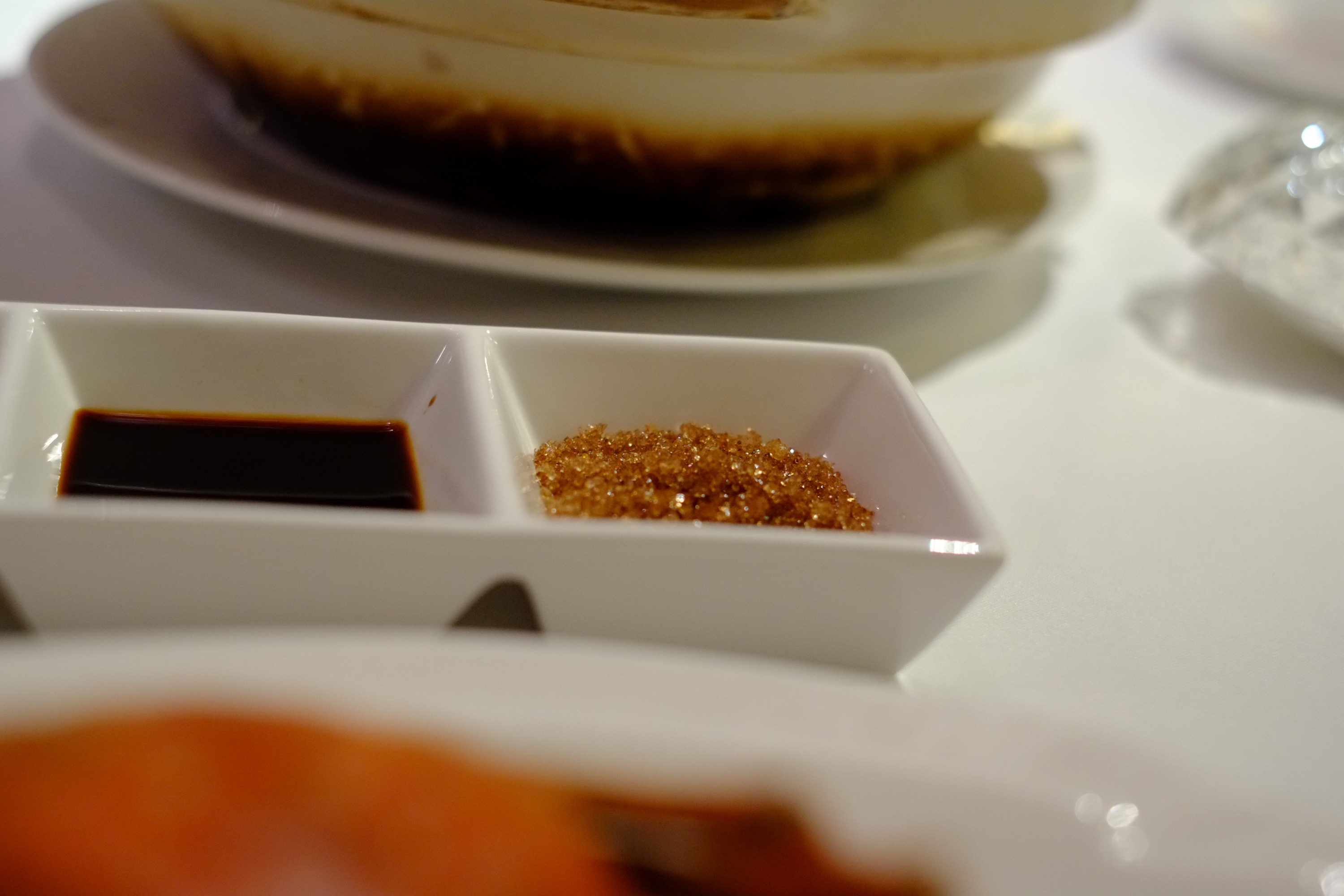
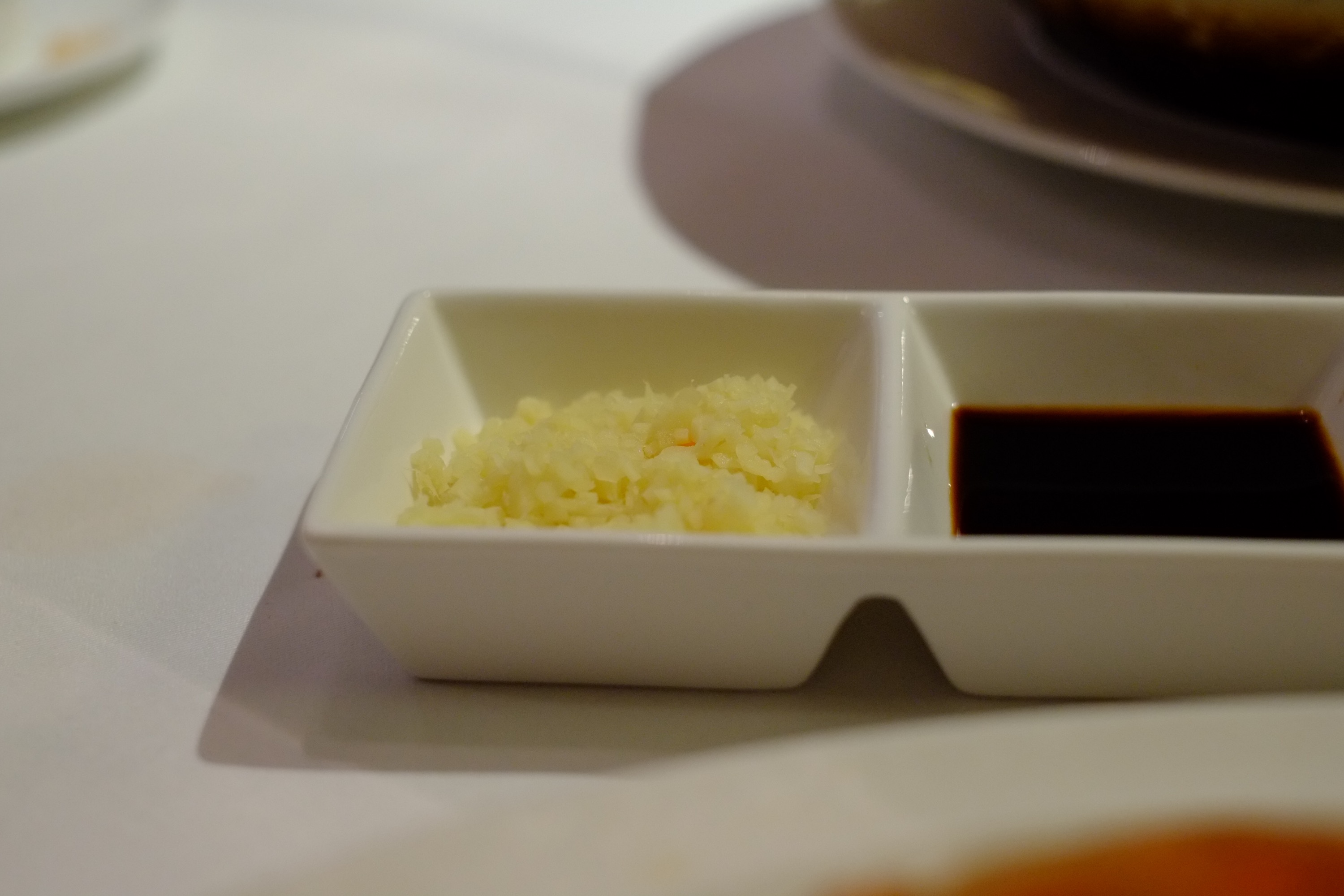
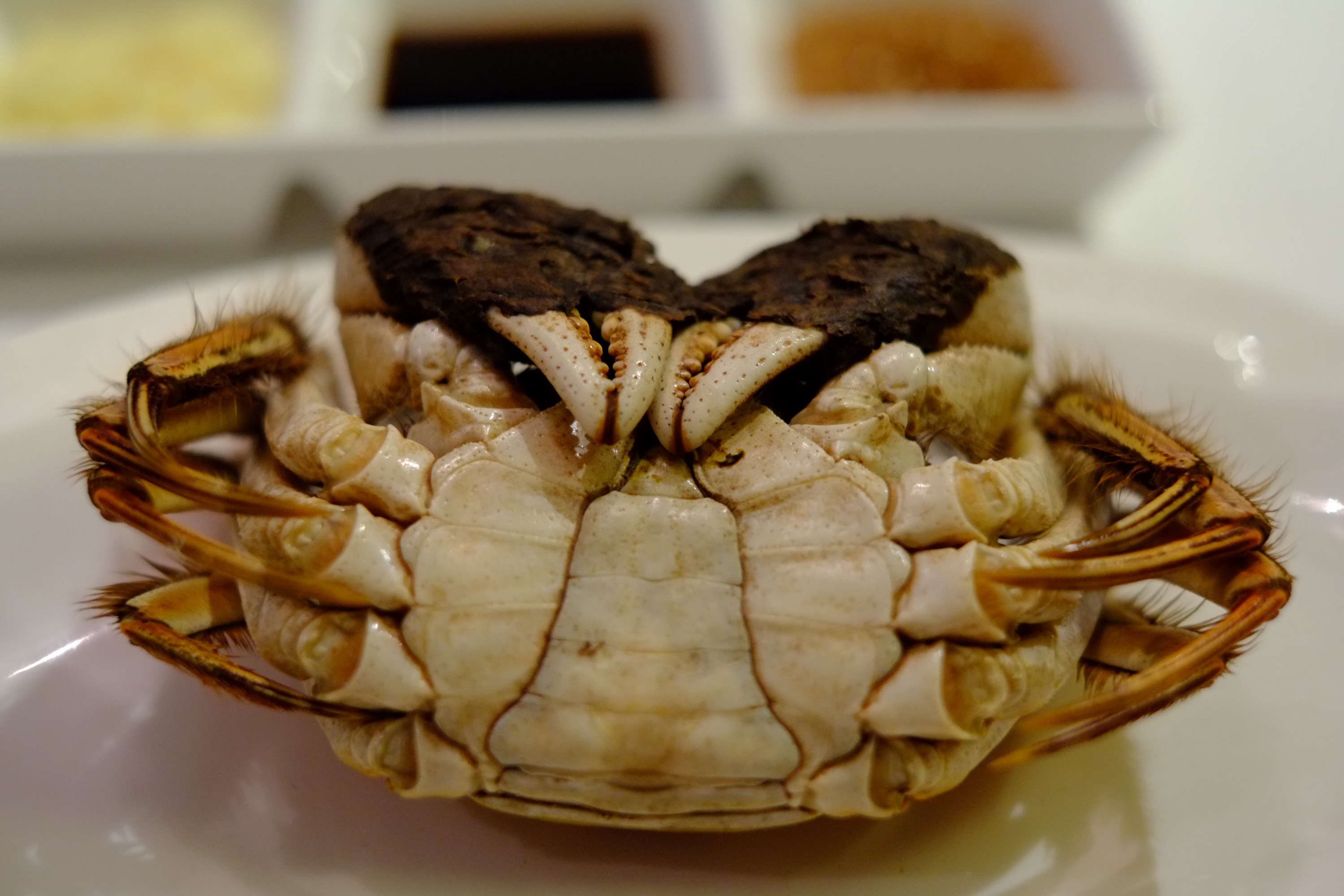
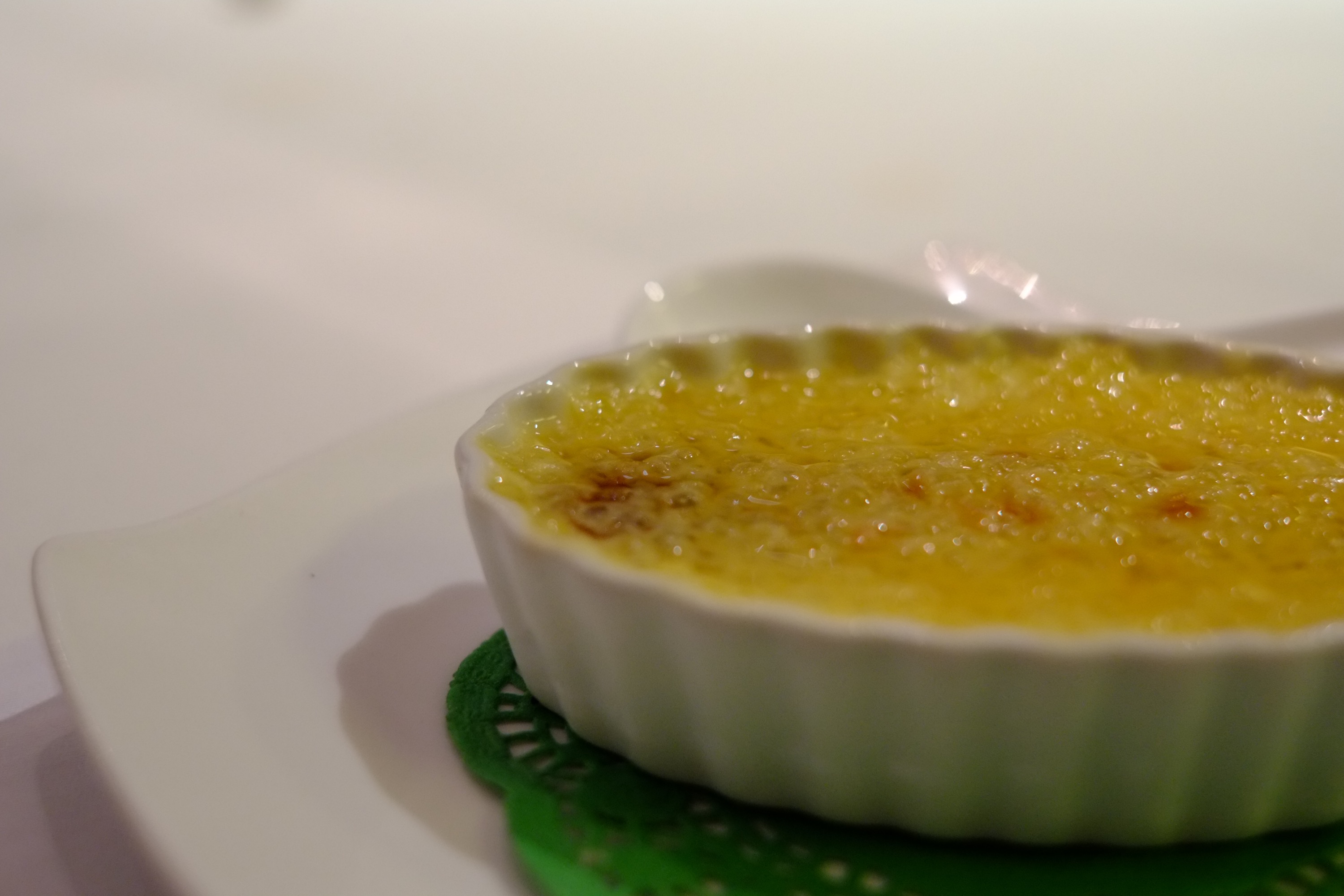
Dessert was a bit too much for me though even though it was very tasty- baked sago custard.
Can we eat like this weekly? Heavens no..! Your body would simply revolt at the overt richness and gout inducing dishes. However, as a special occasion and the occasional indulgence- Sun Tung Lok is on top of my lust-list.
Huaiyang cuisine (simplified Chinese: 淮扬菜; traditional Chinese: 淮揚菜; pinyin: Huáiyáng cài) is one of the traditions in Chinese cuisine. It is derived from the native cooking styles of the region surrounding the lower reaches of the Huai and Yangtze rivers, and centered upon the cities of Huai’an, Yangzhou and Zhenjiang in Jiangsu province. Although it is one of several sub-regional styles within Jiangsu cuisine, Huaiyang cuisine is widely seen in Chinese culinary circles[1] as the most popular and prestigious style of Jiangsu cuisine – to a point where it is considered to be amongst one of the Four Great Traditions (四大菜系) that dominate the culinary heritage of China, along with Cantonese cuisine, Shandong cuisine and Sichuan cuisine.
I’m not an expert Nor have I tried this cuisine before. Credit Wiki for the introduction.
Huaiyang cuisine is known for its use of normal day ingredients that are indigenous not only from the region but from the average Chinese household in that region. It is well known for its artistic and knife skills.
Look at the knife work on these starters ! The humble turnip pickled and button mushroom lightly braised in soy.
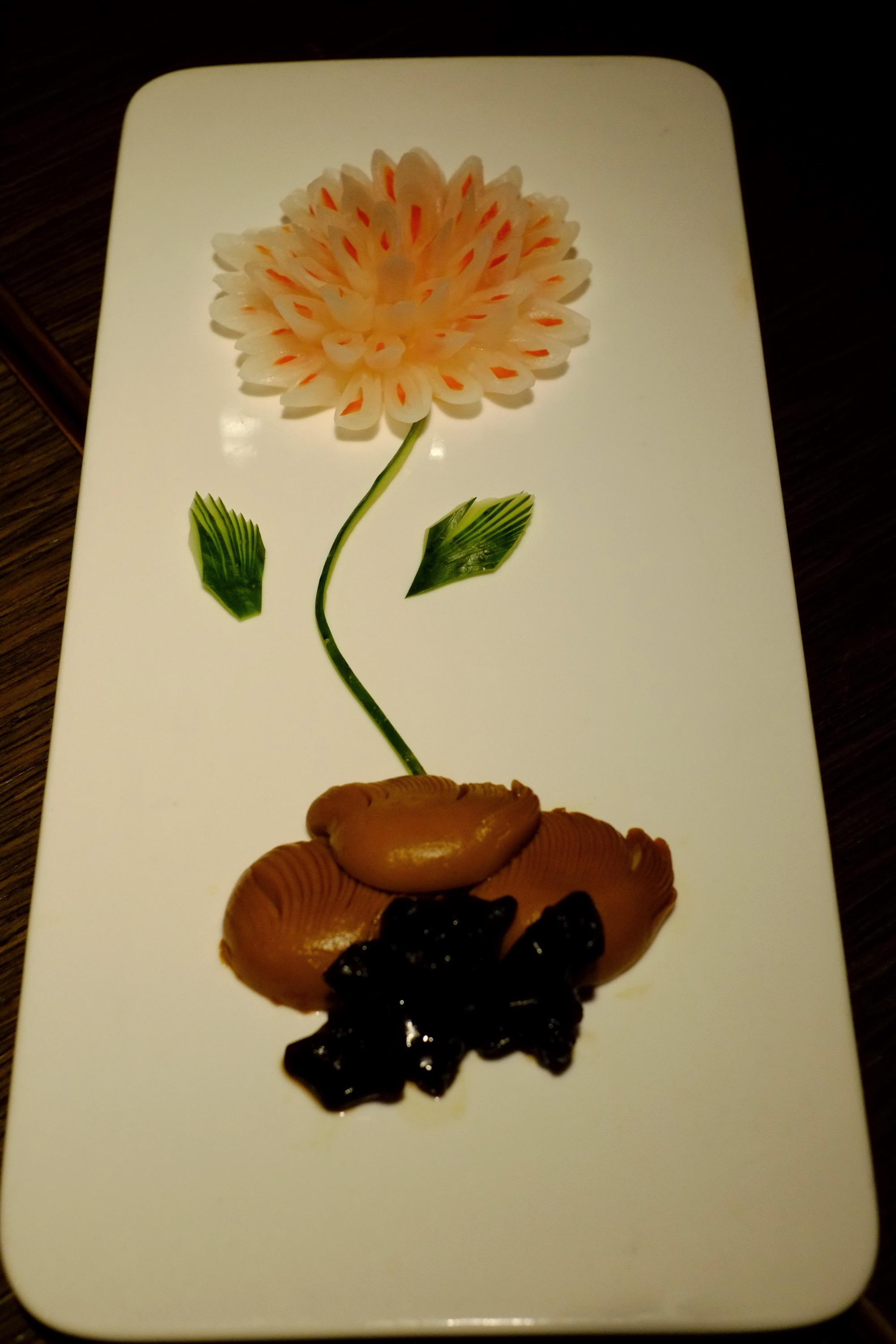
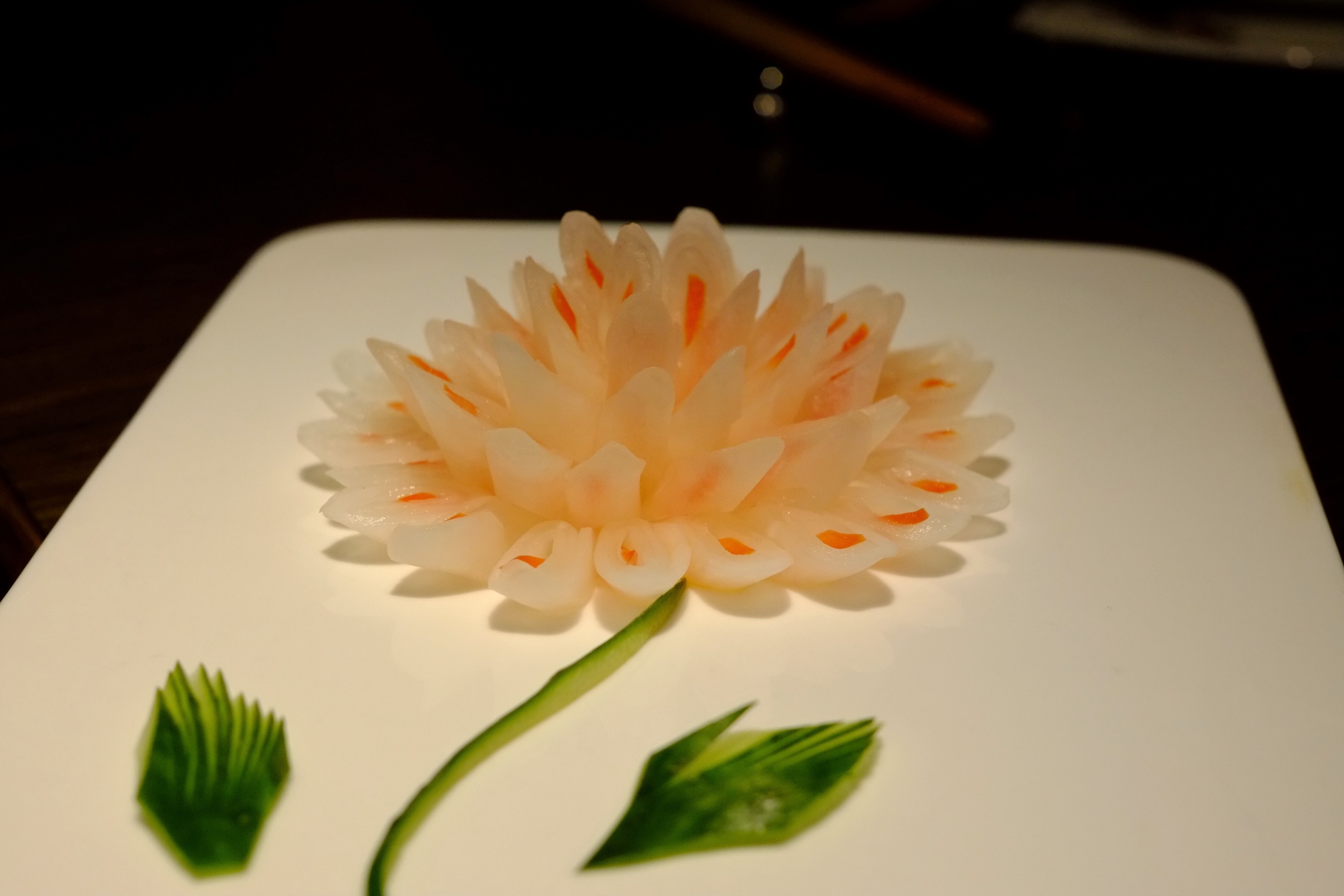
This weaves through the entire meal. Tofu shredded to emulate flower petals.

And cabbage made to look like blossoming water lotus.
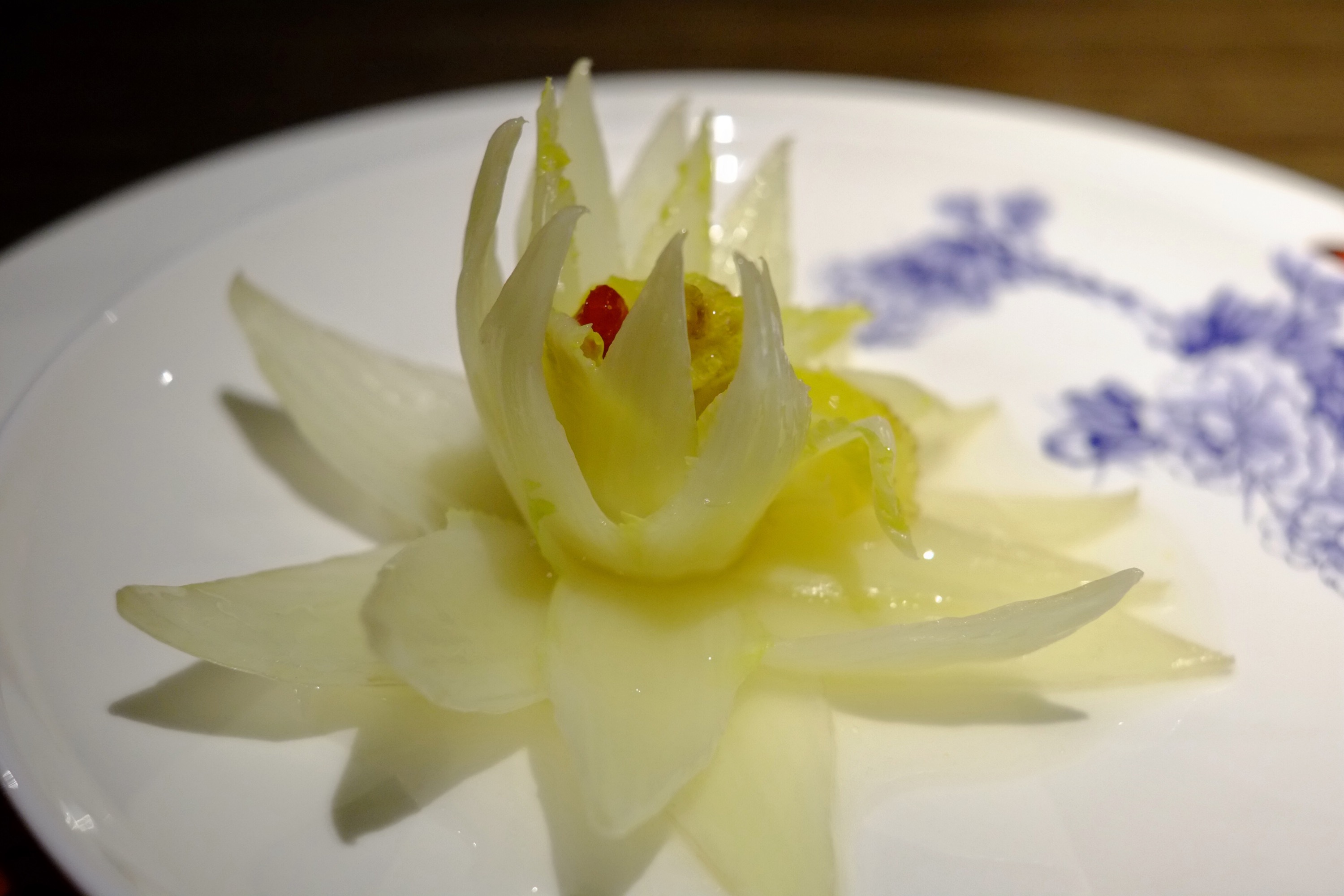
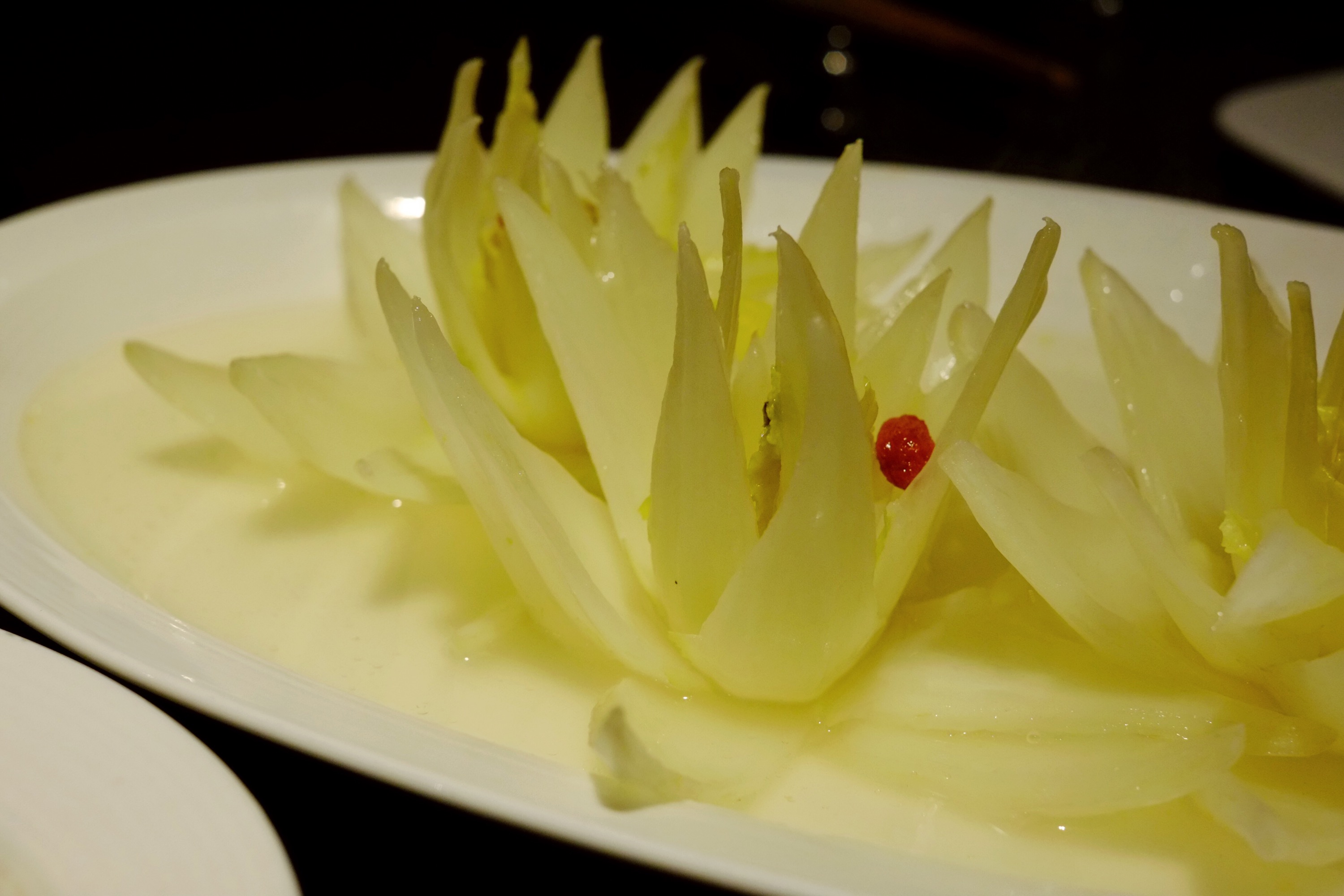
Whist we do eat with our eyes, these dishes are not only pretty, and insufficient with flavour, but they are far more delicate and balanced than what I had expected- thinking the proximity to Shanghai would reproduce that region’s bold tastes. No, these flavours are complex and deep, akin to Cantonese cuisine. Whist we do eat with our eyes, these dishes are not only pretty, and insufficient with flavour, but they are far more delicate and balanced than what I had expected- thinking the proximity to Shanghai would reproduce that region’s bold tastes. No, these flavours are complex and deep, akin to Cantonese cuisine.
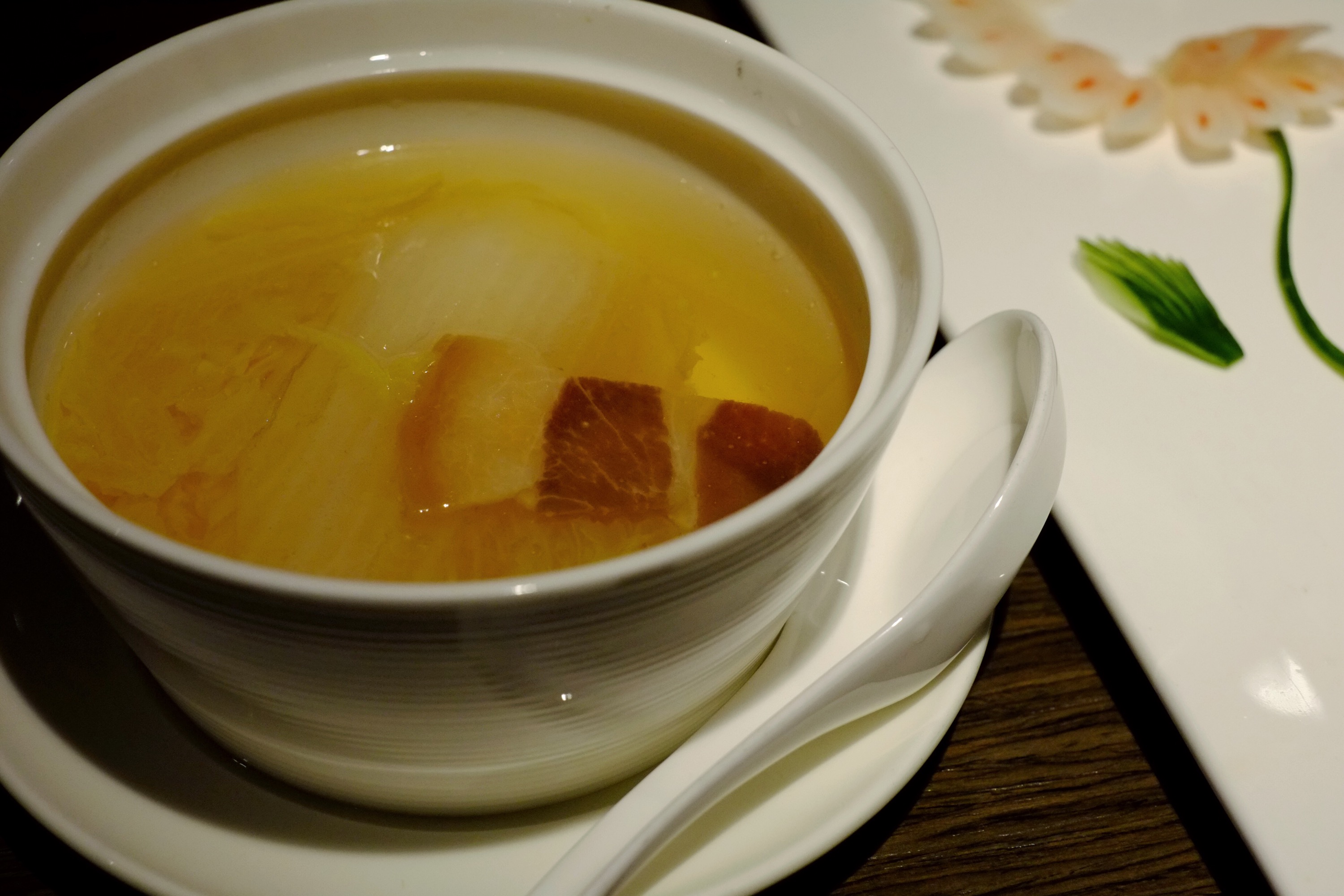

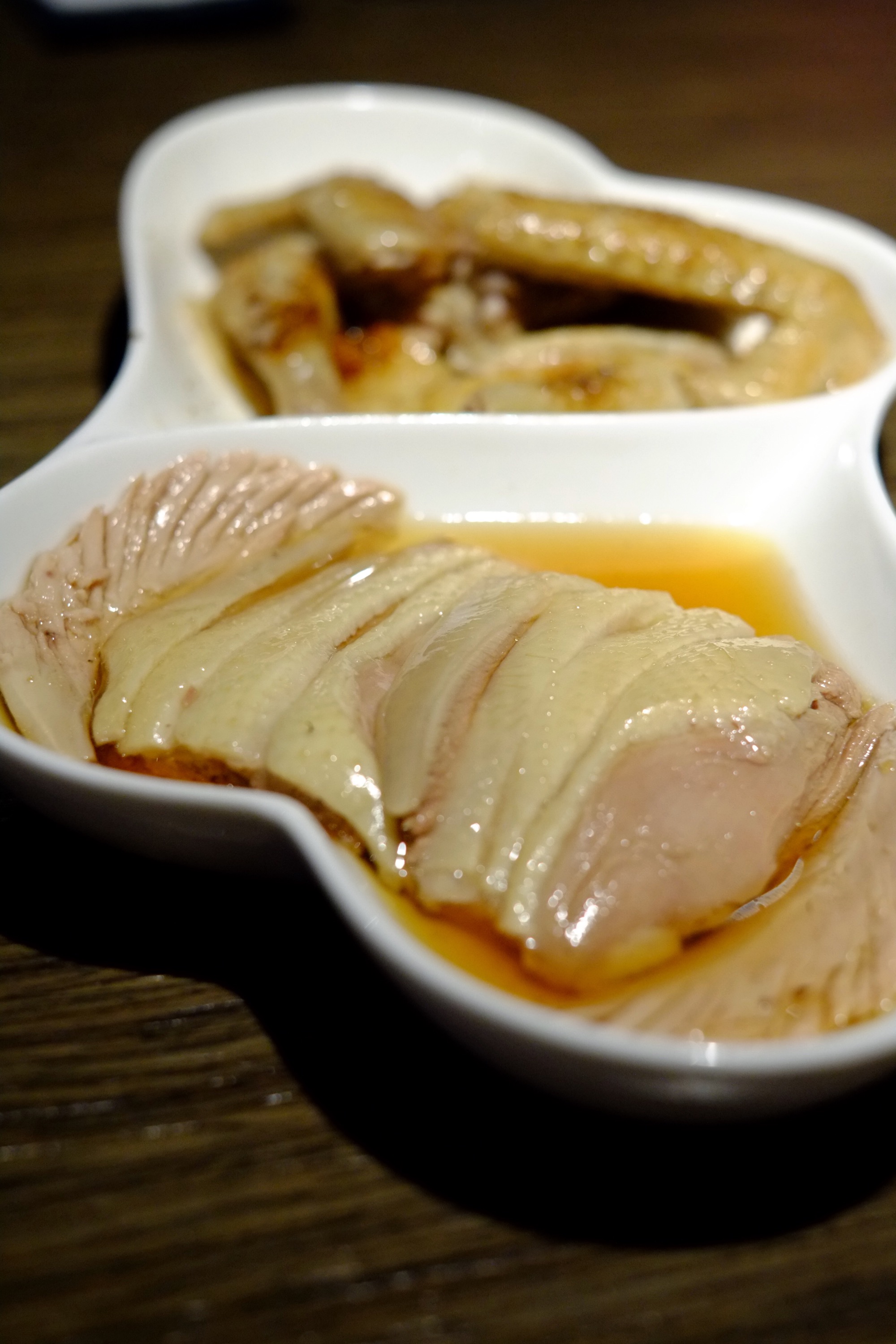

One of the surprise dishes was pigeon two ways- drunken pigeon breast and flash fried legs and wings dusted with a spice mixture.
The fish is an indigenous specie from the region. Unfortunately the fish has to be flown in frozen. It’s steamed with Jinhua ham and fermented rice. It’s equally subtle, tart and salty (good! salt and umami from the ham)
We did take a detour with an order of Peking duck.
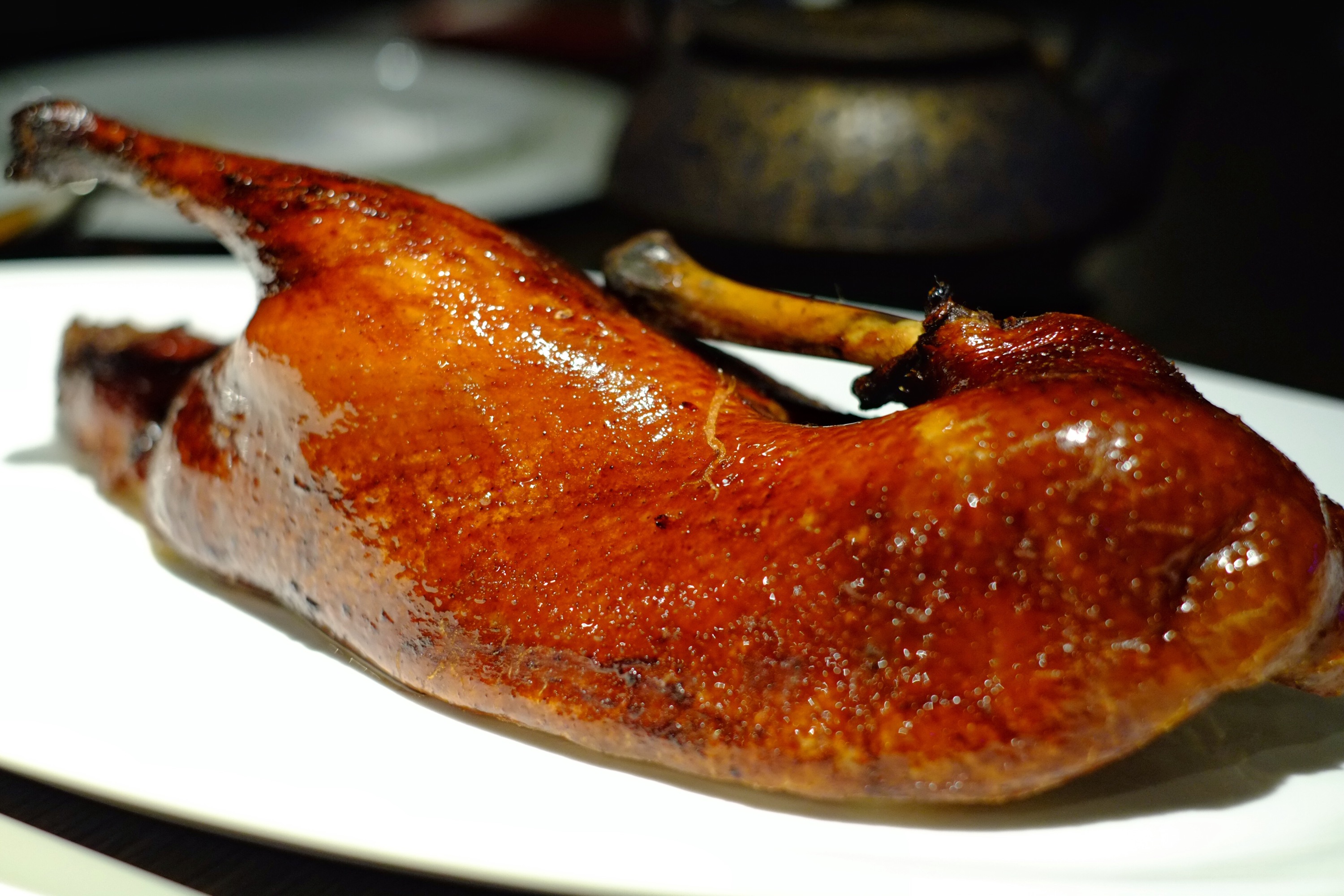

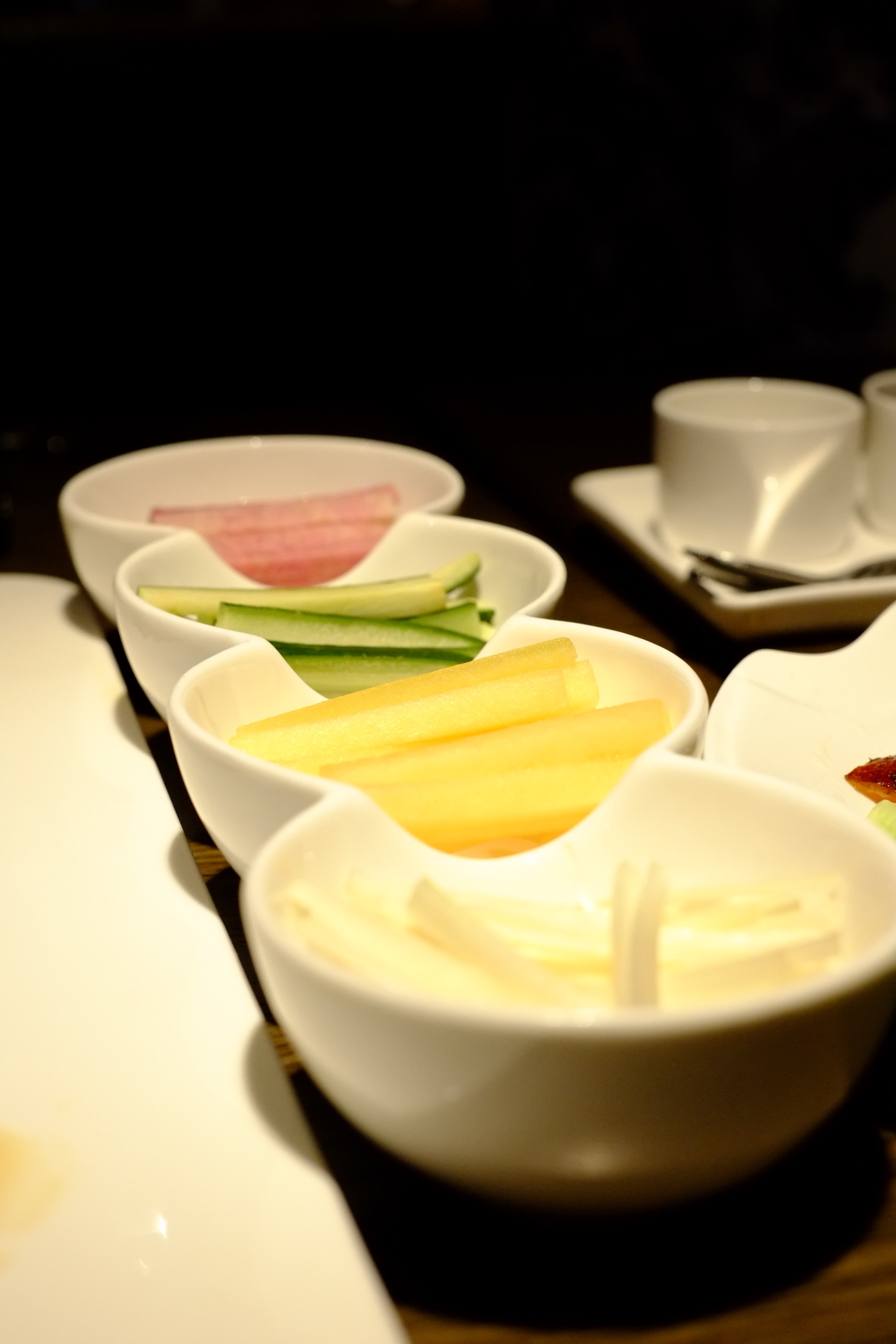

Gorgeous crackly skin and an amazingly thin pancake and a superb sauce. Meat was on the bland side though.
The last two dishes took us back to traditional cuisine with a crispy rice soup and braised pork belly in vinegar. The soup draws you deeper and deeper with each spoonful, bringing you back to something familiar in Chinese home flavours while the spoon tender belly lacked depth in flavour- sadly as the wait staff and kitchen forgot the original order and had to rush this one out.
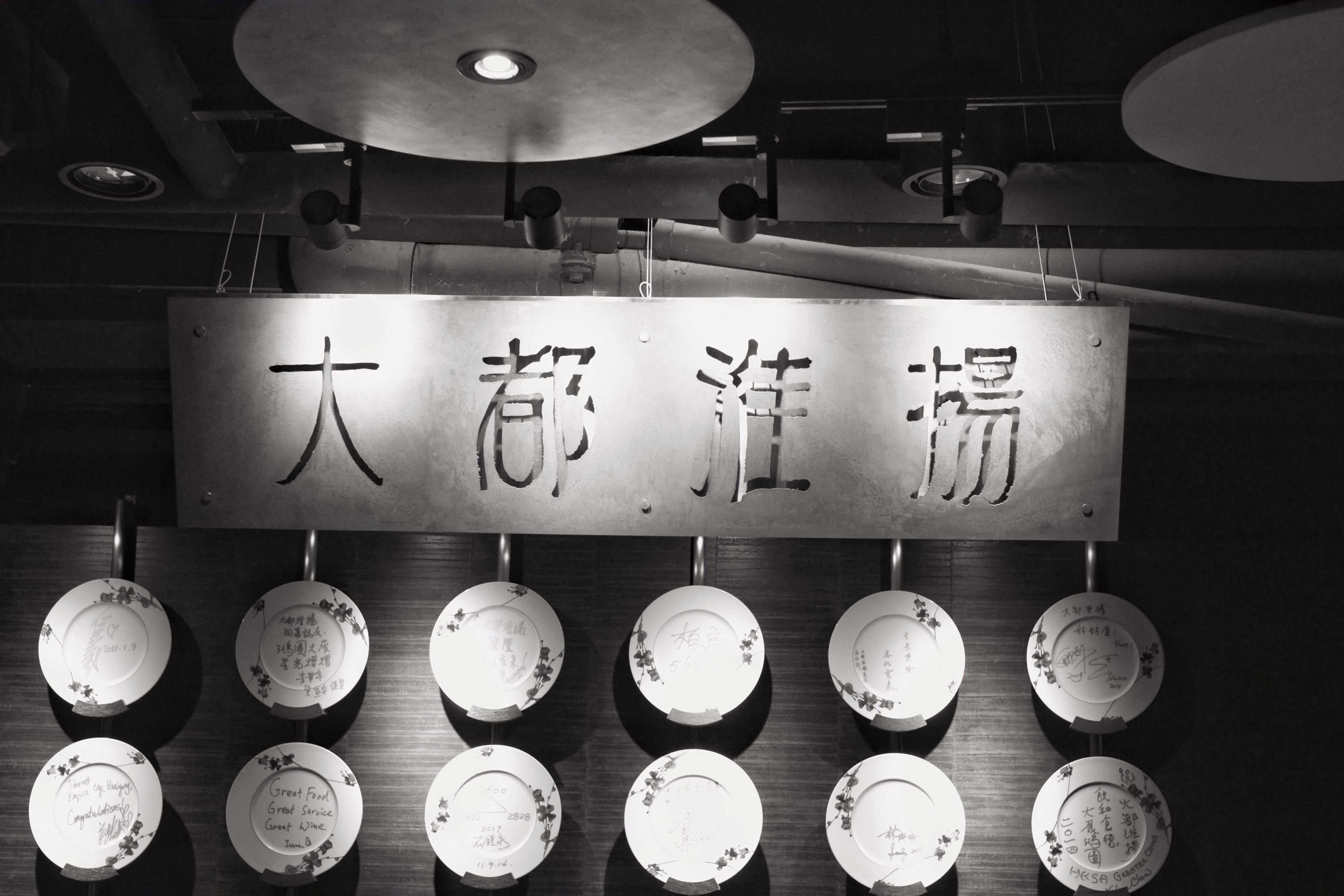
Empire is a beautifully designed restaurant with an exceedingly good food, one I’d look forward to visiting on my next trip back.

An unexpected gem is always welcomed by any traveller. I found mine from Monocle’s travel guide book, the impeccably run T Hotel in the outskirts of Hong Kong island, Pok Fu Lam.
With breathtaking views and an ever alert student run hotel and cafe, The “T” brings a breath of fresh air to budget yet style conscious traveller.
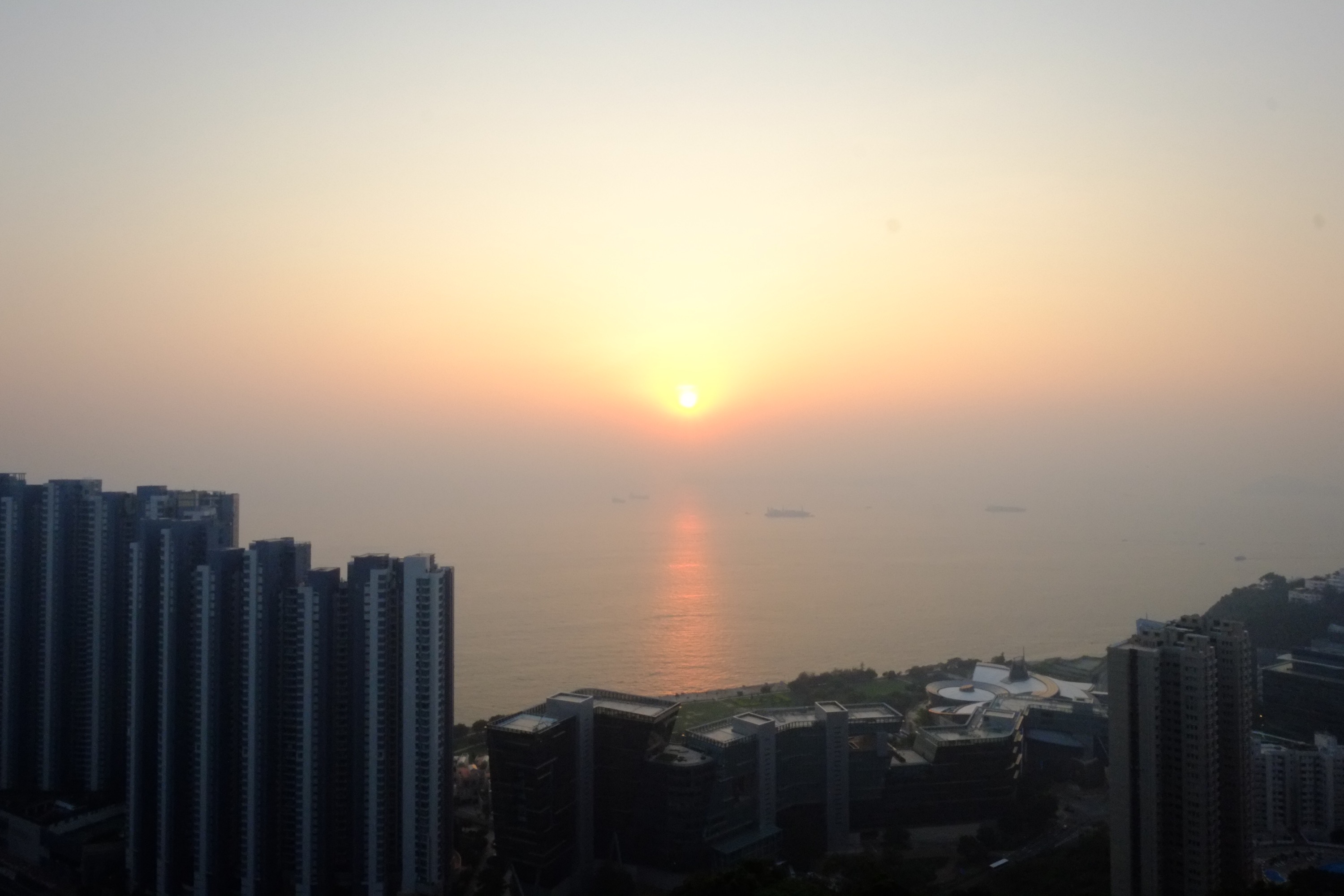
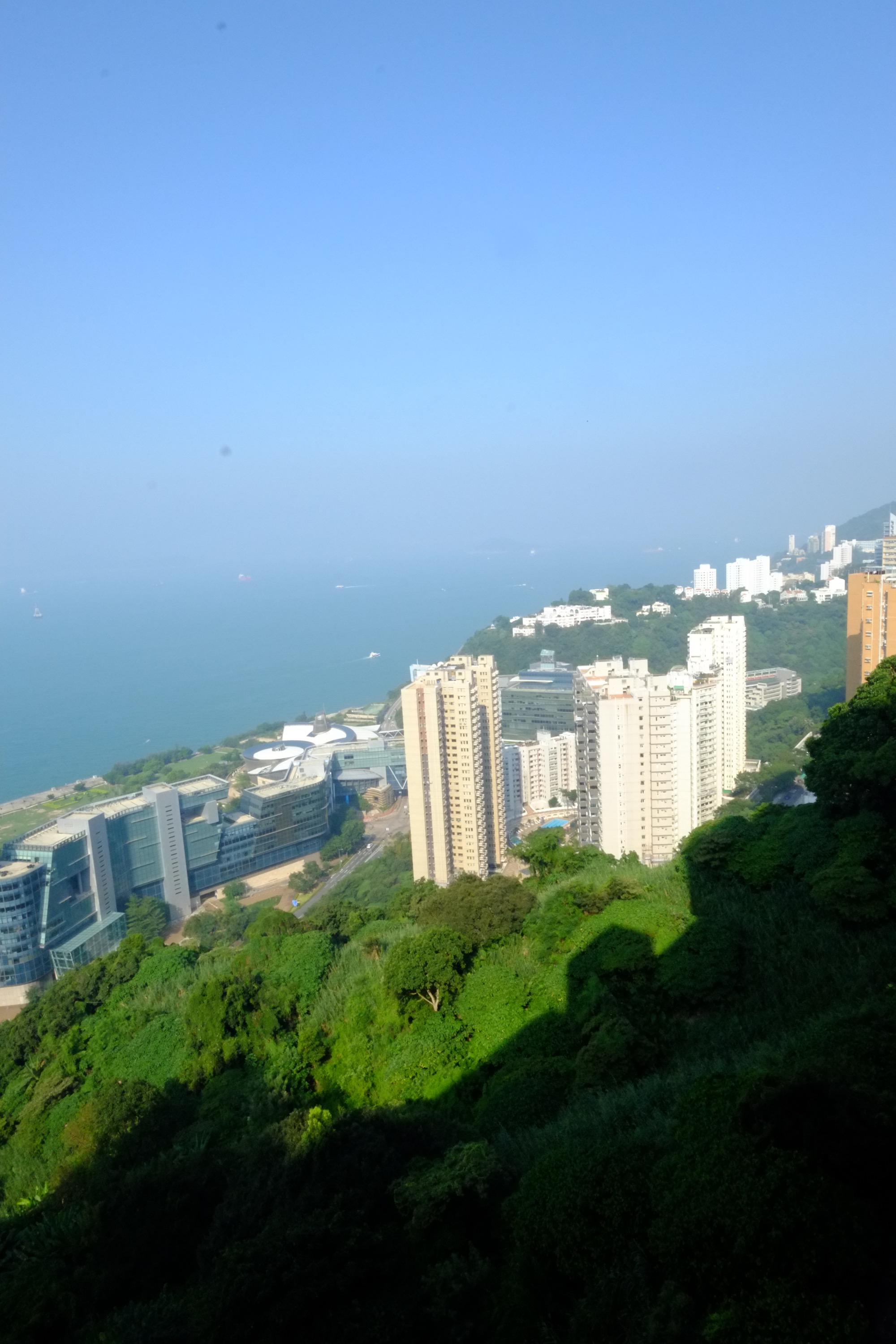
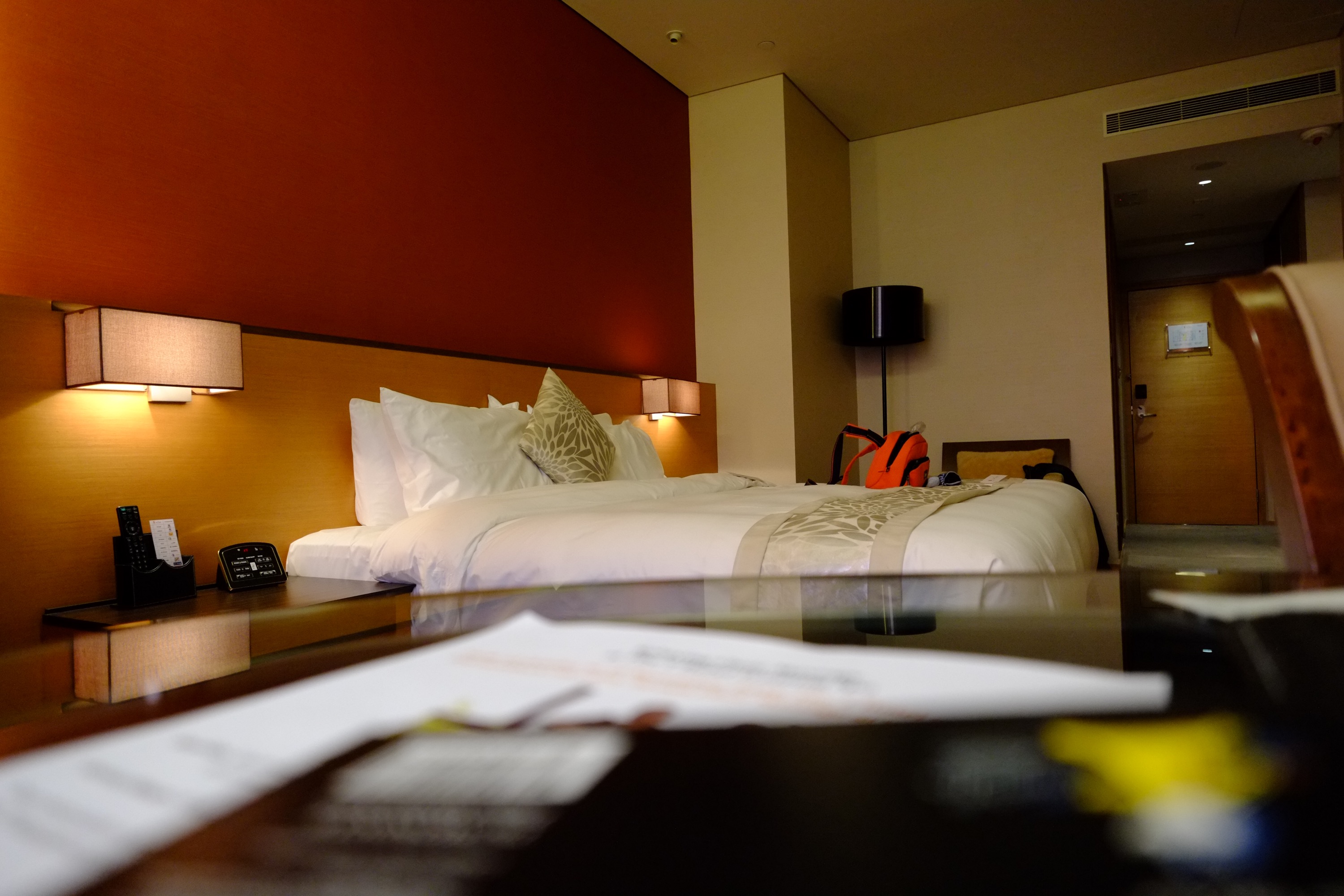
T’s rooms are well appointed and well thought through. The bathroom has a rain shower and heating lamp for winter. I’ve seen rain shower heads but not heating lamps in Hong Kong hotels.
The console for gadgets is intelligently tucked away next to the phone yet well placed for international plugs (none of those odd and ends where your plugs are too big to fit into)
The Neighbourhood is a plus, retaining some charm of the old world and grittiness that often gets white washed in modernising asian cities.
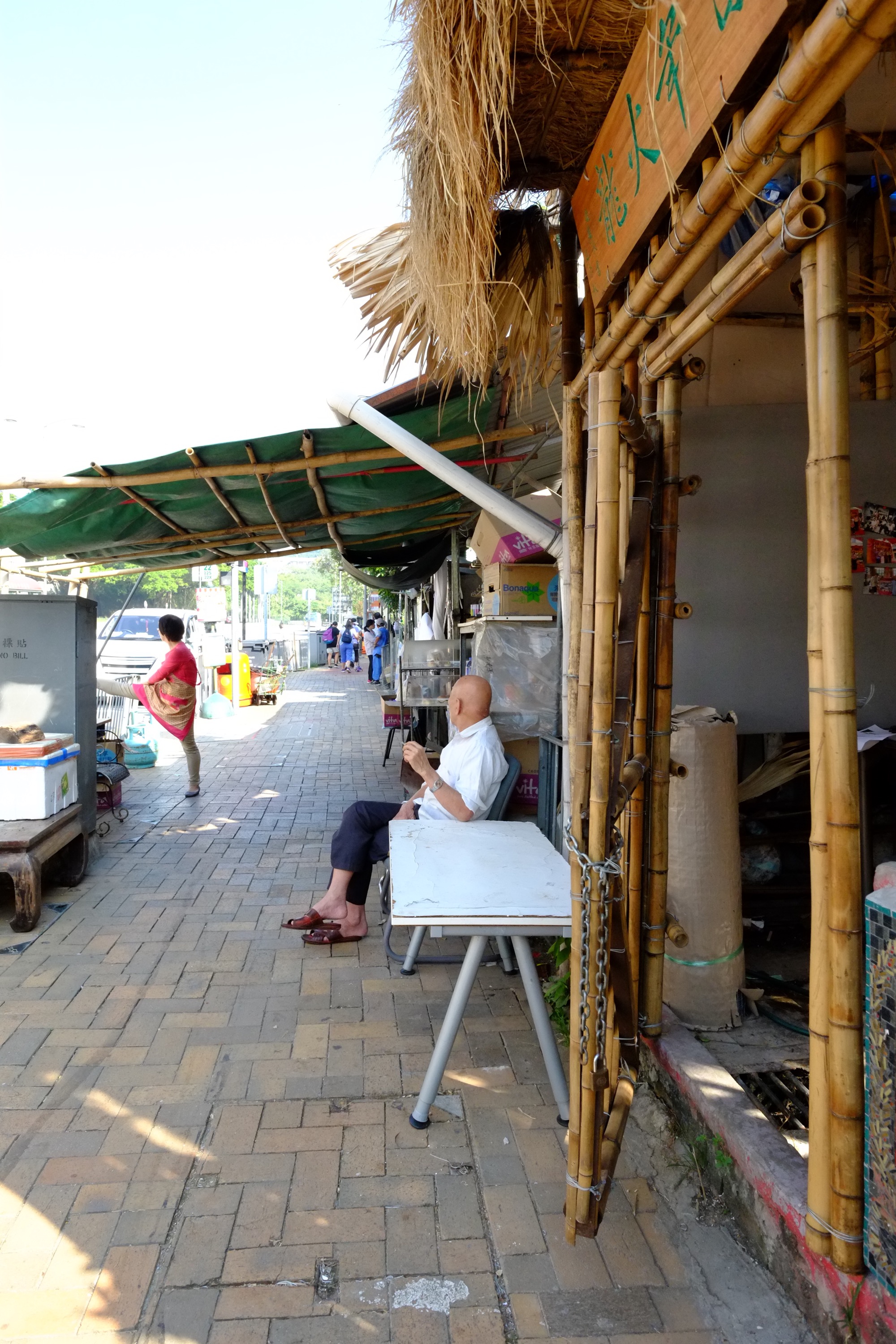


My only gripe is its location and the difficulty in getting a cab driver to bring you here. Thank goodness for Uber though! It’s the same gripe that gives the T its charm. Location.
It’s a rarity for Hong Kong hotels NOT to have this view..
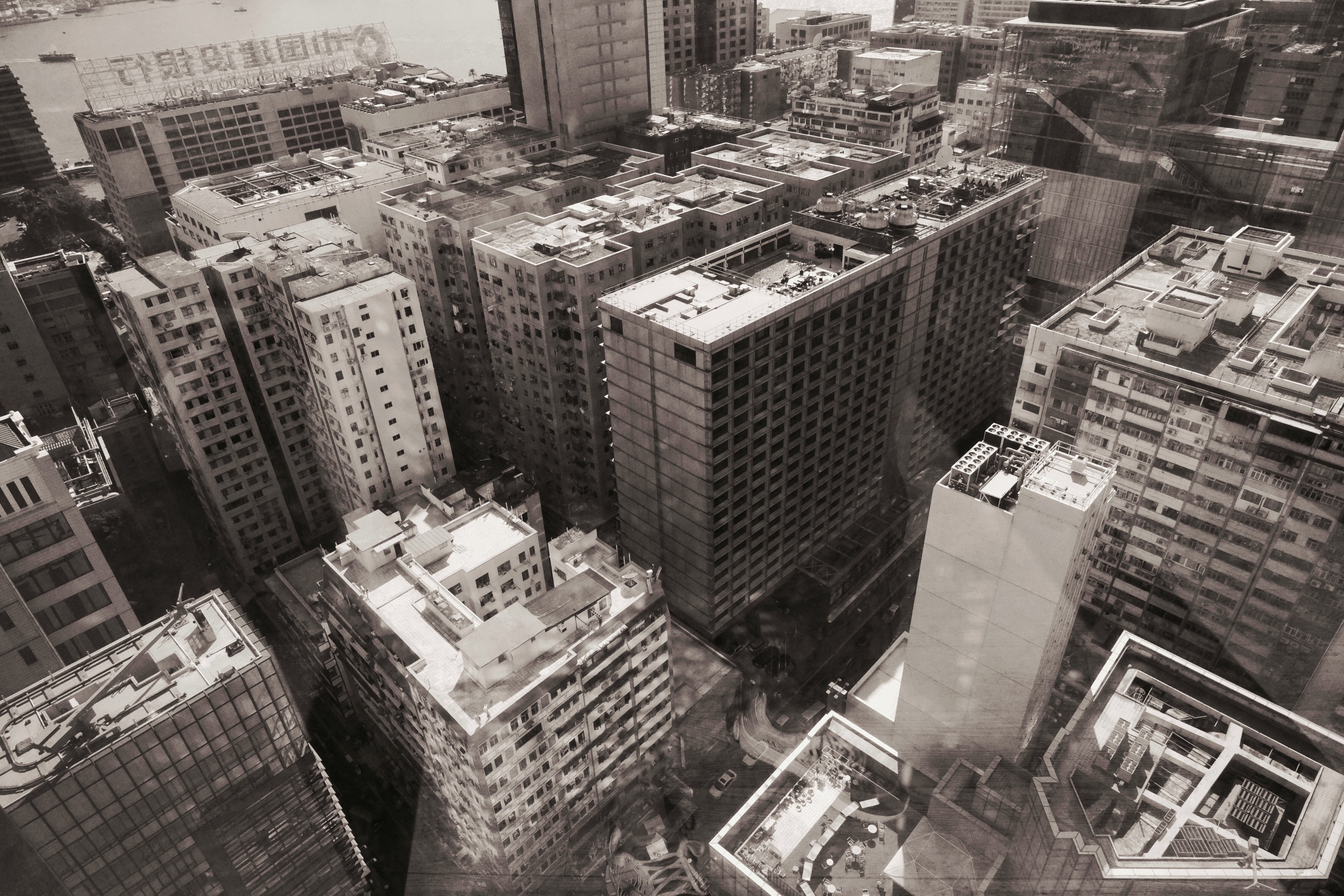
Rather, I have this view while having afternoon tea. (And the tea set is better in quality than what the Penn offers!)
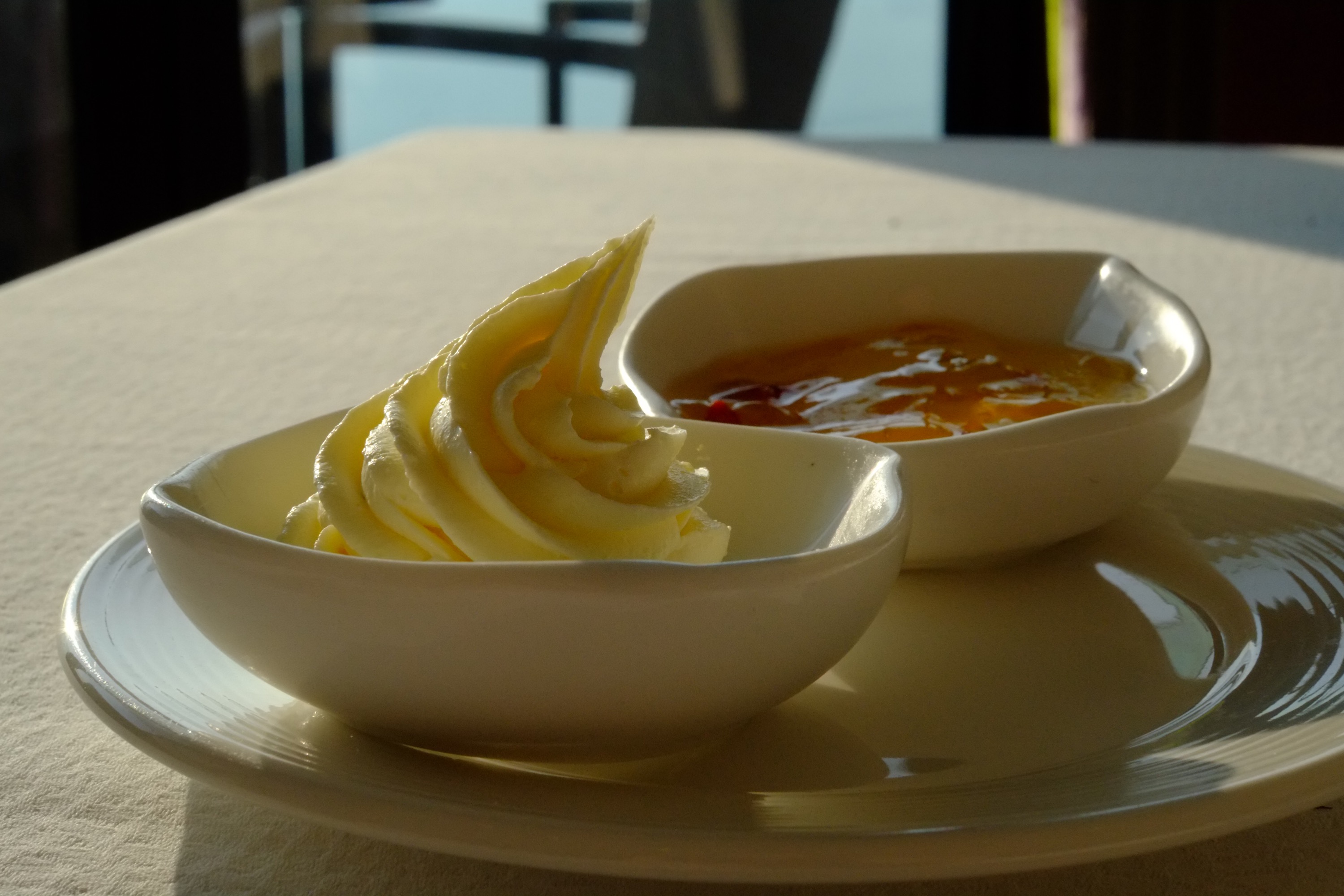

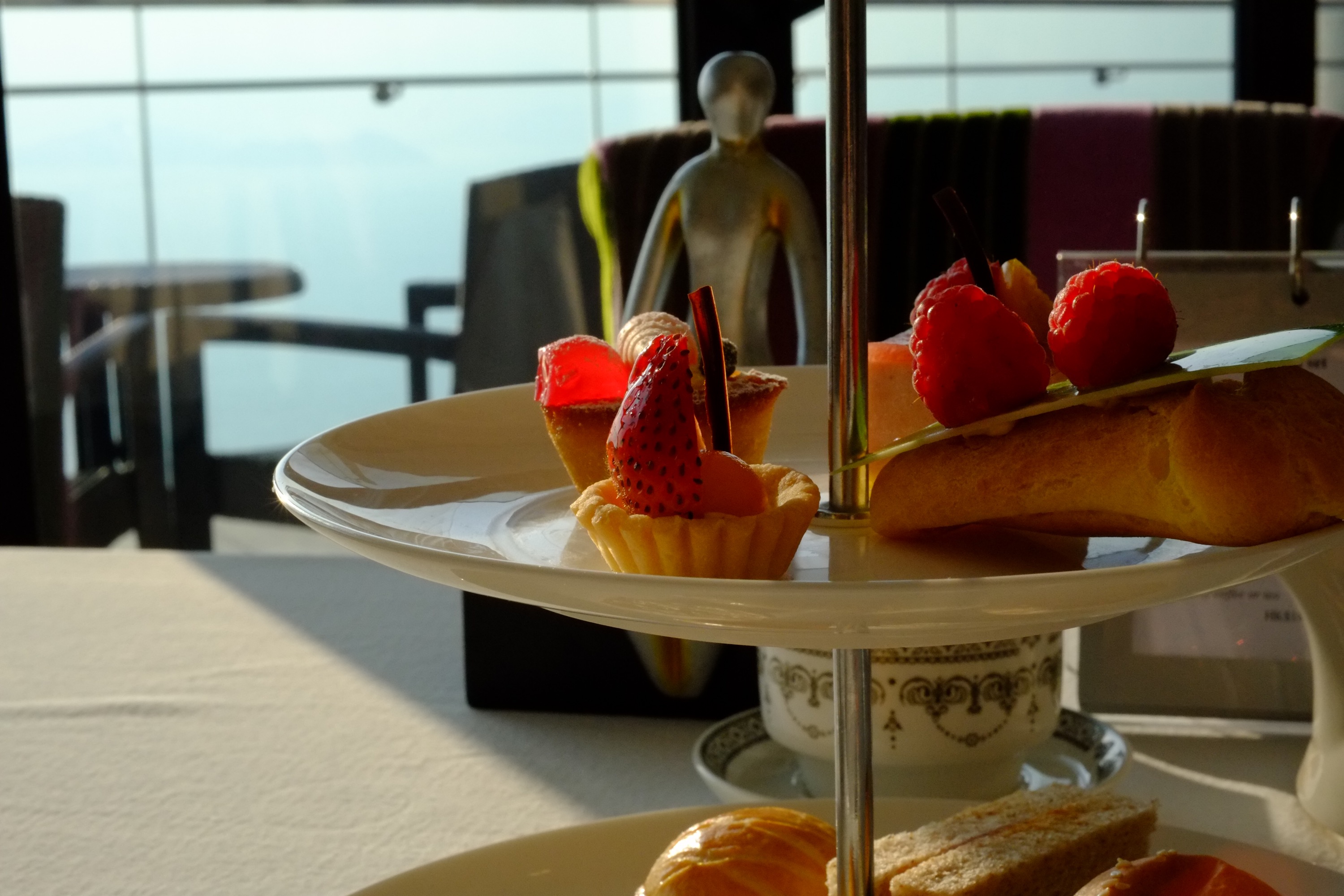
The T is a nice respite from the urban density that Hong Kong offers. I for one love and dislike that density at the same time.
The T offers me a small sanity check after roaming the streets of Hong Kong






My single favourite dining guest would be “A” from Hong Kong. His presence both terrifies me as a cook and inspires me at the same time.
I had scant notice on his arrival and I composed a menu which would hopefully speak to him.
In the past few years, I pushed the envelope on richness and luxury ( Uni, truffles, red wine -veal demi glace reductions).
I wanted to step back and reflect on the basics , taking us back to basics.
The menu was Burrata with confit of baby Roma and 30 month old prociutto followed by tripa ala Romana and pasta with capers, olives and anchovies, the main would be a duo of pork and beef- unadorned.
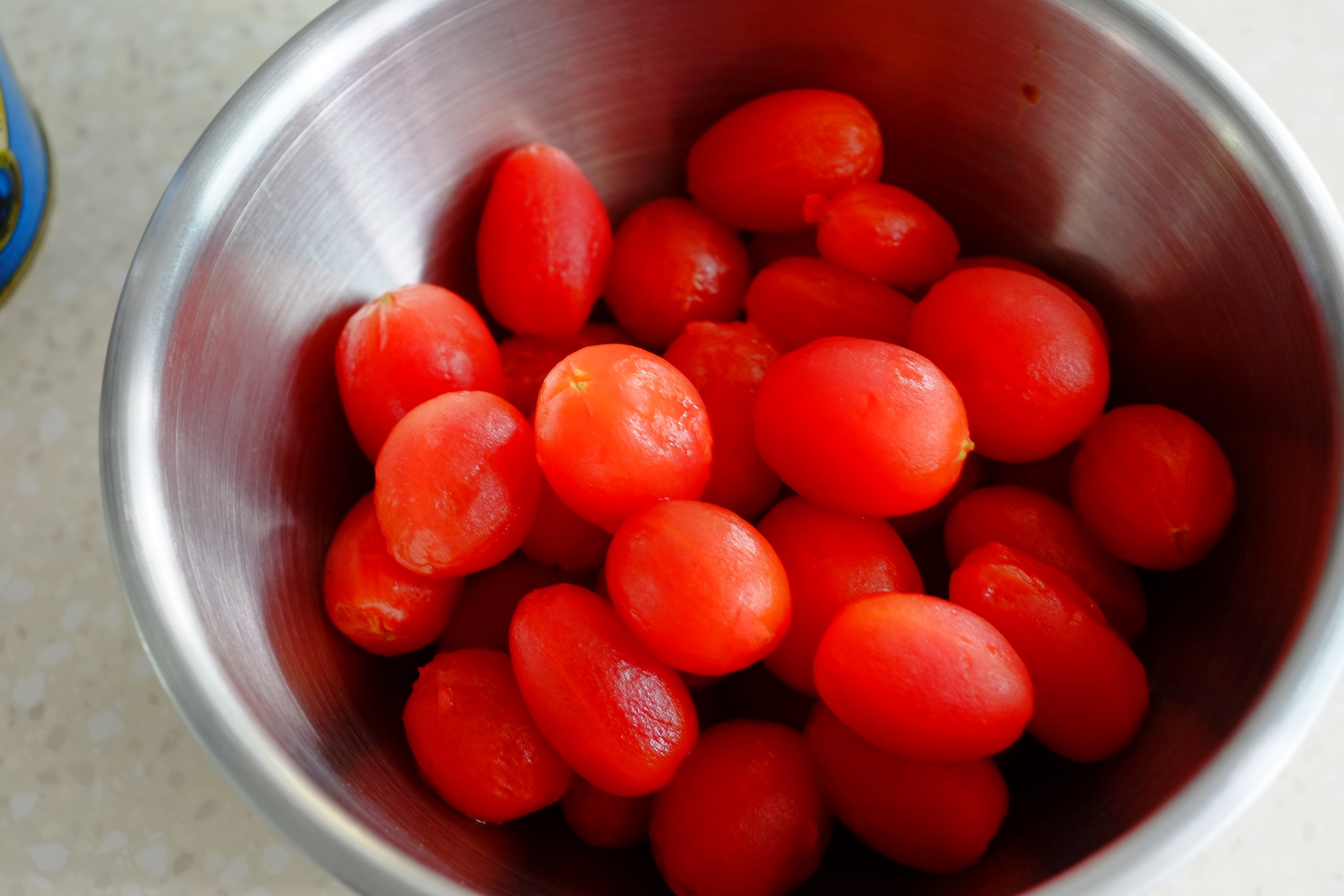
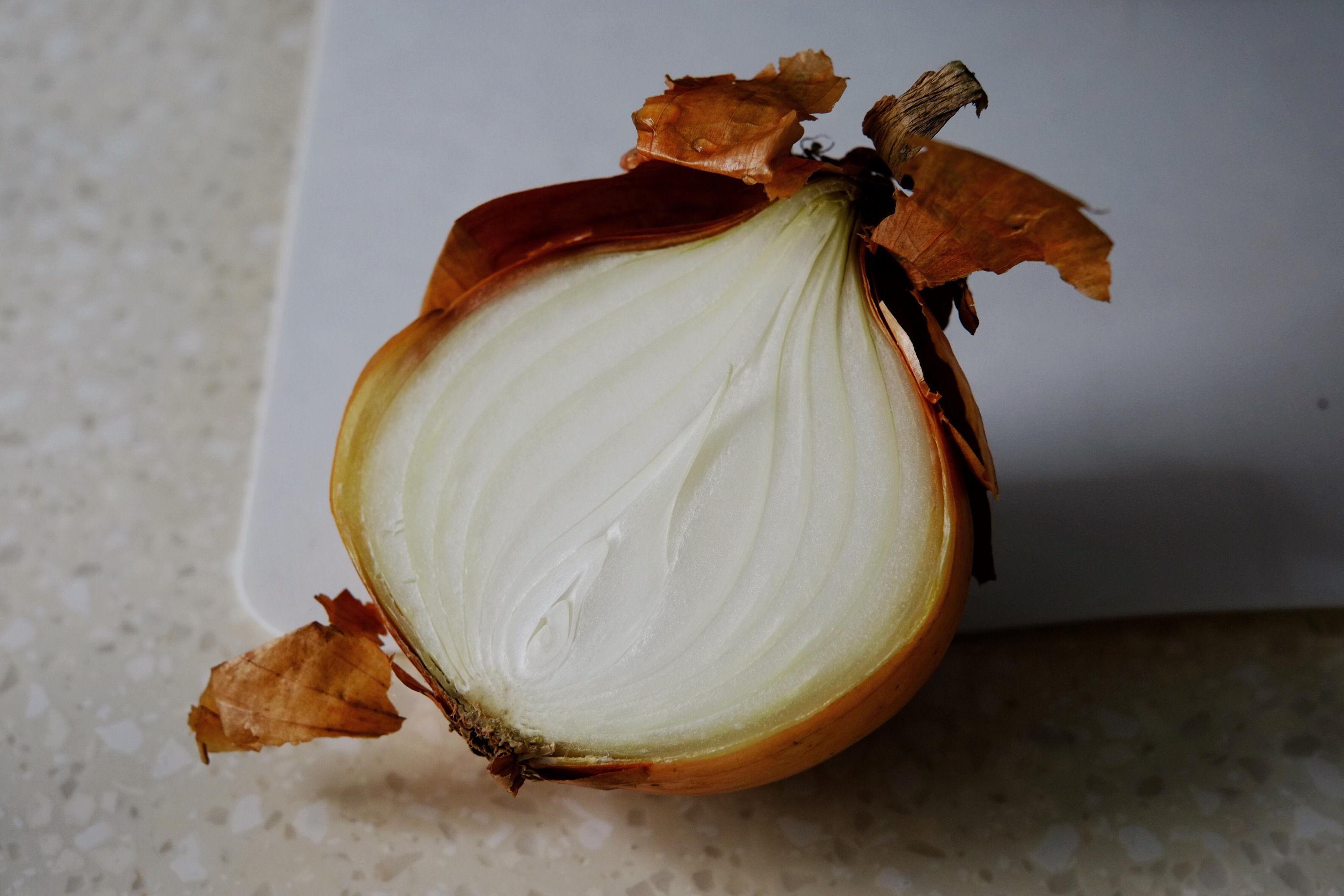
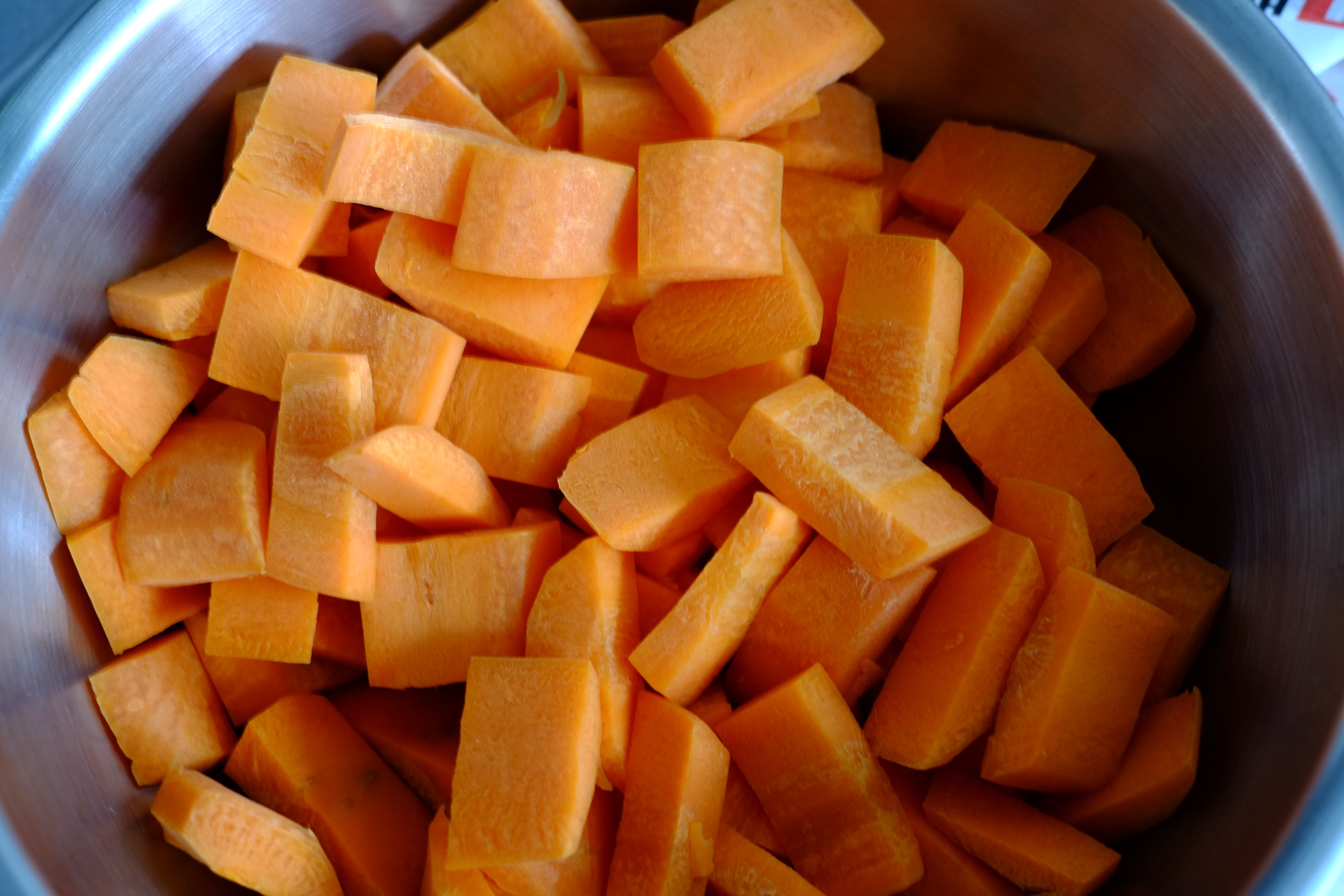
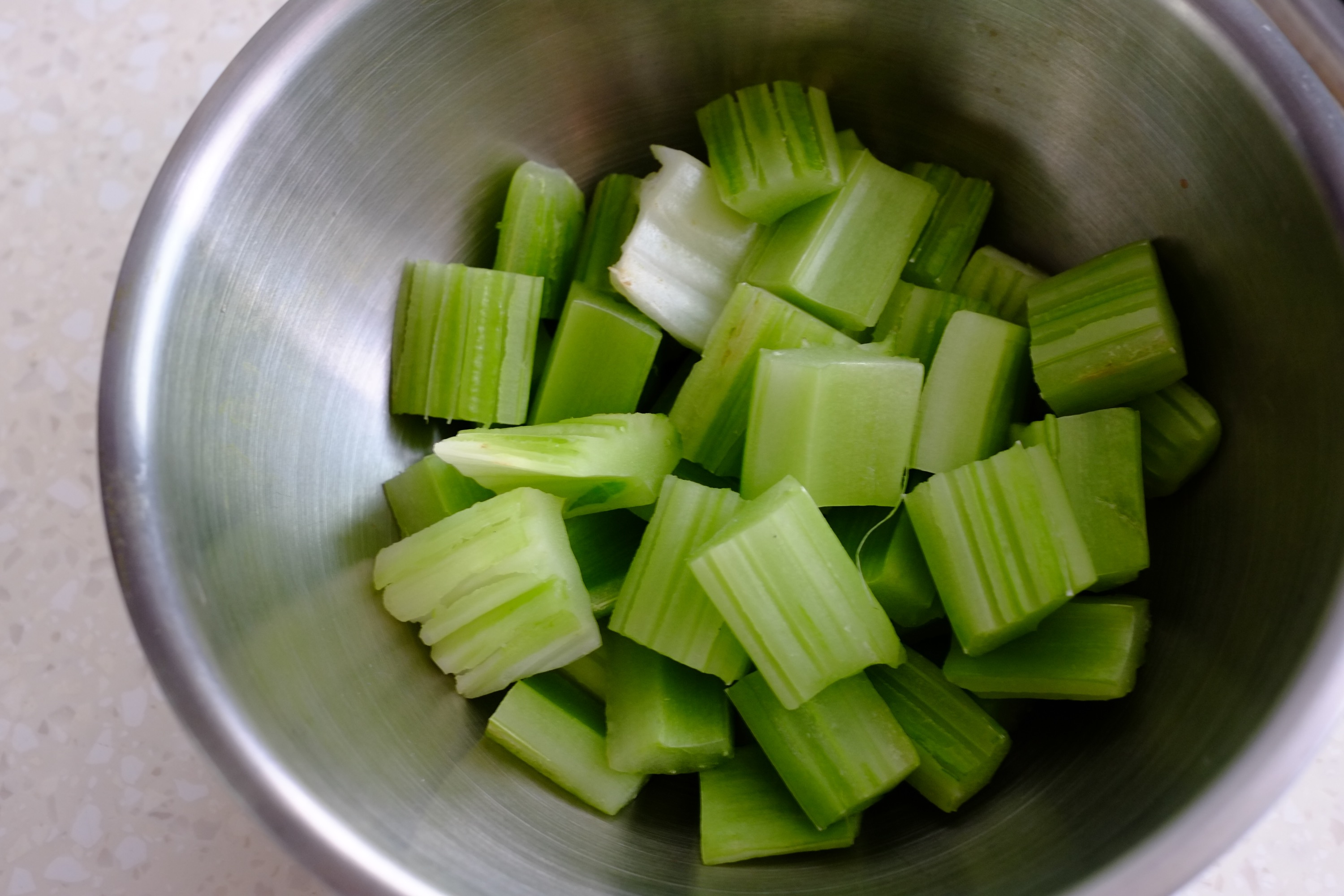
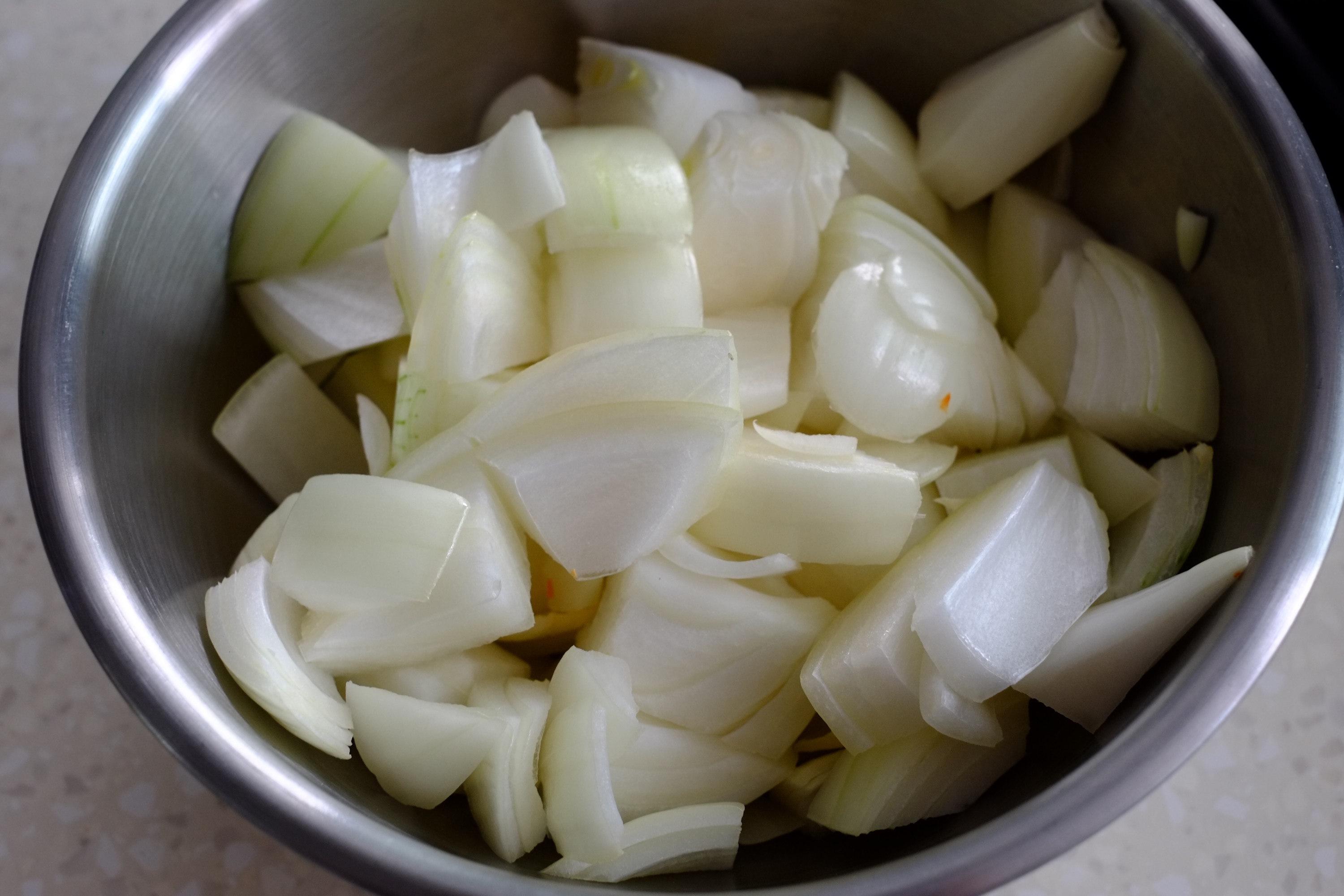
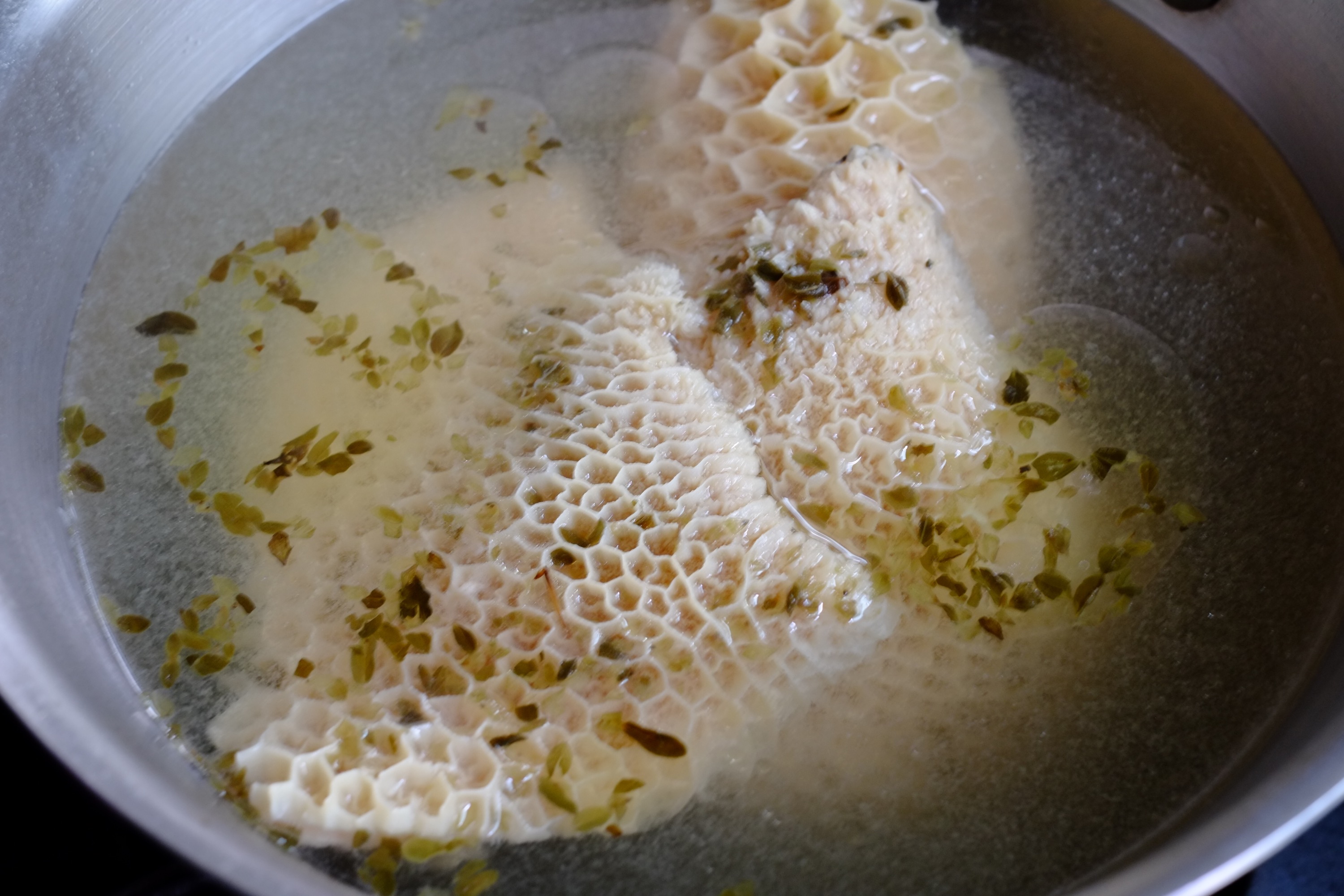
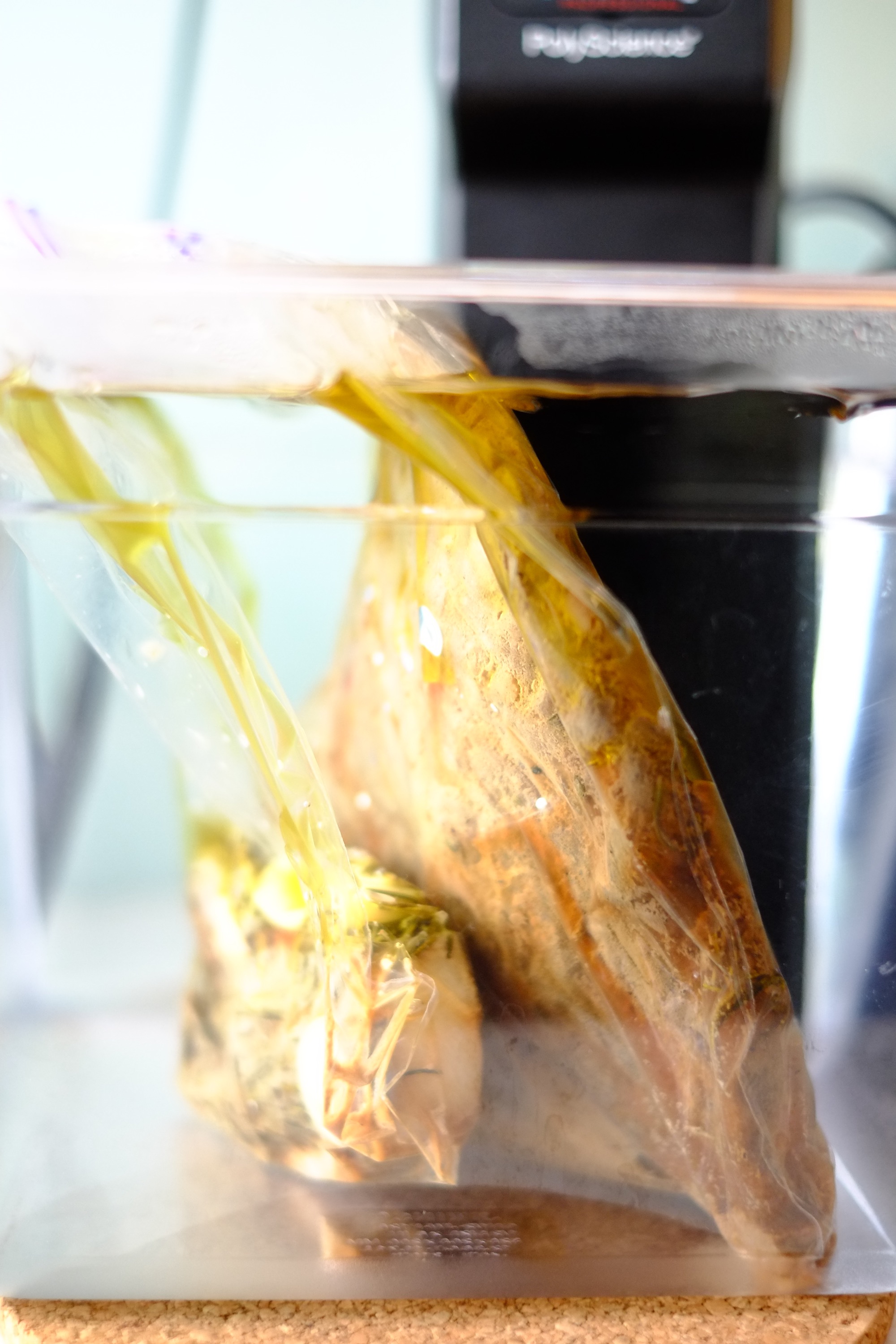
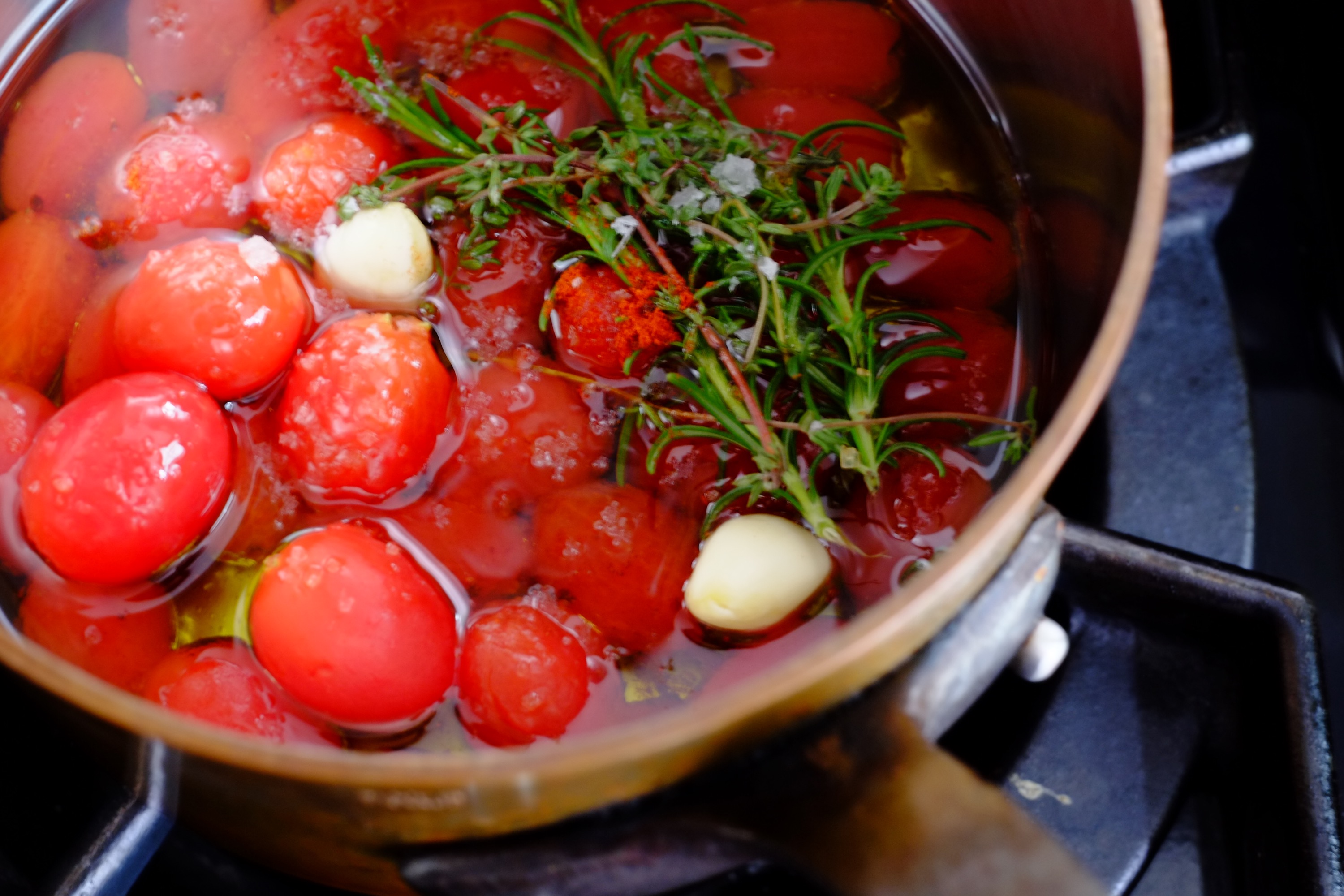

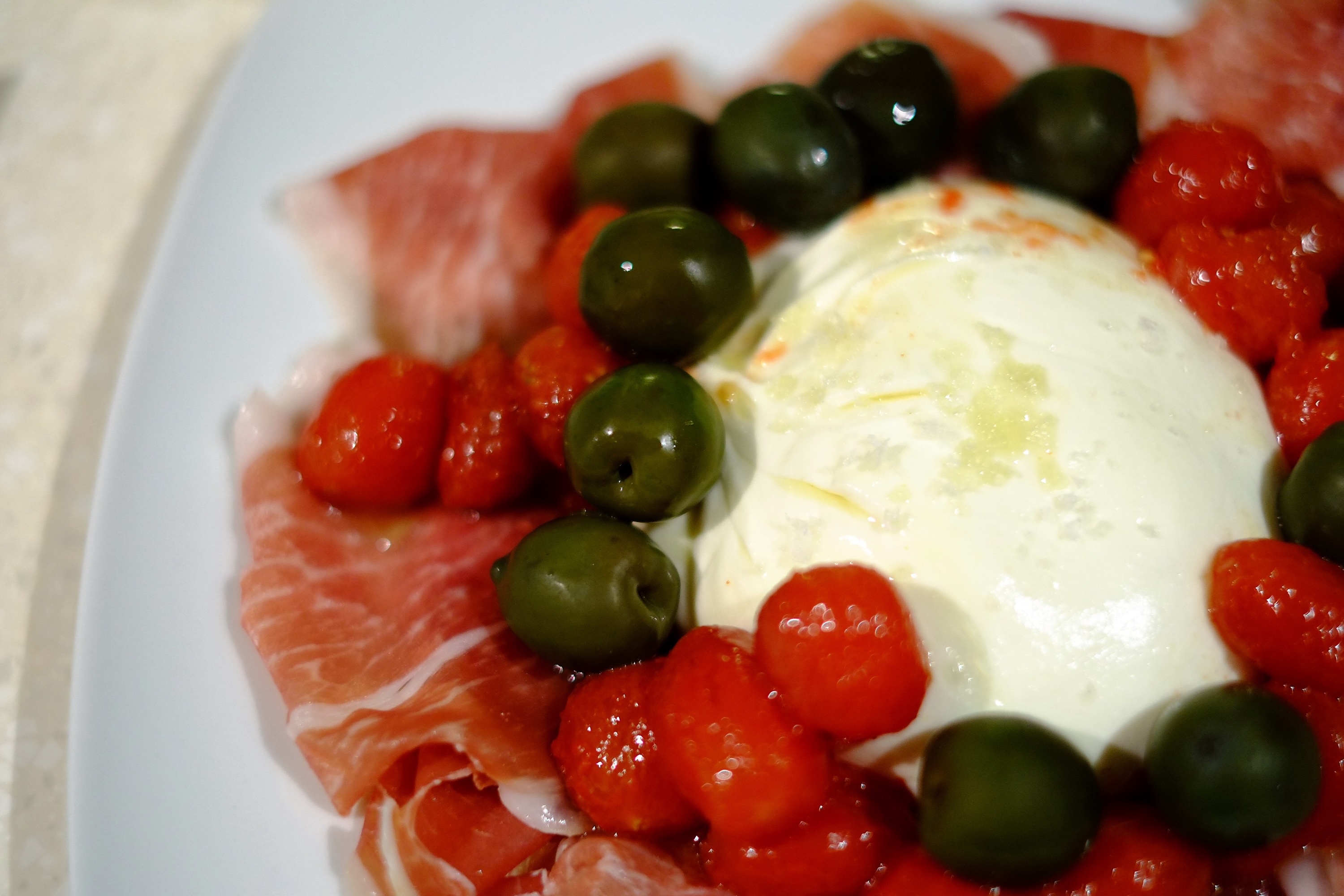


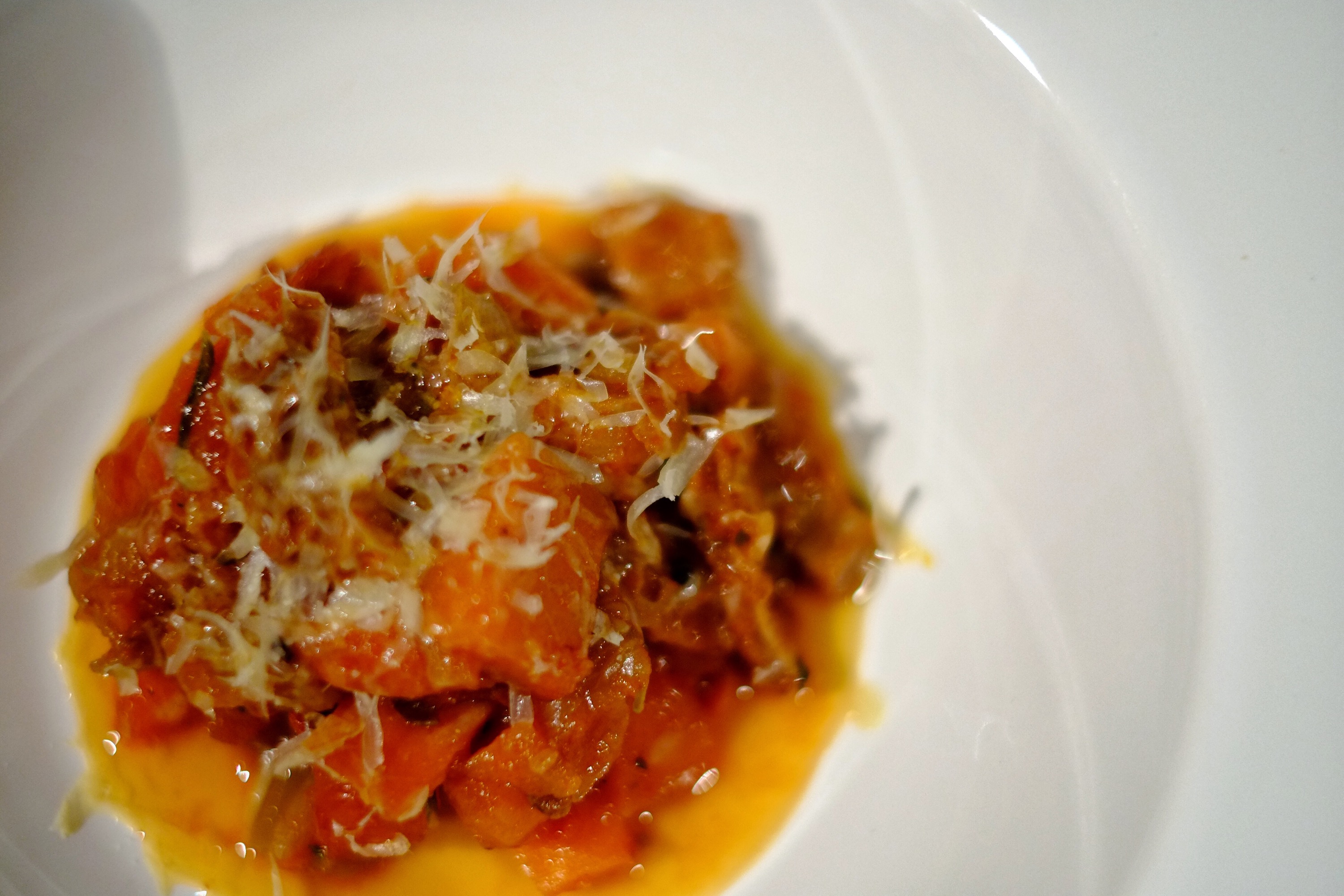
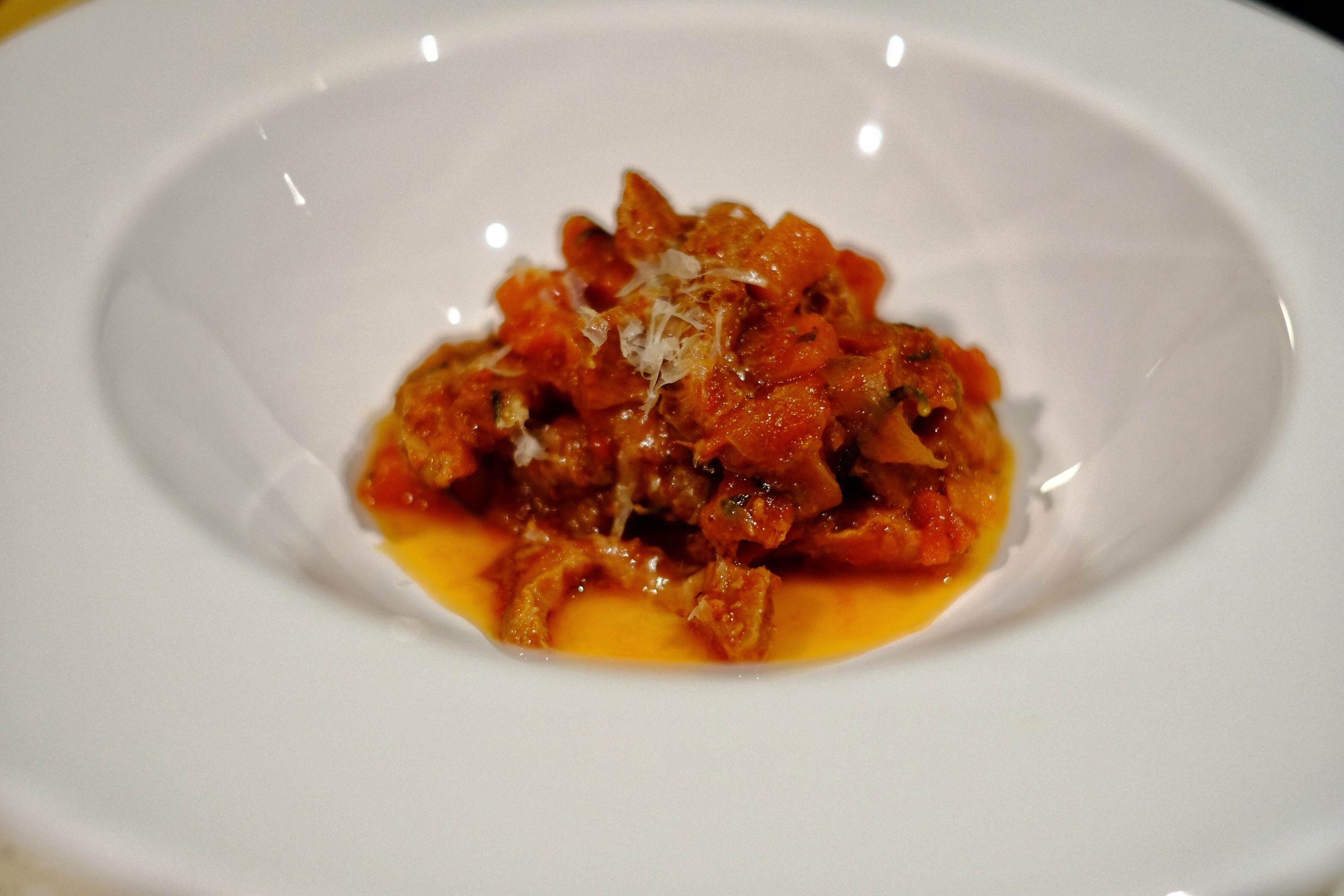


In classic style , we end with a healthy shot of espresso and whisky.

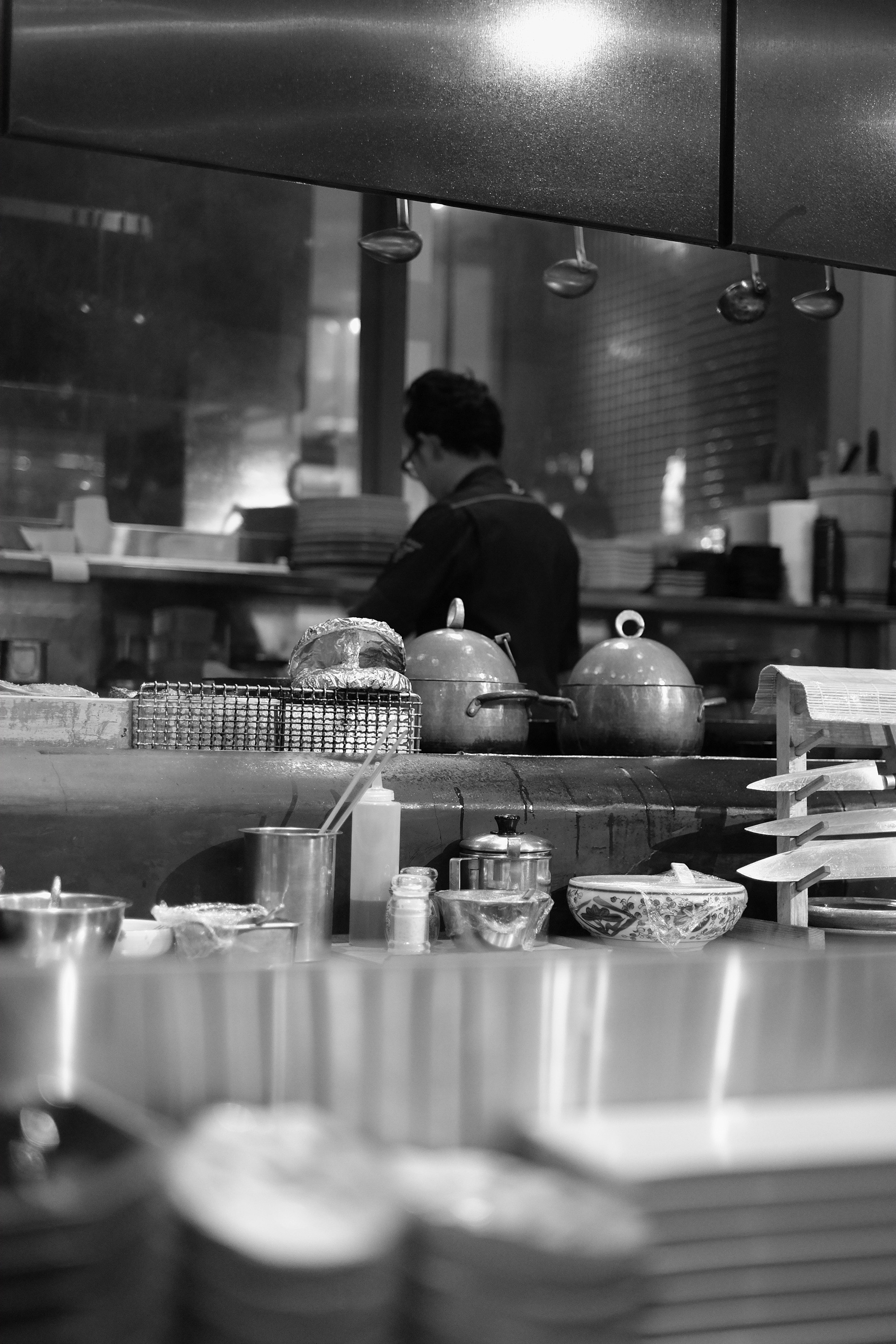
I’ve been here before. In fact, I’ve been coming here for years. It’s my favourite Japanese place in this part of the world (outside Japan of course).
I’ve always wanted to “document” this place, especially that this is a hyper competitive food scene where you’re swallowed up by the fickle nature of its diners.
Thankfully after years in operation, it’s still here.
I always come back for that Nagano rice, cooked in a copper stove top cooker. I’ve not seen this elsewhere nor would I be able to replicate it.


Suju of course brings more to the table than just amazing rice. For a “family style restaurant”, it does an amazing array of Japanese food styles remarkably well.
Perhaps it’s anchored well by two fundamental things, the first I’ve touched on and the second focuses on its soy bean products- soy sauce and miso. It’s is a common element in this cuisine however Suju’s soy goodness lacks the ever present preservatives and chemicals often present in the supermarket versions.
Coupled with a strong foundation in treating ingredients respectfully and classical techniques, the food is excellent.
This is an unpretentious place, food straightforward and honest.
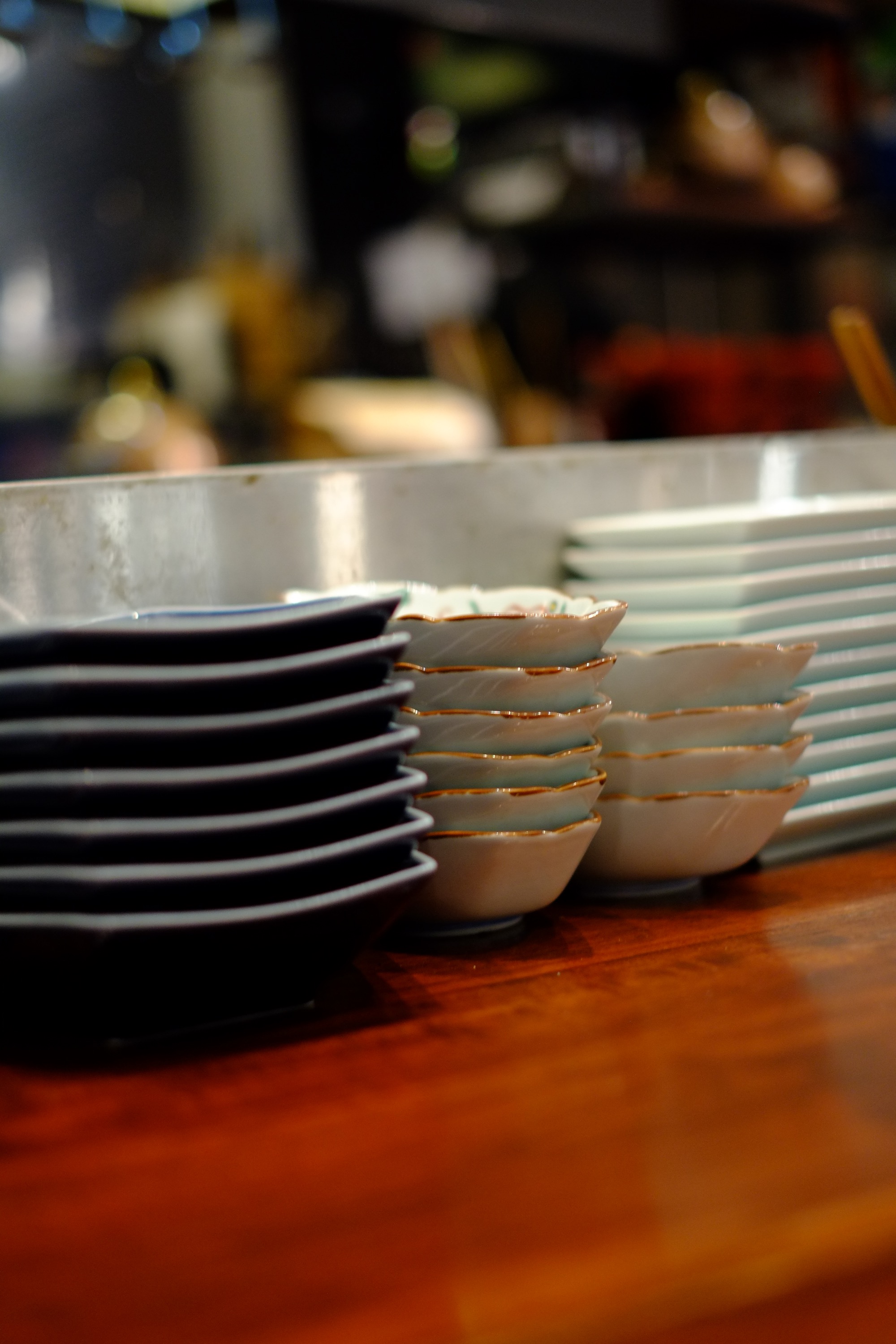
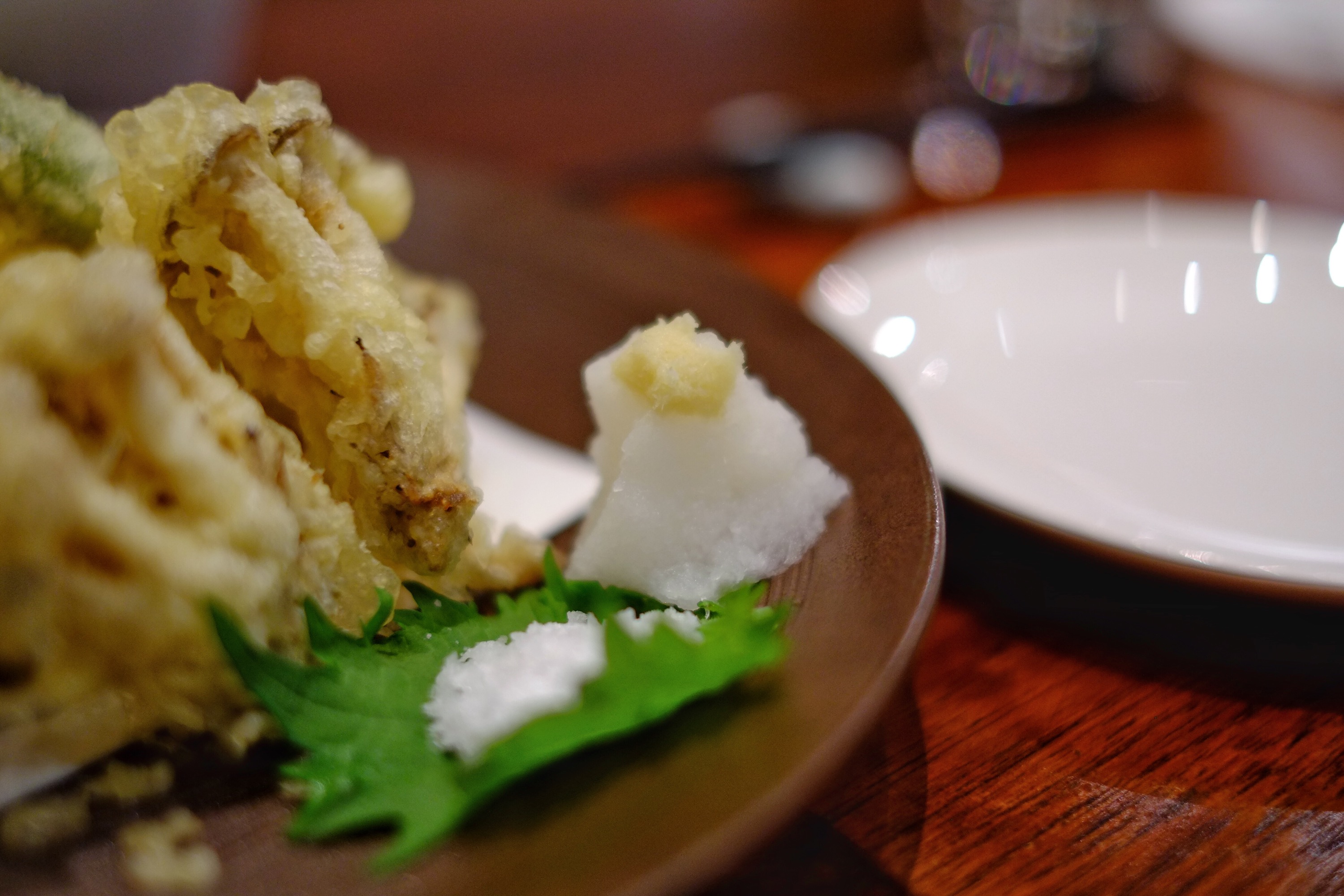
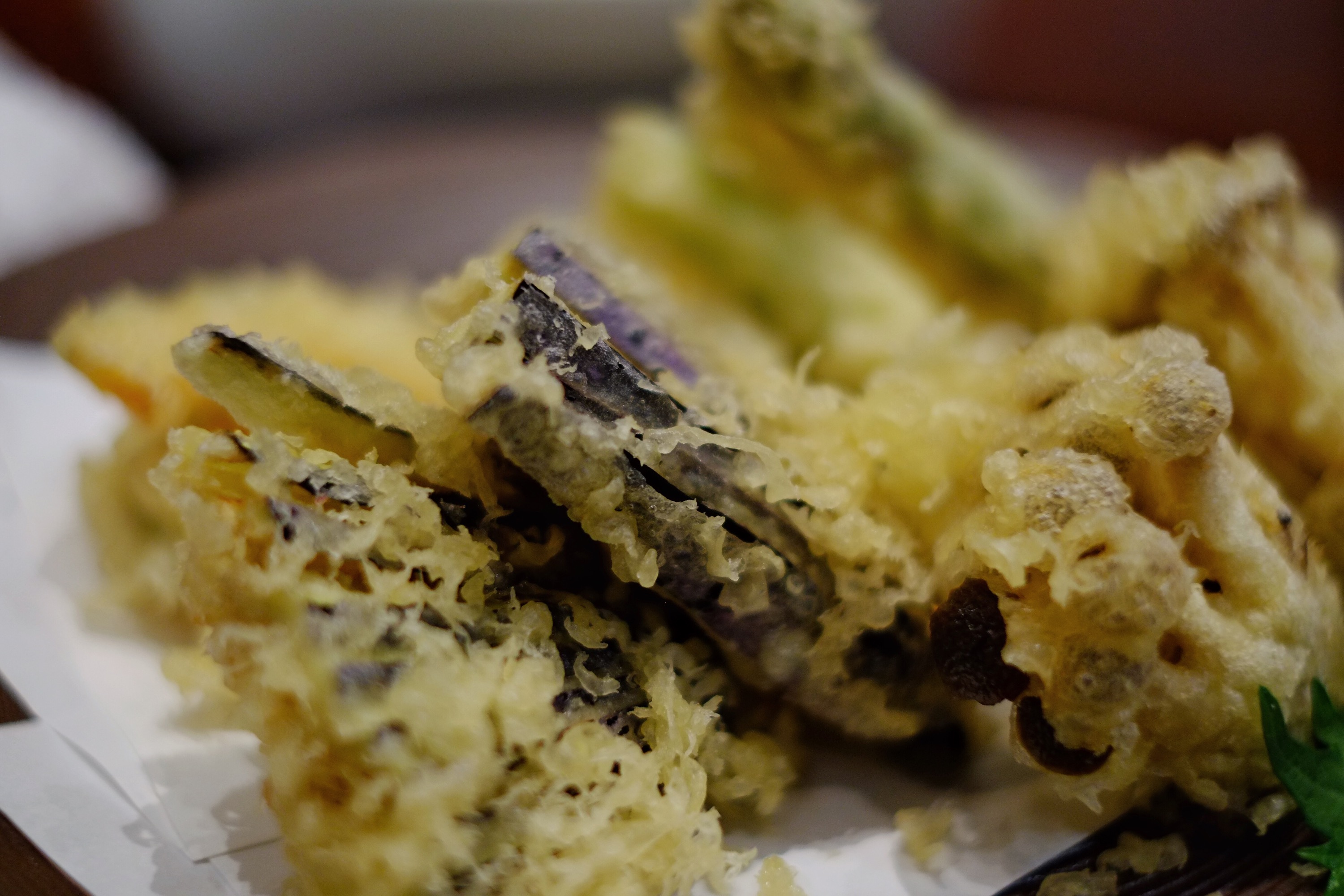
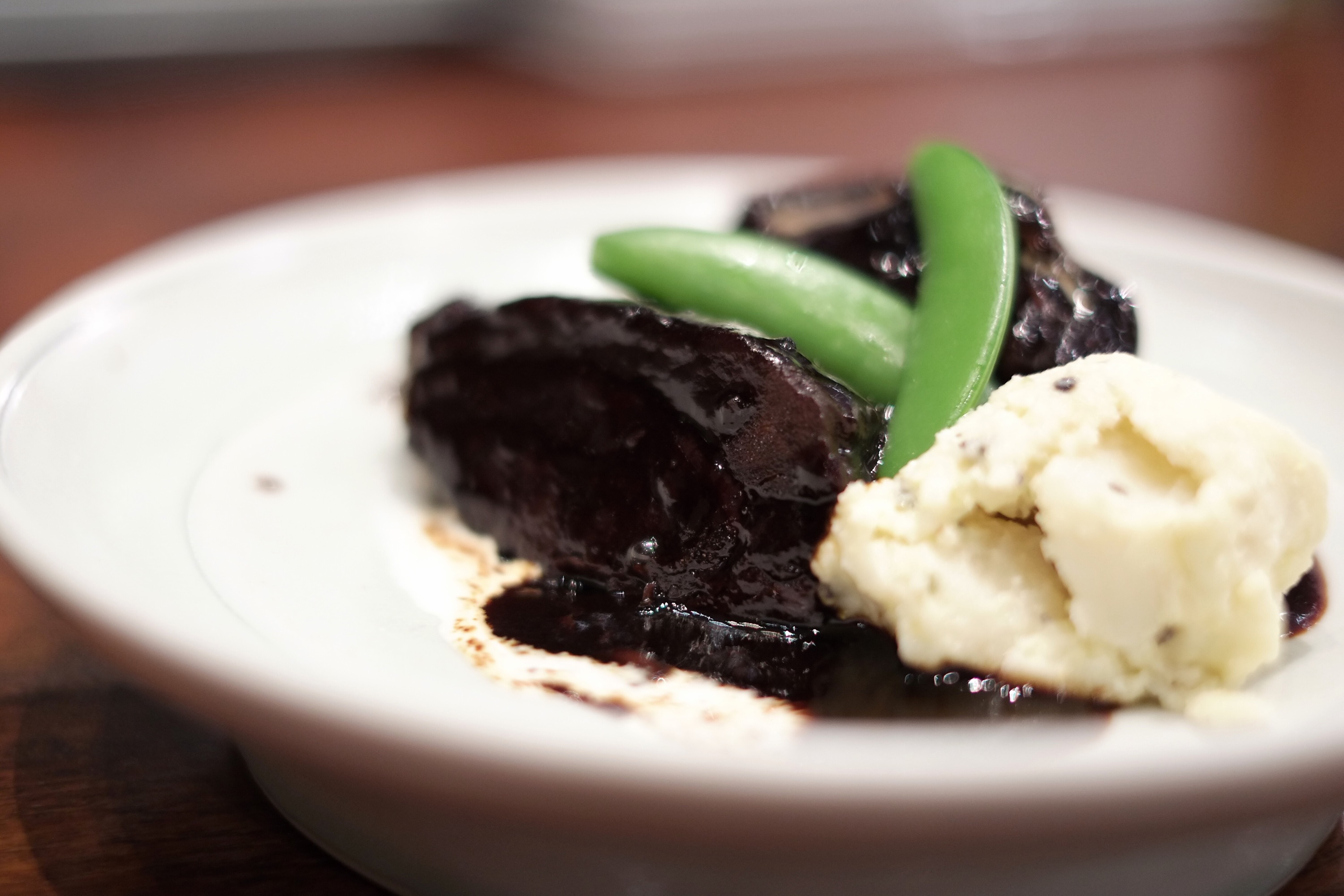
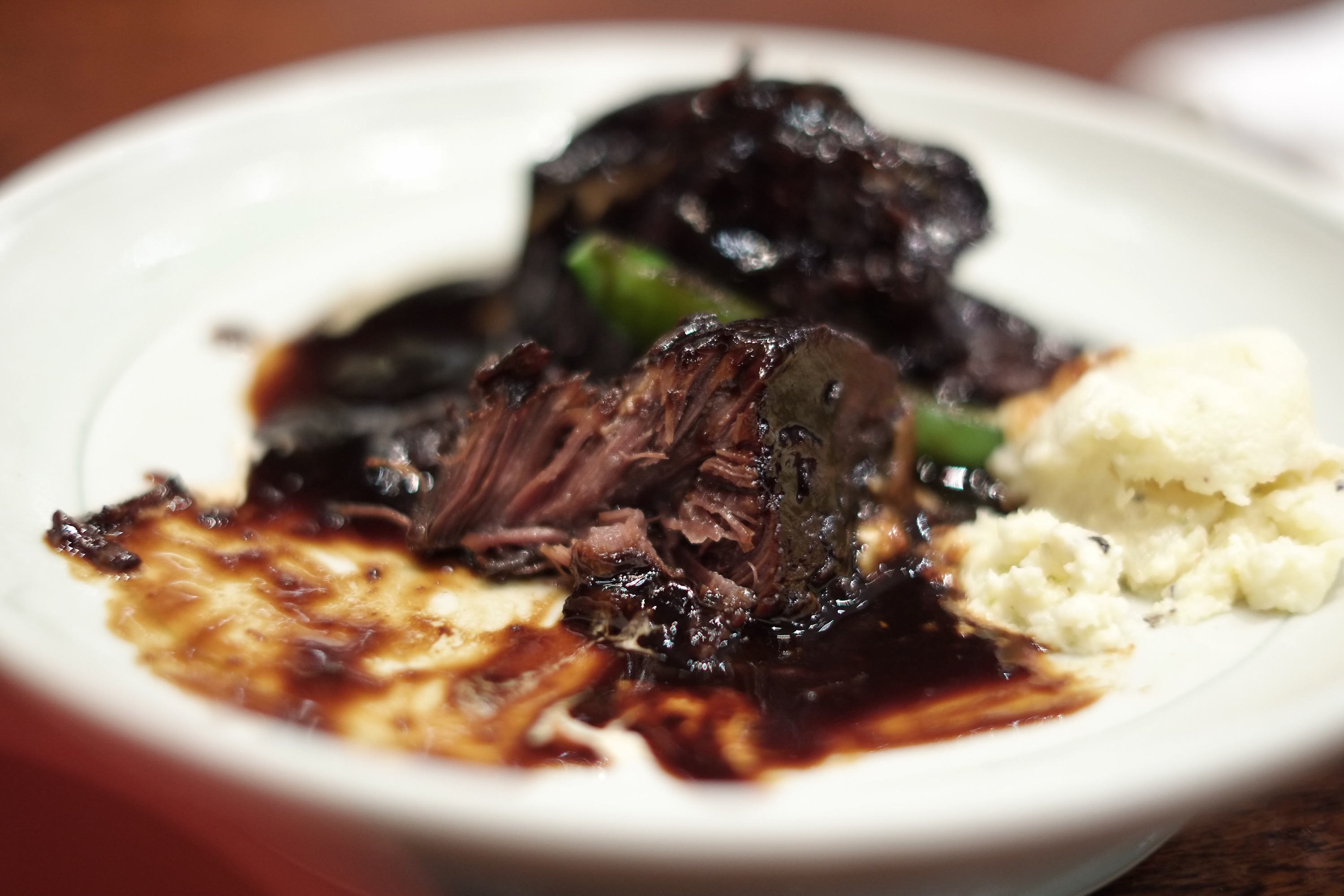
Tonight’s food is superb and the highlights were the shatteringly crispy vegetable tempura and the surprisingly original Wagyu beef cheek in red wine and miso. The “nutty salad” was a great start and the rest of the dining party had the sautéed pork in ginger and soy.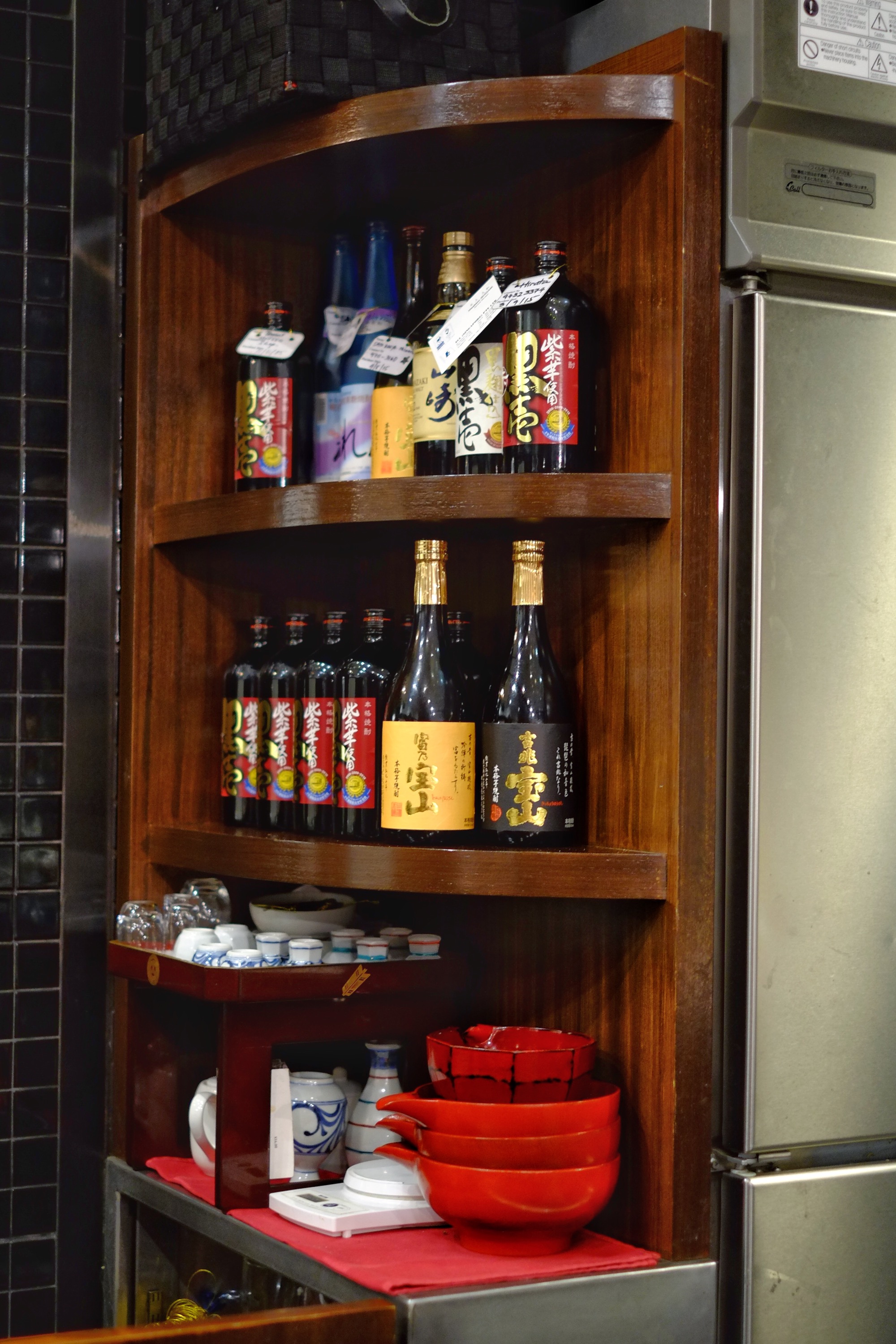


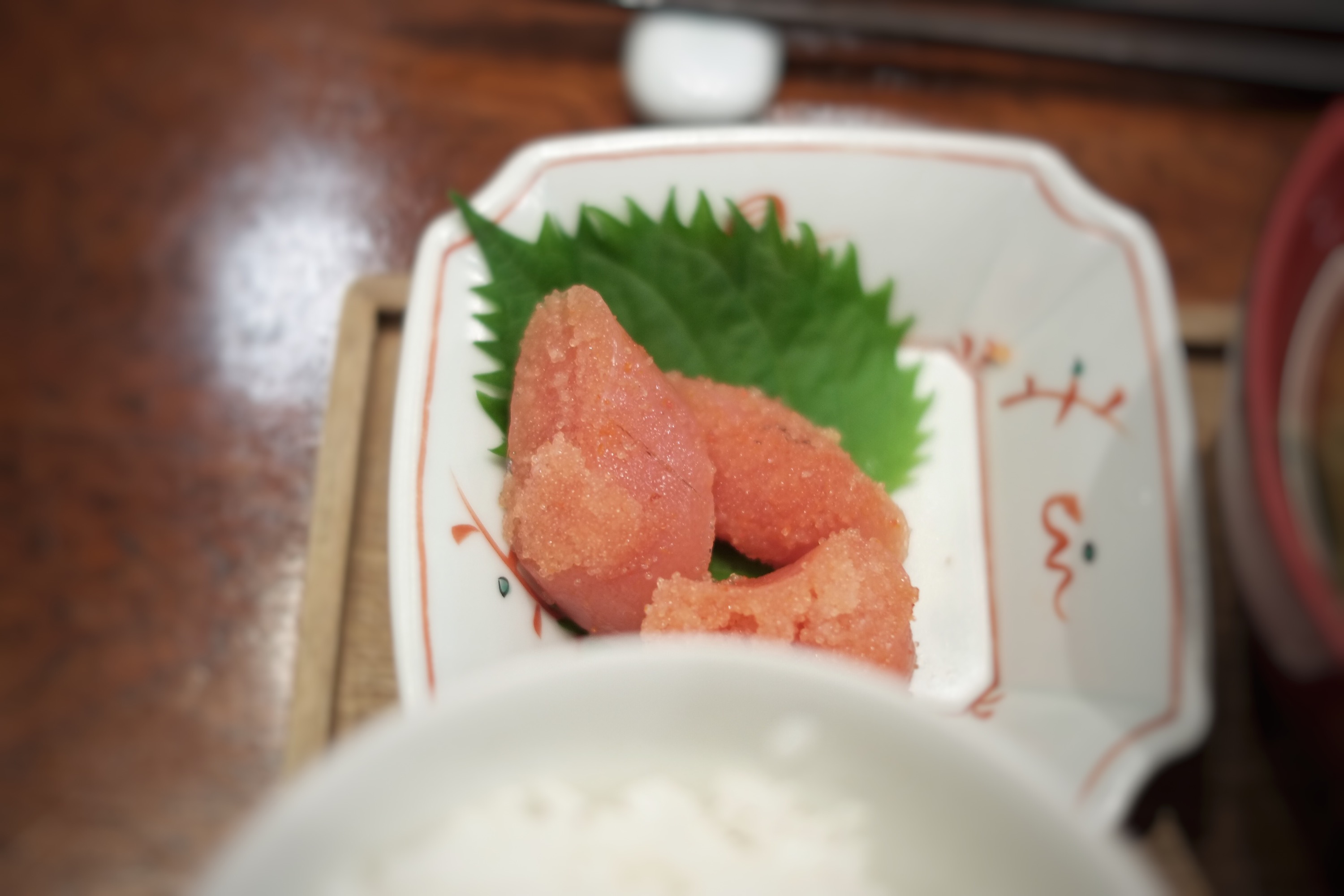


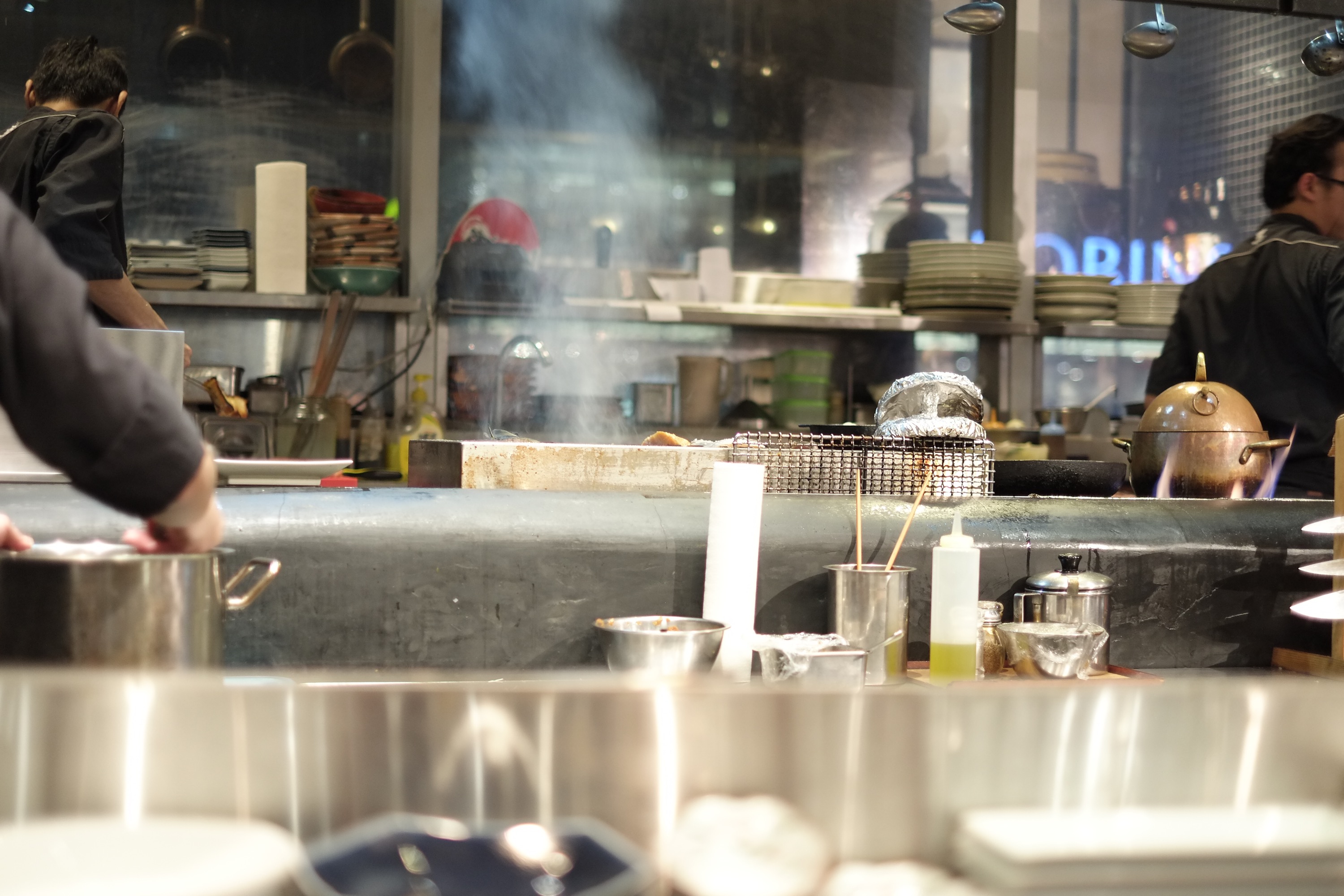
We must end where we began, with that amazing pressure cooked Nagano rice.


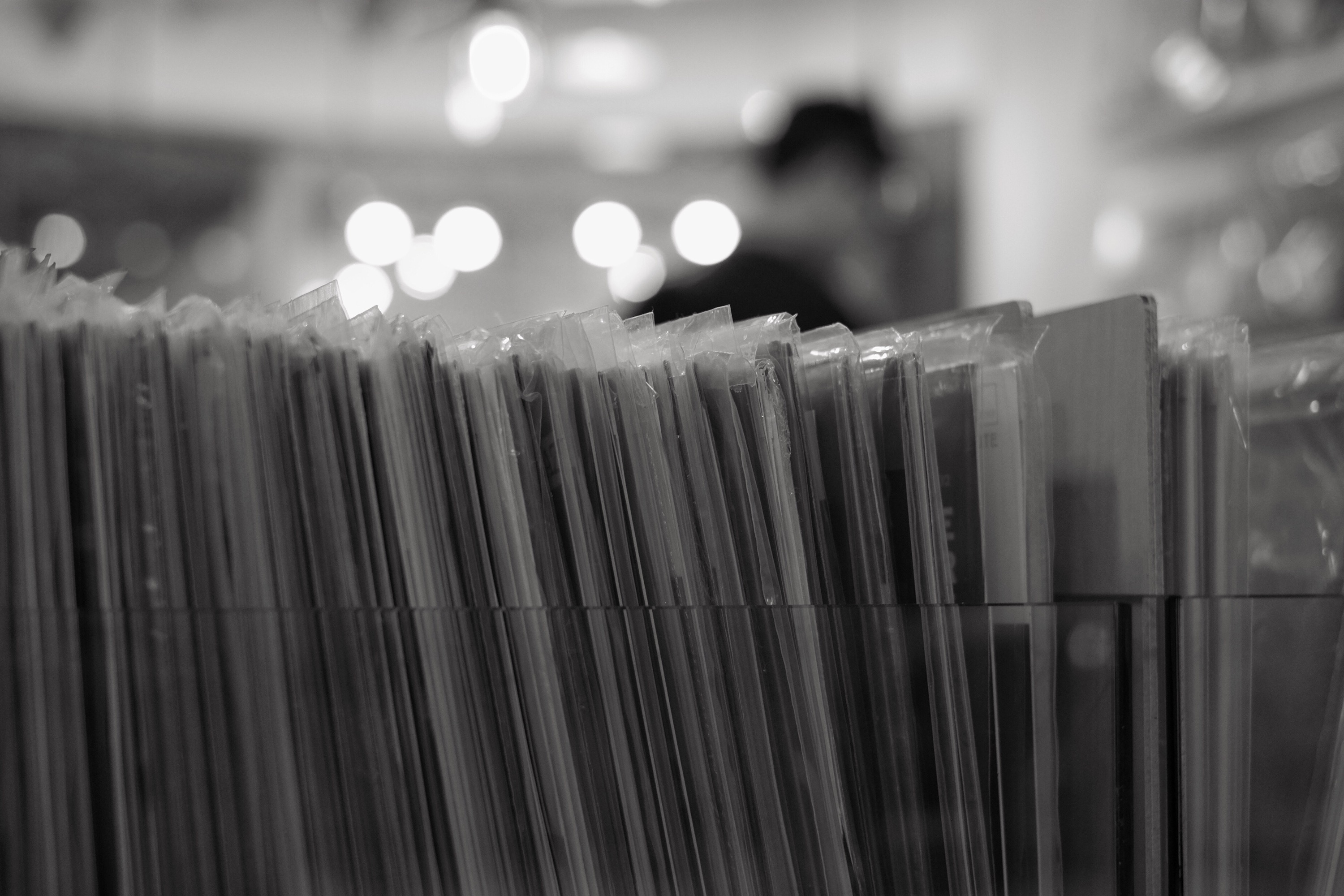
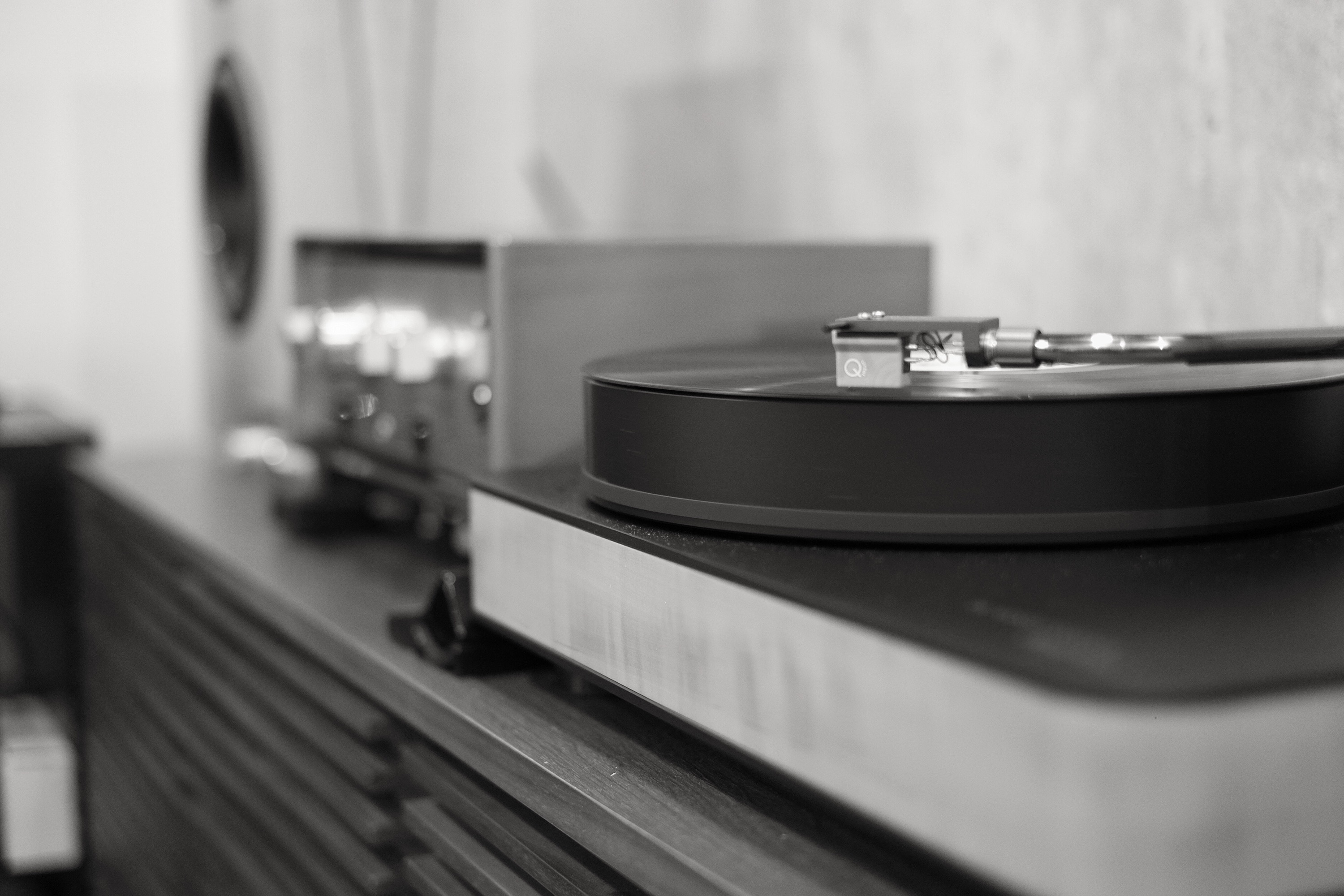
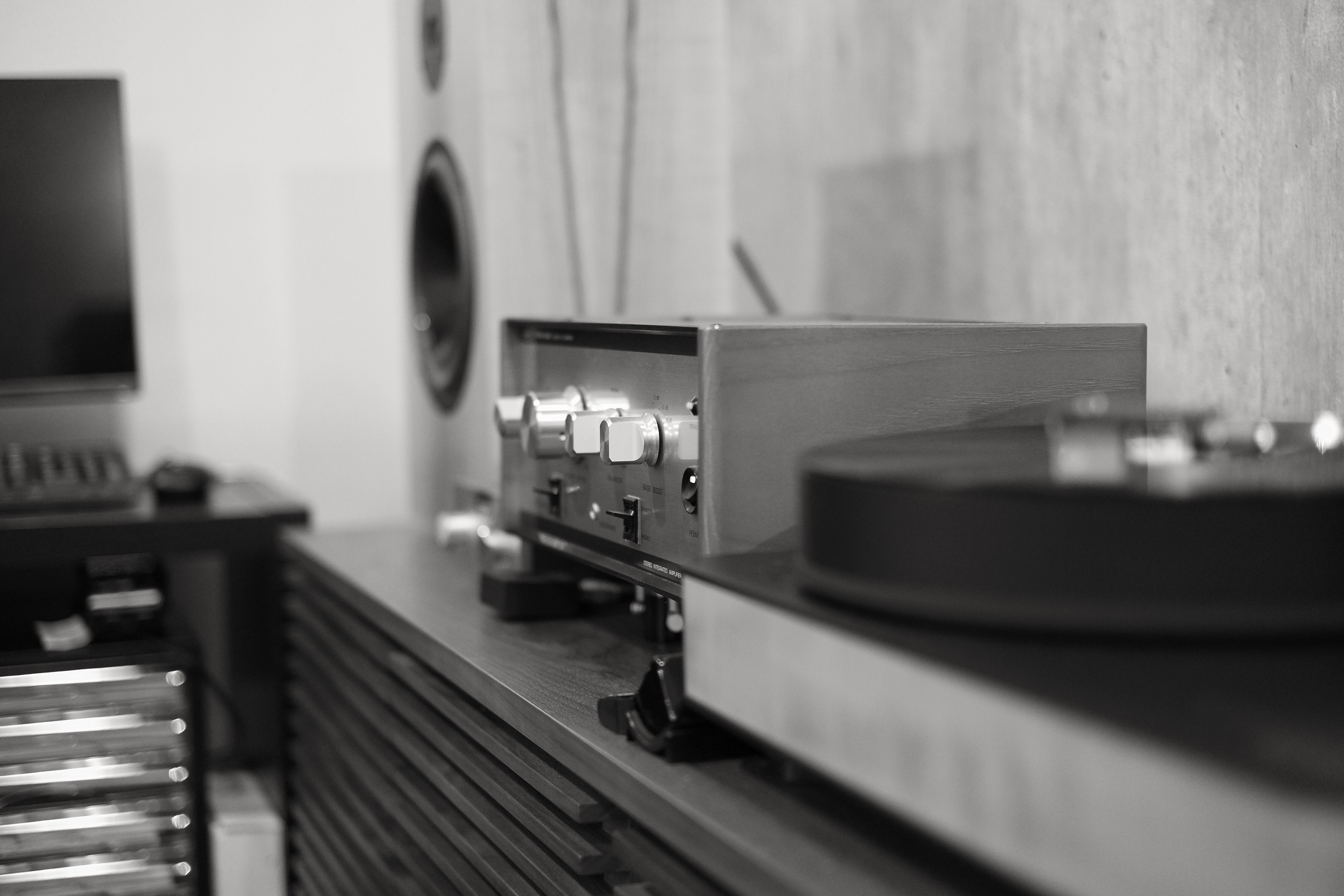
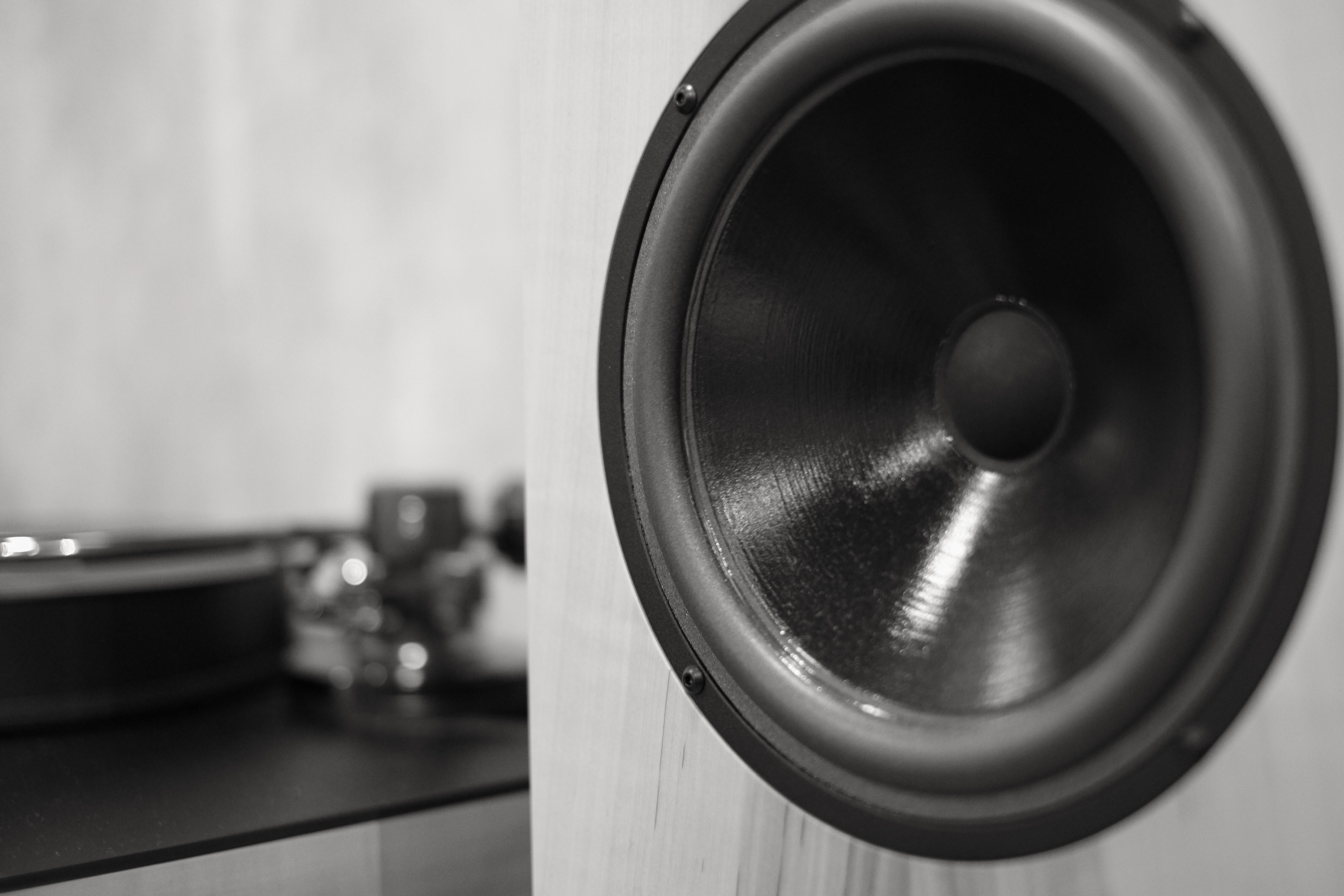
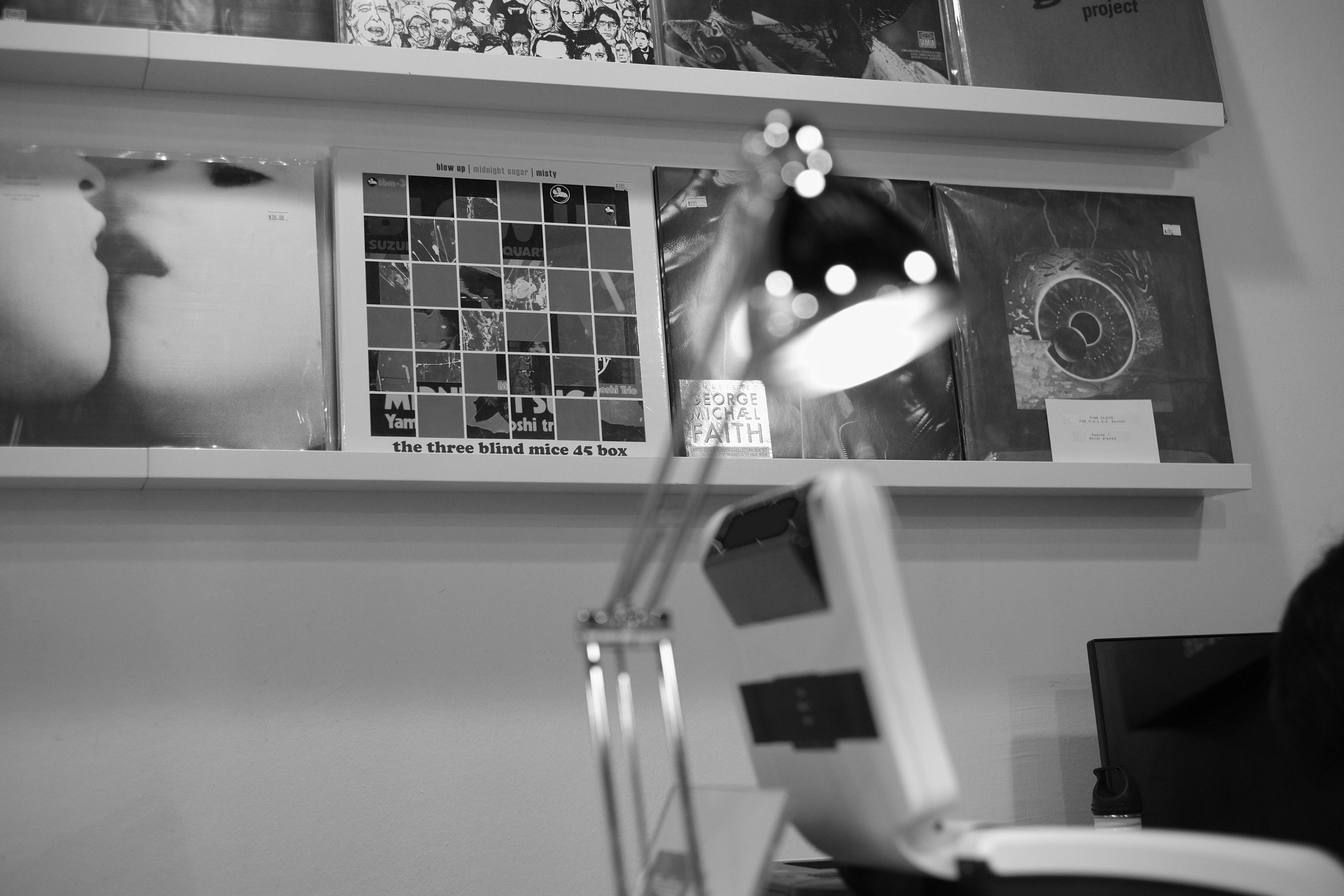
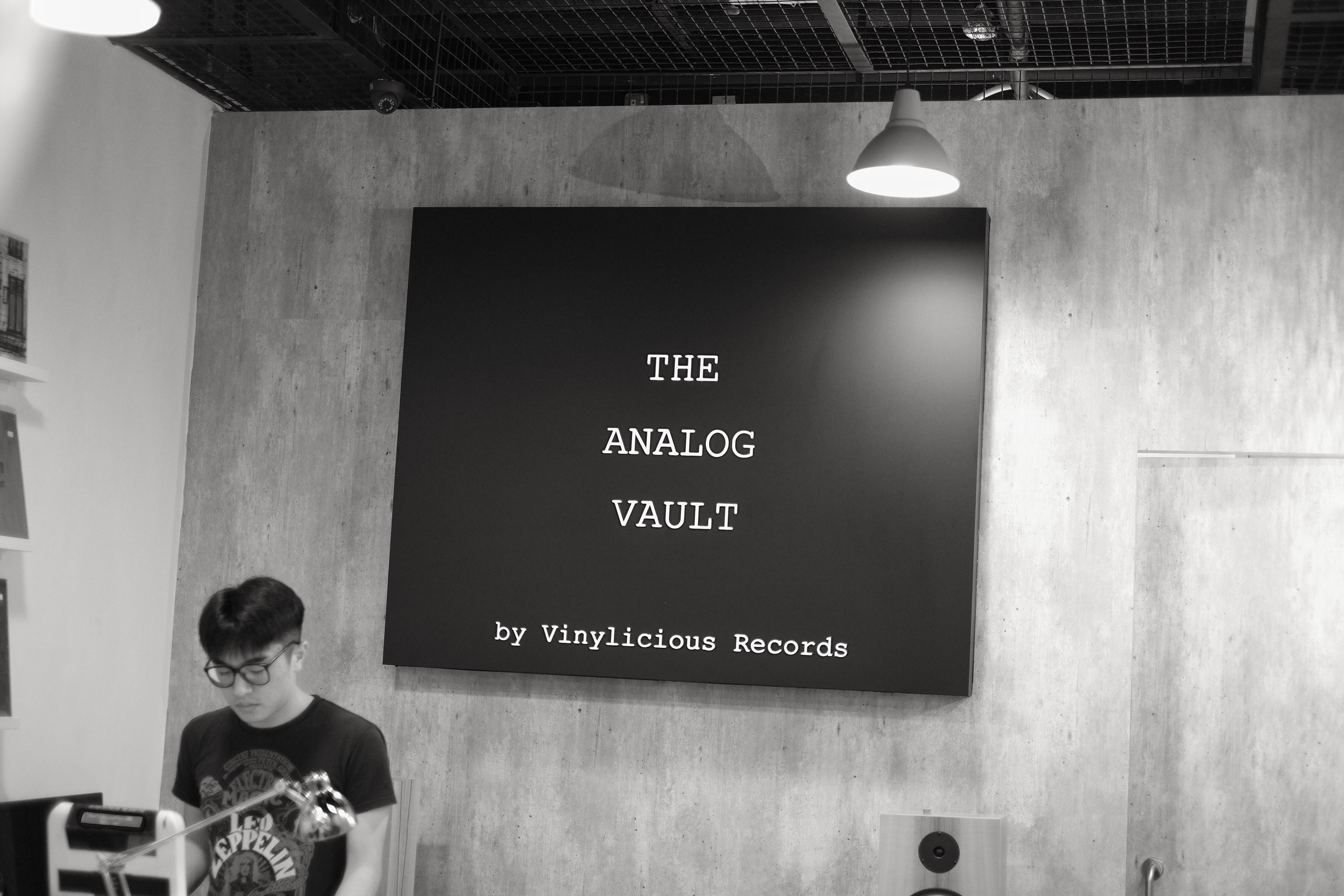
It’s the current state of the world we live in, Franco Jazz hip hop LP spinning on a German ‘table, driven by a cult Japanese amp (with NOS Russian tubes), played through British made- Japanese origin speakers. It’s more than a mouthful but that’s the point, it’s a great time to be..
And the Hibiki 17 just adds a nice touch to the whole experience.


 thebearandhiscigar